



Shift Your Mindset: Ingredient, Not Leftover
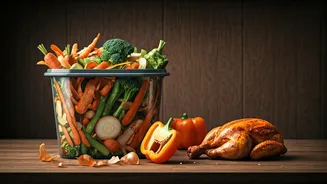
The single biggest difference between a pro and an amateur in the kitchen is mindset. Chefs don’t see leftover roasted vegetables as a finished dish to be reheated; they see them as a flavorful, pre-cooked ingredient ready for a new purpose. This is the first
and most important step. Before you reach for the microwave, ask yourself: 'What can this become?' That half-eaten steak isn't just steak; it's the filling for tacos, the star of a Philly cheesesteak-style sandwich, or the protein for a stir-fry. That leftover rice is the perfect base for fried rice, as its drier texture prevents it from getting mushy. By reframing leftovers as 'Mise en Place Part 2,' you open up a world of creative possibilities and stop thinking of last night's dinner as a culinary dead end.
Master the “Everything” Hash or Frittata
One of the most versatile tools in the leftover-rebuilding arsenal is the humble hash. It’s a simple formula: fat (butter or oil), an aromatic (onion or garlic), diced leftovers, and maybe a binder (egg or a splash of cream). Chop up any leftover roasted potatoes, carrots, broccoli, and brisket from Sunday dinner. Sauté an onion, toss in the chopped leftovers to get them crispy, and finish with a sprinkle of fresh herbs. You’ve just created a five-star brunch. The same principle applies to a frittata or omelet. Almost any cooked vegetable or protein can be folded into eggs for a quick, satisfying meal. It’s a classic restaurant trick for using up prepped ingredients before they go bad, and it works just as beautifully at home.
Build a Better Bowl
The “grain bowl” trend is a gift to the resourceful home cook. It’s a flexible format that turns disparate elements into a cohesive, nutritious meal. The formula is simple: a base, a protein, some vegetables, a sauce, and a crunchy topping. The base could be leftover quinoa, rice, or farro. The protein could be shredded chicken, flaked salmon, or a handful of chickpeas. The vegetables? Anything goes—that lone roasted sweet potato, the last few spears of asparagus, or even raw, thinly sliced radishes. The magic happens when you tie it all together with a vibrant dressing like a lemon-tahini sauce or a simple vinaigrette and top it with something crunchy, like toasted nuts or seeds.
Unleash the Power of Sauce
A fantastic sauce can make almost anything taste new and intentional. A perfectly good piece of leftover grilled chicken can feel boring on its own, but what if you slathered it in a bright, herbaceous chimichurri? Or diced it and tossed it with a creamy peanut sauce for a quick noodle dish? Keep a few 'mother sauces' in your back pocket. A good pesto (which you can make with almost any green, not just basil), a romesco (great for using up stale bread and roasted red peppers), or a simple yogurt-dill sauce can completely transform a meal. This is how you take cooked-once components and give them an entirely new identity for their second act.
The "Stale Bread Is Gold" Rule
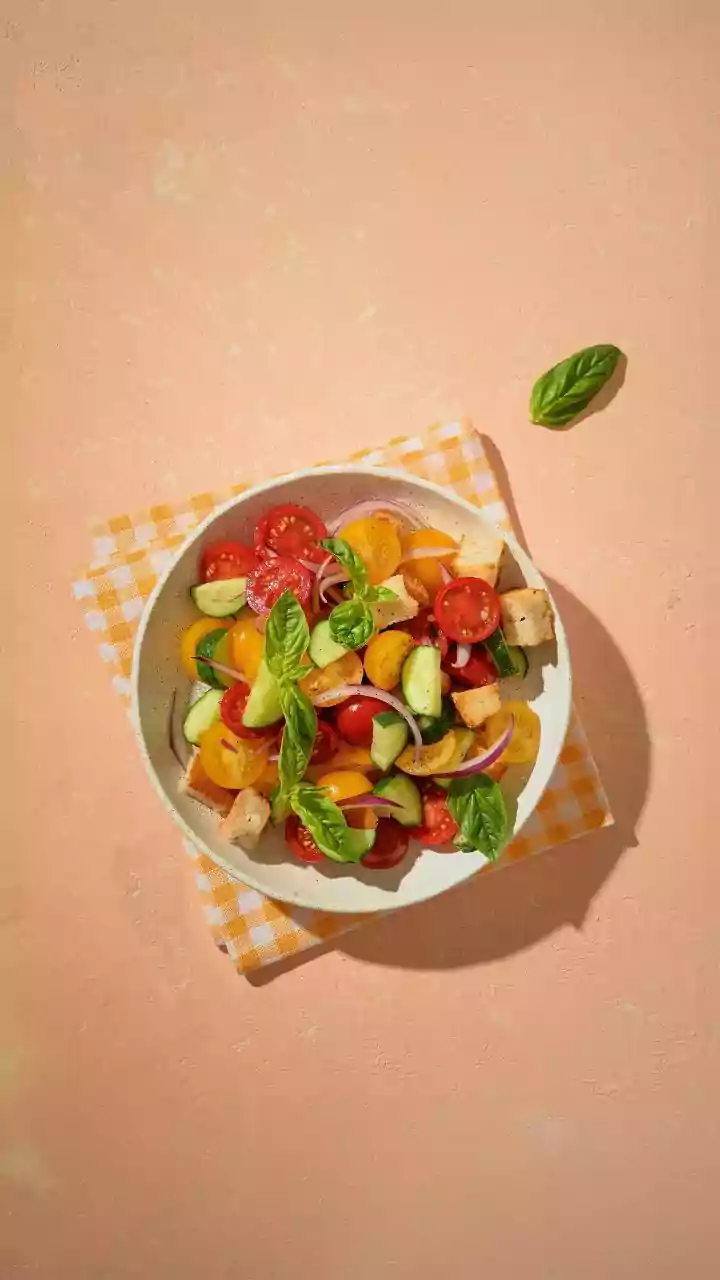
In a professional kitchen, throwing away stale bread is a cardinal sin. It's not trash; it's an ingredient in waiting. Day-old, hardened bread is far superior for making croutons, as it crisps up beautifully without getting oily. Blitz it in a food processor for breadcrumbs to top a casserole or use as a binder for meatballs. Tear it into chunks and toast it for a Panzanella salad with juicy tomatoes and a sharp vinaigrette. Or, use it as the base for a savory bread pudding or a sweet French toast casserole. Once you see stale bread as an asset, you'll never look at a hardening baguette the same way again.