
So, What Is 'Premium Comfort Food'?
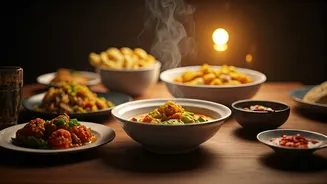
Imagine the food you grew up with, the dishes that feel like a warm hug. Now, imagine a top chef dedicating all their talent to perfecting it. That’s premium comfort food in a nutshell. This isn't about reinventing the wheel; it's about making the best
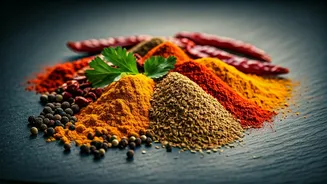
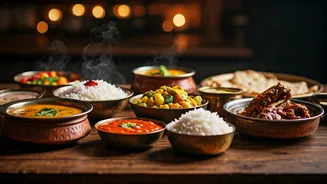
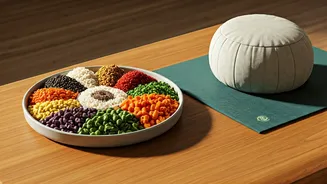
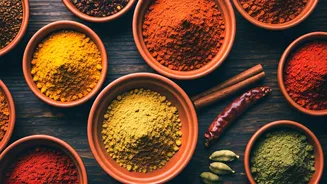
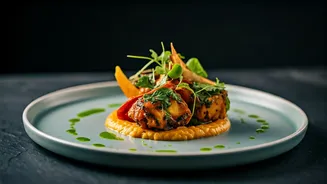
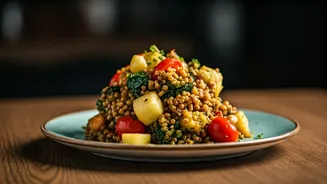
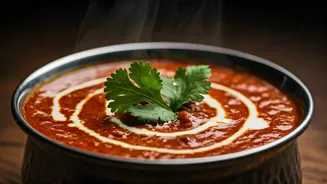
wheel possible. We’re talking about a simple lentil dish like dal, but one that’s been slow-cooked for 24 hours with hand-churned butter. Or khichdi—a humble rice and lentil porridge—reimagined with foraged mushrooms, heirloom grains, and a drizzle of white truffle oil. It’s the biryani from a royal recipe, made with perfectly aged basmati rice and spices sourced from a specific region known for its potency. The 'premium' comes from three things: exceptional ingredients, refined technique, and thoughtful presentation that honors the dish's soul without burying it in gimmickry. It’s food that tastes like a memory, but better than you remember.
A Reaction to Culinary Acrobatics
To understand why this trend is taking hold now, you have to look at what came before. For the better part of a decade, the pinnacle of Indian fine dining was about looking outward. Chefs, many trained in Europe and the U.S., brought back techniques from the global modernist playbook: deconstruction, spherification, and nitrogen-frozen everything. A samosa might become a smear of potato foam with a chutney gel. While initially exciting, a certain fatigue set in among diners. Critics and foodies began questioning if the focus on technique had overshadowed the most important thing: flavor. As one prominent Indian food writer put it, diners grew tired of 'culinary gymnastics' and started craving food that was, simply, delicious and recognizable. The turn towards elevated comfort food is a direct, confident response to that fatigue—a collective decision to prioritize substance over spectacle.
The Powerful Pull of Nostalgia
This movement is about more than just food; it’s about emotion. In a rapidly changing, globalized India, there's a powerful yearning for authenticity and connection to one's roots. The pandemic amplified this feeling tenfold, as lockdowns and uncertainty made people crave the security and warmth of the familiar. Chefs began exploring their own family cookbooks and regional culinary histories, unearthing forgotten recipes and ingredients. Diners, in turn, responded enthusiastically. Eating a perfectly executed version of a dish your grandmother used to make connects you to your personal history and a shared cultural identity. It's a culinary assertion that the flavors of home are not just worthy of a fine-dining restaurant, but can be the very definition of luxury. This isn't just about eating; it’s about remembering and belonging.
Celebrating India, for Indians
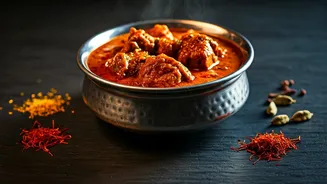
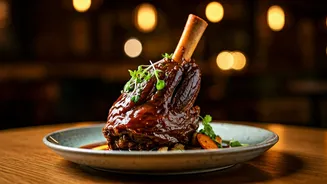
Perhaps the most significant aspect of this trend is what it says about the confidence of the modern Indian food scene. For years, the mark of a 'great' Indian restaurant, especially on the world stage, often involved Westernizing or 'toning down' Indian flavors to suit a perceived international palate. The premium comfort food movement flips that script. It’s unapologetically Indian. The focus is on perfecting dishes like jackfruit haleem, lamb curry, or regional fish preparations, using local, seasonal, and indigenous ingredients. Chefs are celebrating the vast diversity of India's regional cuisines, from the mountains of Kashmir to the coasts of Kerala. It signals a maturation of the market—one where chefs and restaurants no longer feel the need to seek external validation, but are instead creating world-class experiences by looking inward and celebrating their own heritage with pride and skill.