


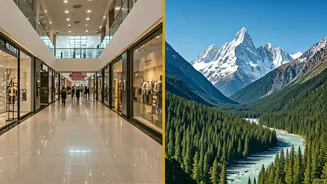

The Classic Hill Station Scene
For decades, the concept of a 'hill trip' in India has been synonymous with a handful of famous destinations. Places like Shimla and Manali, once quaint summer retreats for British colonials, have ballooned into bustling, year-round tourist towns. Their
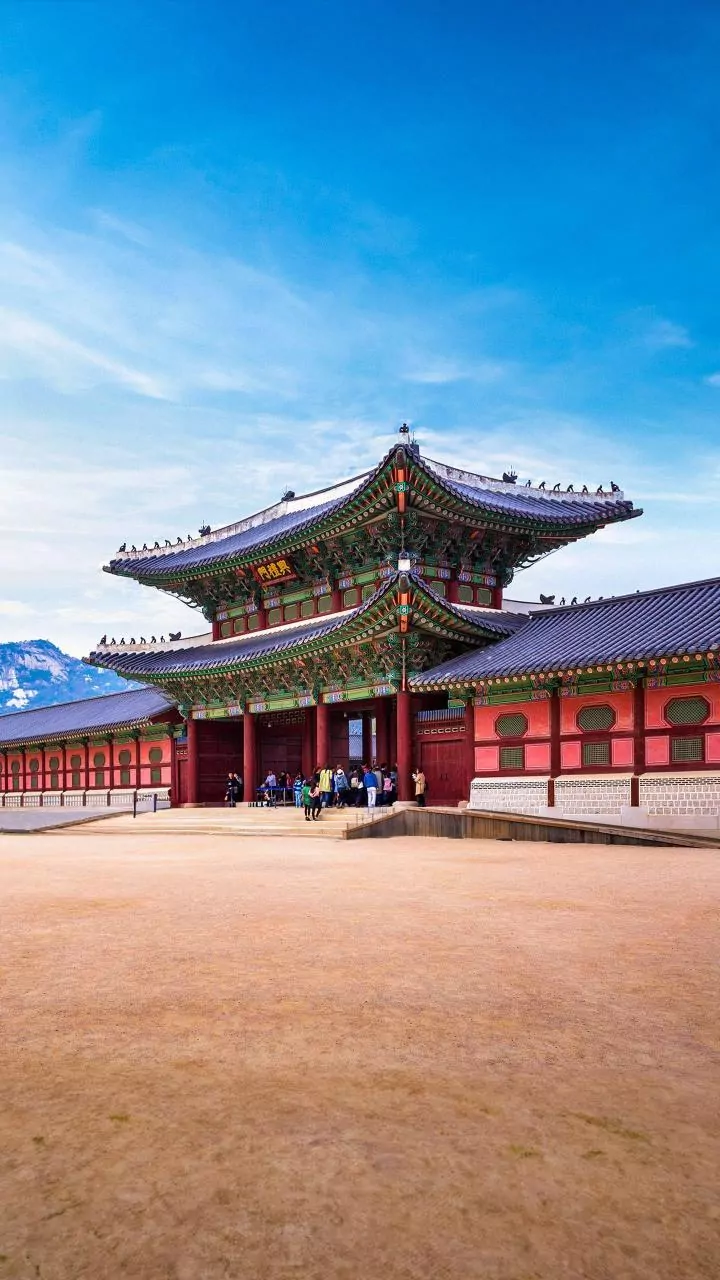
'Mall Roads'—pedestrian-only thoroughfares from the colonial era—are now lined with brand-name storefronts, bustling restaurants, and souvenir shops selling identical trinkets. While they offer majestic views and a cool respite from the plains, the experience can feel packaged. The soundtrack is often a blend of traffic horns, pop music, and the chatter of dense crowds, a mountain experience filtered through a thick layer of commerce.
A Different Path into the Himalayas
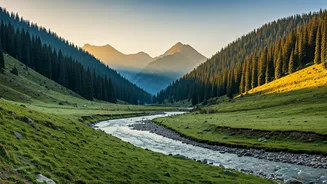
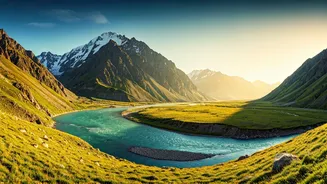
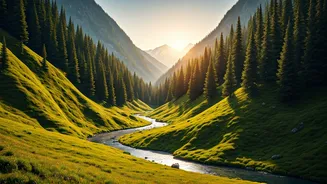
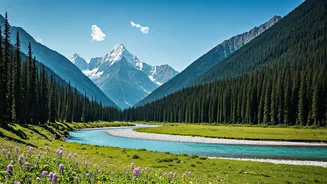
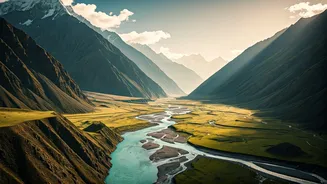
Tirthan Valley, nestled in Himachal Pradesh, is the quiet rebuttal to that scene. Tucked away on the edge of the Great Himalayan National Park—a UNESCO World Heritage Site—the valley has deliberately sidestepped the path of mass tourism. There are no grand hotels, no sprawling market streets, and no airport. Getting here requires a commitment: a scenic but winding drive that acts as a natural filter, shedding the casual tourists and rewarding those seeking something more profound. The valley is defined not by what has been built up, but by what has been preserved. It’s a protected eco-zone, where the rhythms of local life and the natural world remain paramount.
The Sound of the Wild
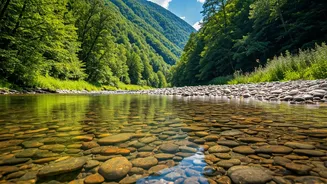
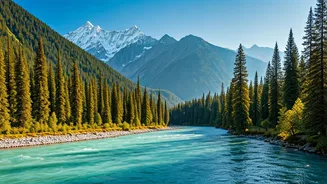
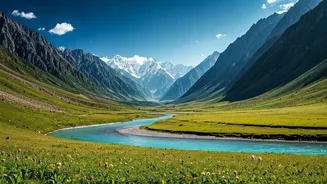
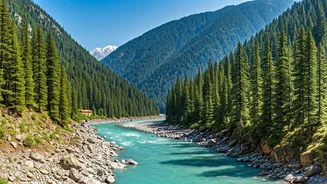
The 'wilder mood' of Tirthan is first and foremost an auditory experience. The constant, ambient roar of the Tirthan River, a pristine, turquoise artery fed by glacial melt, replaces the sound of traffic. The air, crisp and pine-scented, carries the song of hundreds of bird species. Here, silence isn't an absence of sound but the presence of natural ones. This tranquility is by design. The valley promotes a brand of eco-tourism that prioritizes conservation. Visitors are encouraged to minimize their impact, and the local community is deeply invested in protecting the environment that sustains them. It’s a place where you can feel the vastness of the Himalayas without the distracting human static.
Homestays Over Hotels
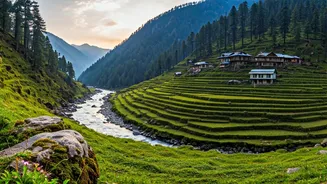
Perhaps the most defining feature of a trip to Tirthan is where you stay. The valley’s accommodation is dominated by homestays—charming, family-run guesthouses built in the traditional Kath-Kuni style of stacked stone and interlocking cedarwood beams. Instead of an anonymous hotel lobby, you’re welcomed into a local home. You eat meals prepared in a family kitchen, often with vegetables grown in their garden, and share stories with your hosts. This isn't a five-star luxury experience; it's something more valuable. It’s an intimate, authentic connection to place and culture, turning a simple vacation into a meaningful cultural exchange.
Trails, Trout, and Tradition
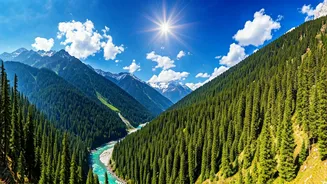
In Tirthan, the attractions are woven into the landscape itself. The main activities are trekking, exploring, and simply being. Countless trails lead from the valley floor to hidden waterfalls, serene meadows, and ancient villages where life seems to move at a slower pace. The river is famous for its trout, and angling is a popular, meditative pastime. You can trek to the gates of the Great Himalayan National Park or visit traditional tower temples that have stood for centuries. The goal isn’t to check off a list of sights, but to immerse yourself in the environment—to follow a trail without a destination, to watch the clouds drift over the peaks, and to find adventure in the quiet moments.