




More Than Just Cream and Ghee
For years, the version of Indian food most familiar to Americans has been a rich, restaurant-style cuisine, often heavy on cream, butter, and oil. Dishes like butter chicken and creamy saag paneer became staples, cementing the idea that Indian food is a delicious
but decadent indulgence. But this represents only a fraction of a vast and varied culinary landscape. In reality, everyday Indian home cooking has always been lighter, centered on vegetables, lentils, and whole grains. The current “moment” isn't about inventing a new cuisine from scratch; it's about bringing the principles of home cooking to the forefront and applying modern wellness sensibilities to beloved classics.
Who Is Driving This Shift?
This movement is largely powered by second-generation Indian Americans and innovative chefs who grew up with the flavors of their heritage but are also deeply ingrained in contemporary American food culture. They're asking a simple question: How can we enjoy the food we love in a way that fits a modern, health-conscious lifestyle? Cookbook authors like Priya Krishna with "Indian-ish" and a wave of influencers on platforms like TikTok and Instagram are leading the charge. They’re not just sharing recipes; they're starting a conversation about cultural identity, adaptation, and what it means to eat well. These creators are demystifying techniques, offering smart swaps, and presenting Indian food not as an occasional treat, but as a vibrant, everyday option.
The Delicious Details: What's Changing?
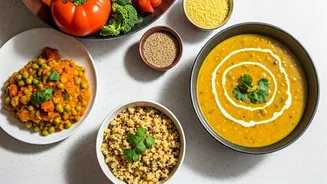
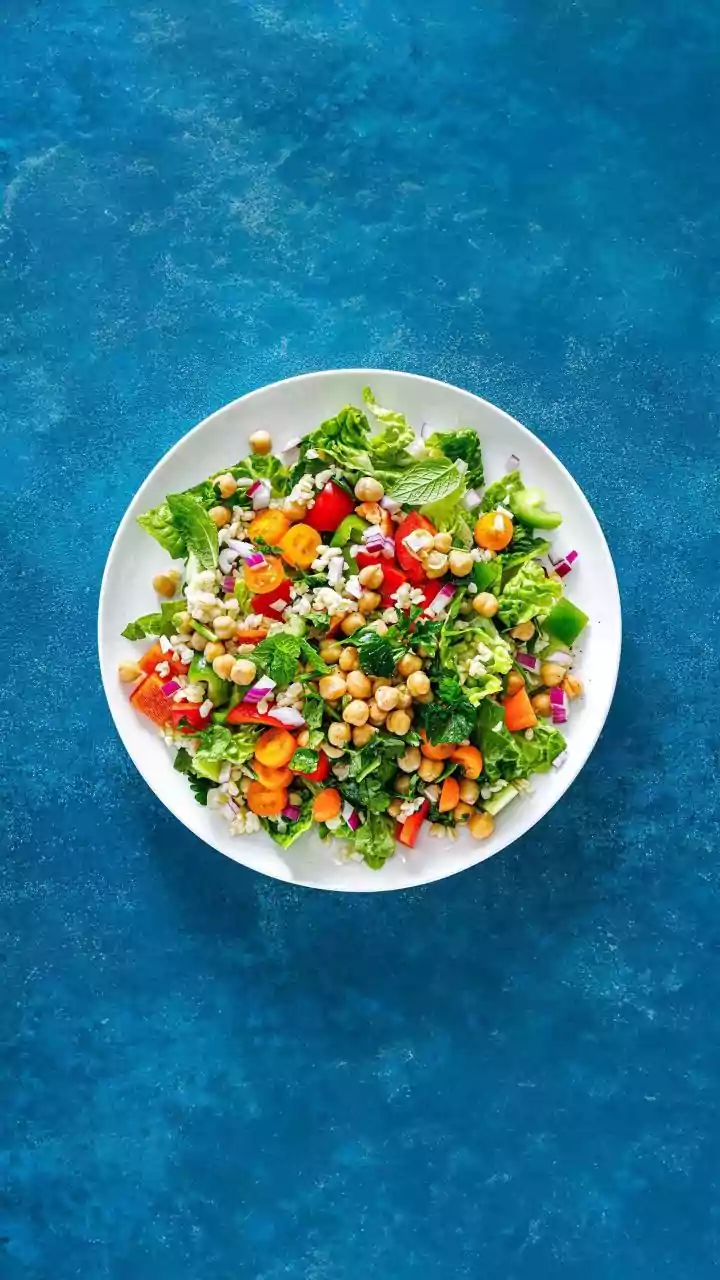
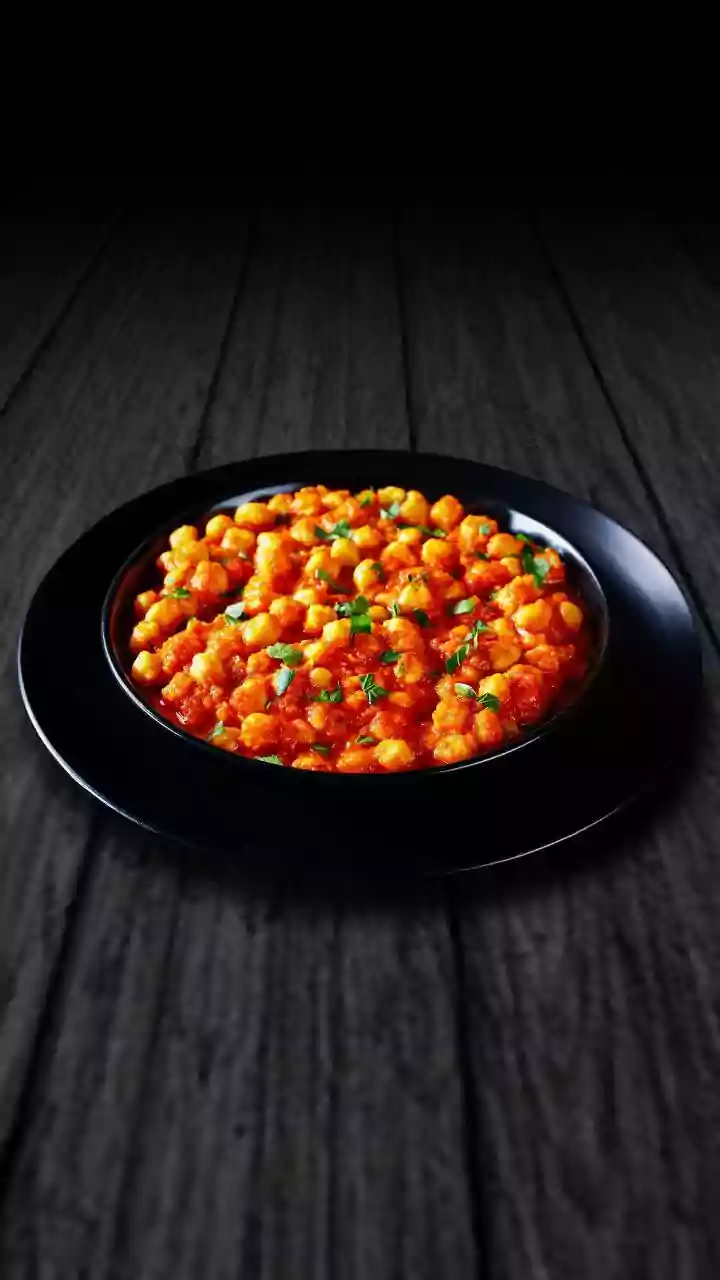
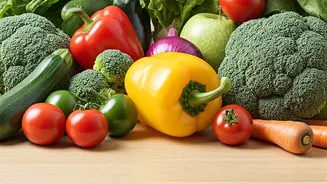
So what does “healthier” Indian food actually look like? It's less about deprivation and more about thoughtful substitution. That fried samosa might now be baked or air-fried, its pastry made with whole wheat flour. The saag paneer that once relied on a cup of heavy cream might now get its silky texture from blended cashews, Greek yogurt, or even silken tofu. Butter chicken is being reinvented with yogurt-based marinades that tenderize the meat without excessive fat. There’s a renewed focus on ancient grains like millet and quinoa as alternatives to white rice. Vegetables are taking center stage, not just as a side dish but as the star of hearty, flavorful curries. It’s a subtle but significant evolution, updating tradition without erasing it.
Flavor Is Still the Foundation
The secret weapon that ensures none of the soul is lost in this transformation is spices. The genius of Indian cooking has always been its mastery of spice blends—the art of toasting, blooming, and layering flavors to create incredible depth and complexity. A pinch of asafoetida, a teaspoon of turmeric, a handful of mustard seeds popped in hot oil—these are the elements that build flavor without adding calories. By leaning into this foundation, chefs and home cooks can reduce oil, cream, and sugar while actually amplifying the taste. The result is food that feels both nourishing and deeply satisfying, proving that healthy eating doesn't have to be bland.