
The Rise of the 'Grey-naissance'
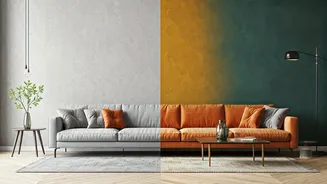
For over a decade, grey was more than a color; it was an ethos. It was the unofficial uniform of the HGTV-fueled flip-or-flop culture. Painting a room—or an entire house—in a shade of grey was considered the safest, most sophisticated choice you could
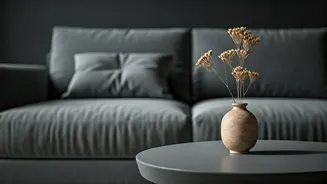
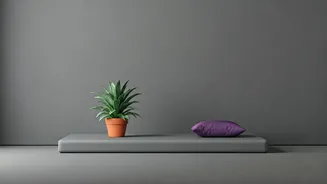
make. It was modern, clean, and promised broad appeal, making it the go-to for homeowners and house flippers alike. This wasn't the moody, industrial charcoal of a city loft, but a softer, more palatable version. Paired with white trim and dark floors, it created a high-contrast, photo-ready look that screamed 'put-together adult.' It was the visual equivalent of a sensible sedan: reliable, uncontroversial, and a guaranteed way to increase resale value. In a post-recession world, grey felt like a safe bet in a sea of uncertainty.
When 'Calm' Became 'Cold'
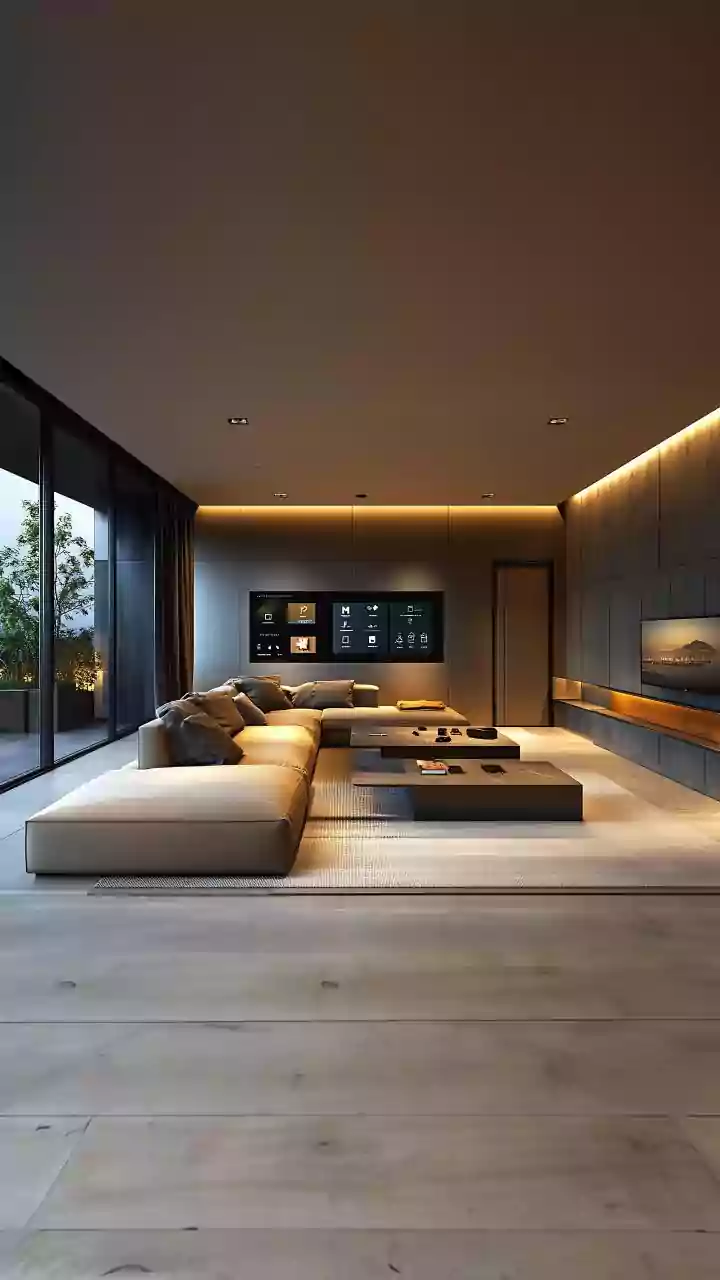
Then, we all got stuck at home. The Great Indoors of 2020 changed our relationship with our living spaces forever. Suddenly, the serene, minimalist backdrop that felt calming when we only saw it for a few hours a day began to feel sterile, impersonal, and even a little depressing. The sleek, empty surfaces and monochromatic palette lacked the warmth and personality we craved during a period of isolation. The 'hotel lobby' aesthetic, once an aspirational goal, started to feel like a reminder of a world we couldn't access. We weren't just living in our homes; we were *living* in them, and we realized they needed to feel more like a hug and less like a showroom.
Enter 'Dopamine Decor'
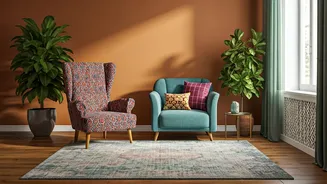
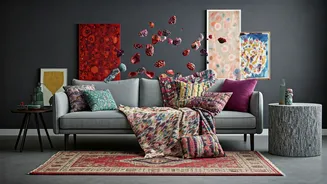
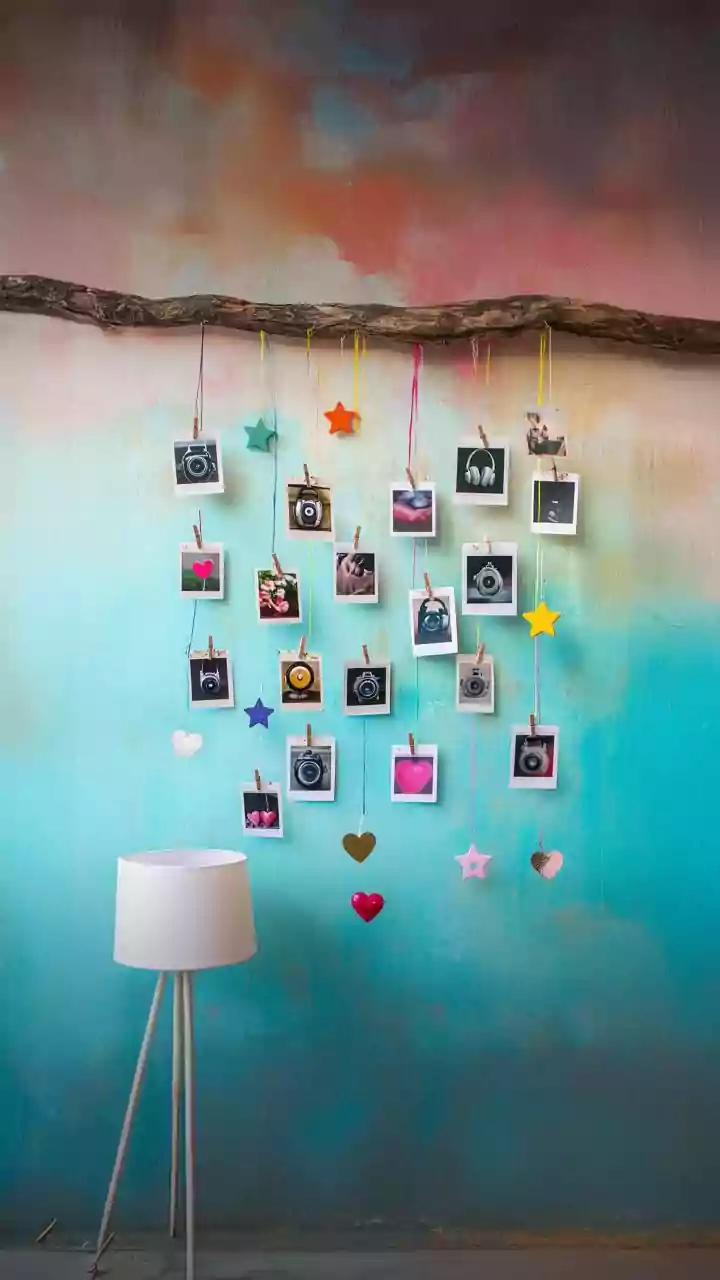
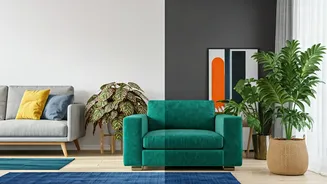
The backlash began quietly, then all at once. On platforms like TikTok and Instagram, a new generation is playfully mocking the 'millennial grey' aesthetic. They see it as the color of conformity, a bland choice from an era that prized algorithm-friendly minimalism over genuine self-expression. In its place, a joyful rebellion is taking root: 'dopamine decor.' This trend champions vibrant colors, clashing patterns, quirky furniture, and spaces that are unapologetically personal and packed with joy-sparking items. It's less about creating a perfect, sellable space and more about curating a personal sanctuary that actually feels like you. The goal isn't to impress guests, but to make yourself happy—a radical concept in the world of market-driven design.
Meet the New Guard of Neutrals
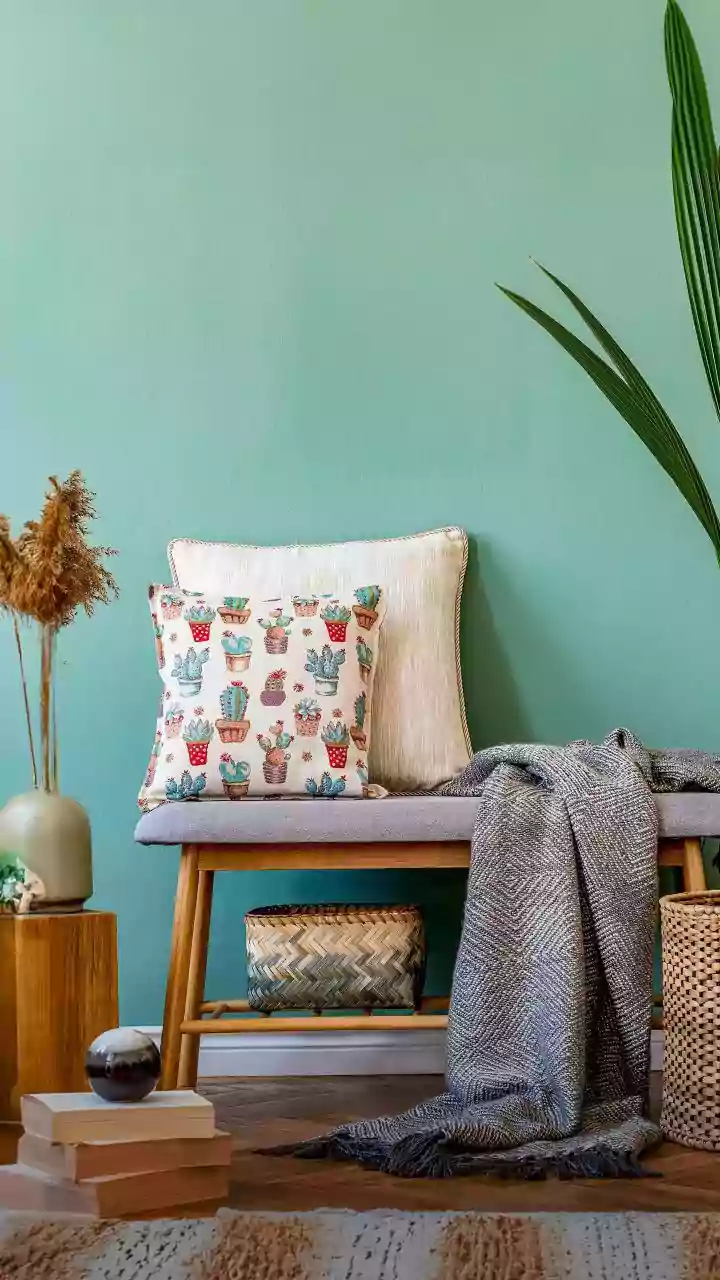
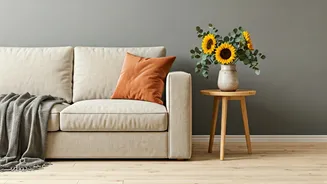
This doesn’t mean we’re all destined for neon-green living rooms (unless that’s your thing). The retreat from grey has also paved the way for a return to warmer, more complex neutrals. The 'greige' of the 2010s is being replaced by beiges that are richer and earthier. Think creamy whites, warm taupes, camel, and especially shades of brown—from mushroom to deep chocolate. These colors provide a sophisticated, grounding base that feels cozier and more organic than cool-toned grey. They pair beautifully with natural materials like wood, rattan, and linen, creating spaces that feel layered, textured, and timeless. It’s a move toward what designers are calling 'warm modernism,' proving you don't have to sacrifice style for comfort.
So, Is Your Grey House 'Cheugy'?
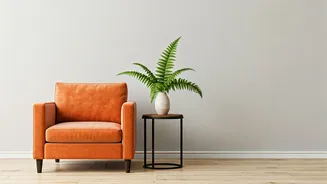
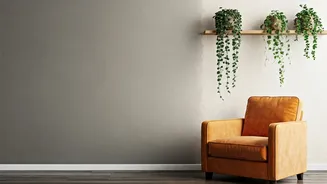
Before you panic-buy gallons of beige paint, take a breath. If you love your grey walls, keep them. Good design is ultimately about what makes you feel good in your own space. A well-designed grey room is still chic. However, if you've been feeling like your space is a little lackluster, you don't need a complete overhaul. The easiest way to fight the grey fatigue is to introduce warmth and texture. Add throw pillows and blankets in rich colors like mustard, terracotta, or olive green. Bring in wood accents through picture frames, side tables, or bowls. Swap out cool, brushed nickel hardware for warmer brass or bronze. A textured rug, a few plants, and personal art can completely transform a space from cold and generic to warm and inviting.