


More Than Just Samosas
For many Americans, the universe of Indian snacks begins and ends with the samosa. But in India, the culture of snacking—often referred to broadly as 'namkeen' (savory snacks)—is a vast and deeply ingrained part of daily life. It’s the bowl of spicy mixed
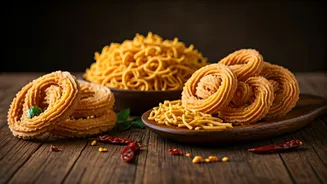
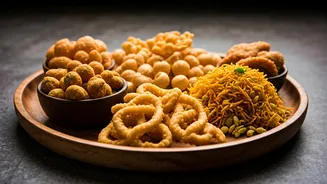
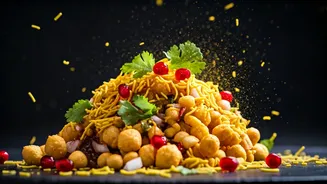
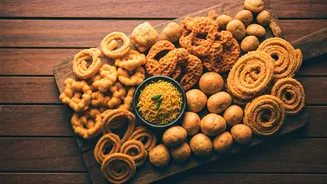
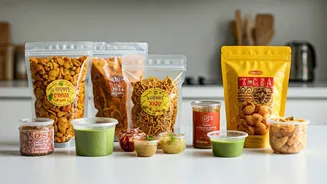
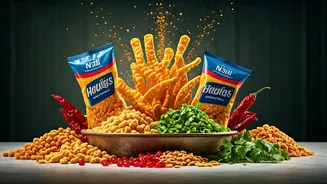
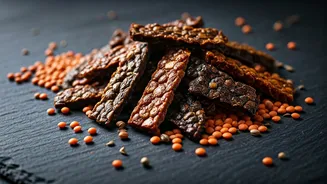
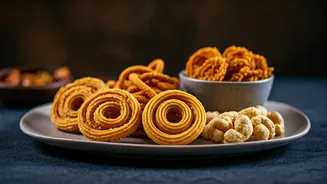
nuts and lentils ('chivda') served with afternoon chai, the spiraled, crunchy 'chakli' or 'murukku' that appears during festivals, and the crispy chickpea-flour noodles ('sev') sprinkled over countless street-food dishes. These aren't just appetizers; they are complex, regionally diverse foods woven into the social fabric. For decades, accessing these authentic snacks in the U.S. meant a trip to a dedicated Indian grocery store, where bags were often imported and aimed squarely at the diaspora. The packaging was functional, the branding was traditional, and the flavors were uncompromisingly authentic. But they remained largely invisible to the average American shopper navigating the aisles of their local supermarket.
The Millennial-Driven Renaissance
So what changed? The answer lies in a generational shift. A wave of second-generation Indian American entrepreneurs, who grew up navigating two cultures, are now driving this comeback. For many, these snacks are a taste of childhood—of a grandmother’s kitchen or a family celebration. But they also recognized a disconnect. The snacks they loved weren't being presented in a way that could compete in the modern, hyper-competitive American snack market. Armed with MBAs, design sensibilities, and a deep-seated desire to celebrate their heritage, these founders are bridging the gap. They are launching companies that take traditional family recipes and give them a 21st-century makeover. The goal isn't to dilute the flavors but to re-contextualize them for a broader audience. It’s a powerful act of cultural reclamation, transforming what was once a niche product into a proud, mainstream offering.
New Look, Classic Crunch
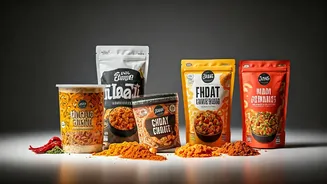
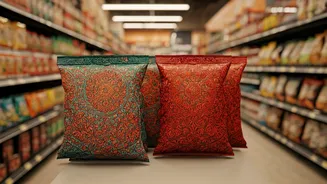
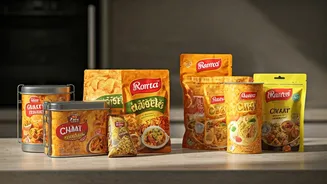
Walk through a well-stocked grocery store today, and you’ll see the results of this movement. The new brands stand out with sleek, minimalist packaging, witty names, and compelling stories. They’re also tapping into contemporary wellness trends. While traditional versions are often deep-fried, many of these new-wave snacks are baked, air-fried, or made with alternative flours like lentil or cassava, appealing to gluten-free and health-conscious consumers. The ingredient lists are often shorter and cleaner, replacing preservatives with recognizable spices like turmeric, cumin, and asafoetida. The flavors, however, remain bold and authentic. You can find cassava chips seasoned with tamarind and chili, puffed water lily seeds dusted with Himalayan pink salt, and modern takes on chivda that proudly announce their vegan and non-GMO credentials. It’s the best of both worlds: the soul of a traditional Indian snack in a package that looks right at home next to gourmet popcorn and artisanal pretzels.
A Palate Ready for Adventure
This comeback couldn't have happened in a vacuum. It coincides with a significant evolution in the American palate. Consumers, particularly younger ones, are more adventurous than ever, actively seeking out global flavors and complex spice profiles. The era of bland, one-note snacks is fading. The popularity of Korean gochujang, Mexican Tajín, and Middle Eastern za'atar has primed the market for the savory, tangy, and spicy notes that define Indian namkeen. This trend is less about 'discovering' something new and more about the American food landscape finally catching up to the rich diversity that has been here all along. The Indian snack renaissance is a testament to the power of food as a cultural ambassador, proving that a simple, crunchy bite can tell a complex story of heritage, identity, and entrepreneurial spirit.