

The Landscape Bursts into Life
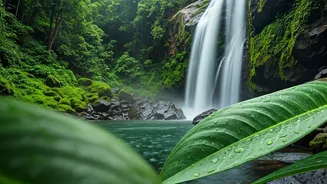
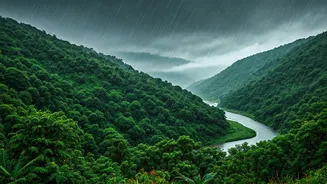
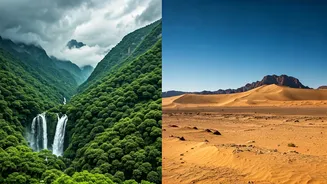
For much of the year, the landscape surrounding Udaipur is a sun-baked tableau of ochre and brown. But with the arrival of the monsoon (typically July through September), a breathtaking transformation occurs. The arid Aravalli Hills that cradle the city
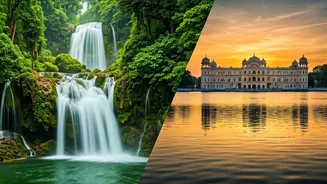
shed their dusty cloak and erupt in a vibrant, almost electric green. This sudden lushness provides a stunning contrast to the white marble palaces and historic havelis. For honeymooners, this means every window and viewpoint offers a dramatic vista. Imagine waking up in a four-poster bed, looking out over a rain-washed courtyard, and seeing hillsides so verdant they feel more like Ireland than Rajasthan. It’s a side of India many tourists miss, a fleeting, magical spectacle that feels like the entire world is coming alive just for you.
The City of Lakes Lives Up to its Name
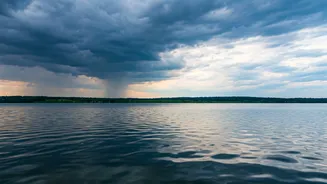
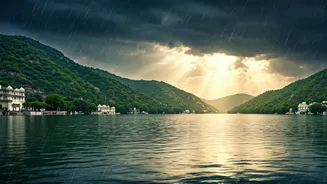
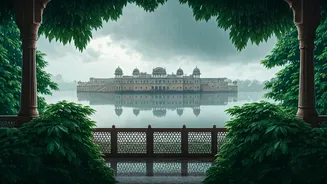
Udaipur’s identity is inextricably tied to its man-made lakes, particularly Lake Pichola and Fateh Sagar Lake. During the dry season, their water levels can recede, but the monsoon replenishes them completely. The lakes swell, lapping at the foundations of the palaces and temples along their banks. The iconic Taj Lake Palace, a former royal summer residence that appears to float in the middle of Lake Pichola, becomes even more ethereal when surrounded by shimmering, rain-stippled water. A slow boat ride on a misty morning or a candlelit dinner on a terrace overlooking the brimming lake becomes an profoundly romantic experience. The rain doesn't stop life; it enhances it, turning the city into a real-life Venice of the East.
You Live Like Royalty, But Cooler
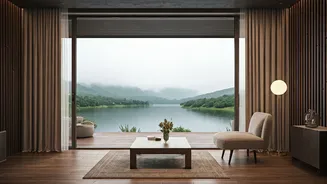
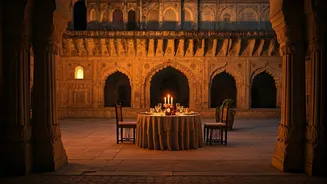
Udaipur is famed for its palace hotels, which are actual heritage properties converted into luxurious accommodations. Staying in one isn’t just a hotel visit; it’s an immersion into a bygone era of maharajas and regal splendor. During the monsoon, this experience is elevated. The oppressive heat of the Indian summer gives way to a pleasant, rain-cooled climate. The thick stone walls of the palaces, designed centuries ago to stay cool, work their magic. You can spend your days exploring intricate courtyards, lounging in ornate sitting rooms, or enjoying world-class spa treatments without feeling overwhelmed by the heat. The gentle patter of rain outside your arched window creates a cozy, intimate atmosphere, making you feel like you have the entire palace to yourselves.
Fewer Crowds Mean More Intimacy
The peak tourist season in Rajasthan is during the cooler, drier winter months. By choosing to honeymoon during the monsoon, you’re opting for the shoulder season. The result? Fewer crowds, more personal space, and a feeling of having discovered a well-kept secret. The city’s winding alleys, vibrant bazaars, and majestic landmarks like the City Palace are far more pleasant to explore without the throngs of peak-season visitors. You can wander hand-in-hand through a quiet garden or find a secluded corner in a rooftop cafe without interruption. This relative quiet allows for a more authentic and intimate connection with the city and, more importantly, with each other. It’s the difference between seeing a destination and truly experiencing it.
It’s a Feast for the Senses
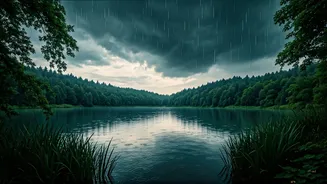
A monsoon honeymoon in Udaipur engages all the senses. There’s the constant, soothing sound of rainfall, from a gentle pitter-patter to a dramatic downpour. There’s the earthy smell of petrichor—the scent of rain hitting dry soil—which permeates the air. There are the visual delights of dramatic, cloud-filled skies that create perfect, soft light for photography. And there’s the taste of monsoon-specific delicacies. Locals celebrate the season with special foods like hot, crispy pakoras (fritters) and sweet ghewar, best enjoyed with a steaming cup of masala chai while watching the rain fall. It’s a multi-sensory experience that is both grounding and deeply romantic, creating shared memories that a simple beach vacation can’t replicate.