







The Anti-Burnout Break
The traditional American vacation model—saving up all year for one big, expensive getaway—is losing its appeal for a generation navigating economic uncertainty and chronic burnout. Gen Zers, often juggling multiple gigs, student debt, and the pressures
of a hyper-connected world, find the concept of a long, elaborate trip both financially and logistically daunting. The micro-vacation is the antidote. It’s a low-stakes, high-reward escape designed to fit into real life, not disrupt it. Instead of a massive reset button you can only press once a year, these short trips act as regular pressure-release valves. They provide a mental health boost and a change of scenery without requiring extensive time off, a massive budget, or the organizational marathon of planning a major international holiday. It’s a pragmatic approach to wanderlust, prioritizing frequency and restoration over performative, once-in-a-lifetime journeys.
The Magic of 72 Hours
Why three days? It’s the logistical sweet spot. A three-day trip, typically over a long weekend or by taking a single Friday or Monday off, feels like a genuine escape without eating up a significant chunk of precious PTO. Day one is for travel and settling in, exploring the immediate surroundings. Day two is the core of the experience—a full day for adventure, relaxation, or deep-diving into a local scene. Day three is for a final leisurely breakfast or activity before heading home, feeling refreshed rather than exhausted by a brutal travel day. This 72-hour window minimizes the stress of both planning and returning. You don't need to pack for multiple climates, arrange complex pet care, or face a mountain of emails upon your return. It’s just enough time to disconnect and recharge but not so much that the thought of re-entry triggers anxiety. This structure makes travel feel accessible and repeatable, turning it from a rare luxury into a sustainable part of a balanced life.
What Makes a 'Hidden Gem'?
The “hidden gem” component is key to this trend’s ethos. It’s less about discovering a place no one on Earth has heard of and more about rejecting the cliché, overcrowded, and expensive destinations that dominate Instagram feeds. A hidden gem is defined by personal discovery and local flavor. It might be a small town two hours away with a surprisingly great food scene, a state park with beautiful hiking trails that’s often overlooked for a more famous national park, or a quirky city with vibrant street art and independent shops. The goal is authenticity over clout. Gen Z travelers are using tools like TikTok, Atlas Obscura, and hyper-specific Google searches (“quirky towns within 3 hours of [my city]”) to find places with character. The appeal is in the novelty and the feeling of having found something special that isn’t just a backdrop for a selfie, but a place to genuinely experience.
Inspiration for Your Micro-Trip
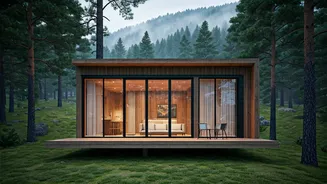
Ready to plan your own three-day escape? Instead of a specific list of places that will soon be overrun, think in terms of archetypes. Look for an “Underrated Small City” like Chattanooga, Tennessee, or Boise, Idaho, which offer walkability, great food, and culture without the big-city price tag. Consider a “Nearby Nature Escape” by booking a cabin or yurt near a lesser-known state forest or lake, focusing on hiking, kayaking, or simply sitting by a fire. Or explore a “Quirky College Town” in its off-season, like Athens, Georgia, or Burlington, Vermont, where you can find cheap eats, cool bookstores, and a laid-back vibe. The best micro-vacation is the one you don’t have to overthink. Pick a direction, drive a few hours, and see what you find. The spontaneity is part of the adventure.