




The Antithesis of the Tourist Trail
Mention a trip to India’s Himachal Pradesh, and most Americans will picture the bustling, backpacker-filled streets of Manali. It’s a town of vibrant markets, adventure sports outfitters, and a constant, energetic hum. But just an hour’s drive away, nestled
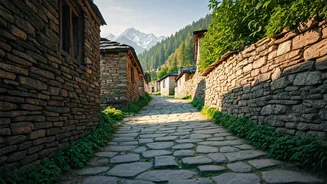
on a forested slope overlooking the Beas River, lies its quieter, more contemplative cousin: Naggar. This is where the concept of “slow travel” isn’t a trend; it’s simply the way of life. While other mountain towns have leaned into the whirlwind of commercial tourism, Naggar has retained its old-world dignity. The difference is palpable. The air isn’t filled with competing tour operators’ pitches, but with the scent of pine and the distant chime of temple bells. It’s a place that doesn’t demand your attention with neon signs, but quietly earns it with its staggering beauty and unhurried pace.
A Castle with a Soul
The heart of Naggar is its castle. Perched dramatically on the edge of a cliff, Naggar Castle isn’t a sterile, roped-off museum. Built around 1460, this formidable structure of stone and timber was the seat of the Kullu kingdom for centuries before the capital was moved down to the valley floor. Today, it’s a heritage hotel and a public monument, and walking its courtyards feels like stepping back in time. You can grab a cup of chai on the balcony restaurant and gaze at the same snow-capped peaks that kings and queens once did. The architecture itself—a style known as Kath-Kuni, using interlocking wooden beams and stones without mortar—is a testament to a time when things were built to last. The castle isn’t just a sight to be ticked off a list; it’s the historical anchor of the village, a constant reminder of a slower, more deliberate era.
The Russian Artist Who Stayed
Adding a unique layer to Naggar’s identity is the legacy of Nicholas Roerich, a Russian artist, writer, and philosopher who made this Himalayan hamlet his home in the 1920s. His former residence is now the Roerich Art Gallery, a must-visit for anyone spending time here. His paintings are luminous, capturing the spiritual majesty of the Himalayas in otherworldly shades of blue and purple. But the gallery is more than a collection of art; it’s a portal into a different mindset. Roerich chose Naggar for its peace and mystical energy, qualities he believed were essential for creative and spiritual work. Visiting his home, you’re not just looking at paintings—you’re being invited to see the mountains through his contemplative eyes. This artistic soul is woven into the fabric of Naggar, encouraging visitors to pause, reflect, and find their own inspiration in the landscape.
The Simple Joy of Doing Nothing
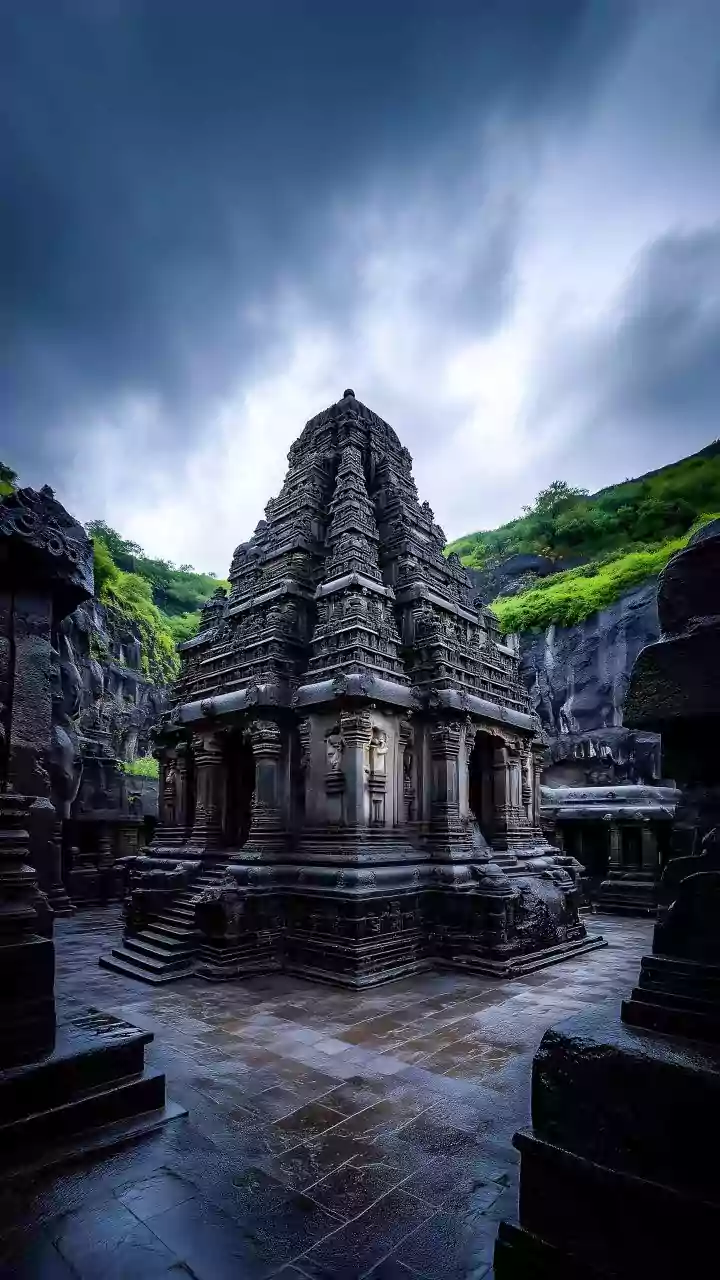
So what does a “slow trip” in Naggar actually look like? It looks like mornings spent sipping coffee in a rustic café, watching the clouds drift across the valley. It’s an afternoon spent on a meandering walk through terraced fields and tiny hamlets, where the only traffic is a herd of grazing sheep. It’s exploring ancient wooden temples like the Tripura Sundari and Gauri Shankar, where the intricate carvings tell stories centuries old. There are no schedules here, no pressure to “do it all.” The main activity is being present. You can hike up to the village of Rumsu, trek to the base of Chanderkhani Pass, or simply find a comfortable spot to read a book with the Himalayas as your backdrop. The goal isn’t to conquer the place, but to let it seep into you, to allow its profound calm to reset your internal clock.