
The Glow-Up of Grab-and-Go
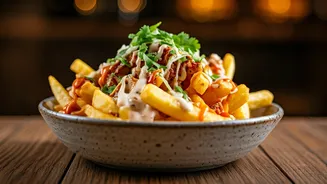
For generations, American street food has been defined by its delicious, unpretentious simplicity. Think of a New York hot dog cart, a Los Angeles taco truck, or a Philadelphia cheesesteak stand. The priorities were flavor, speed, and portability, often
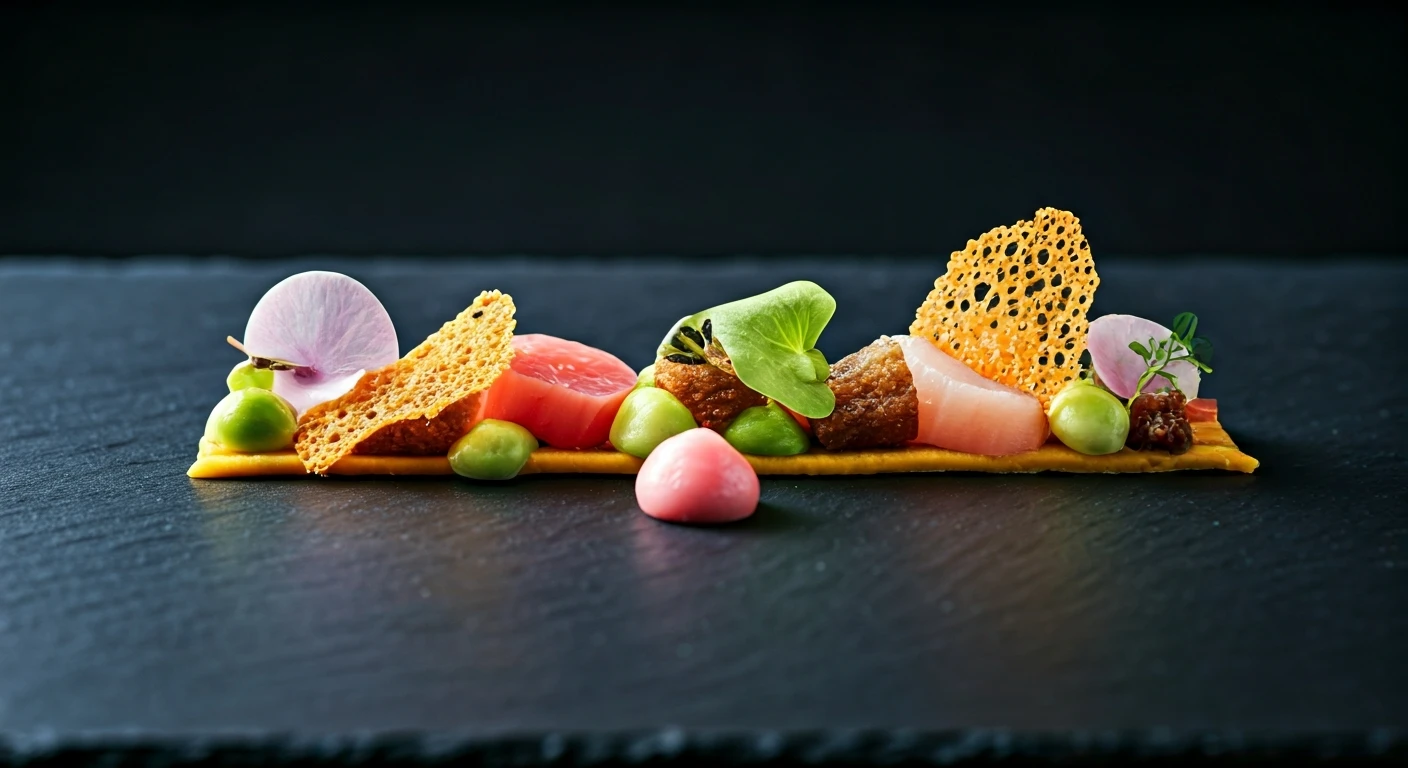
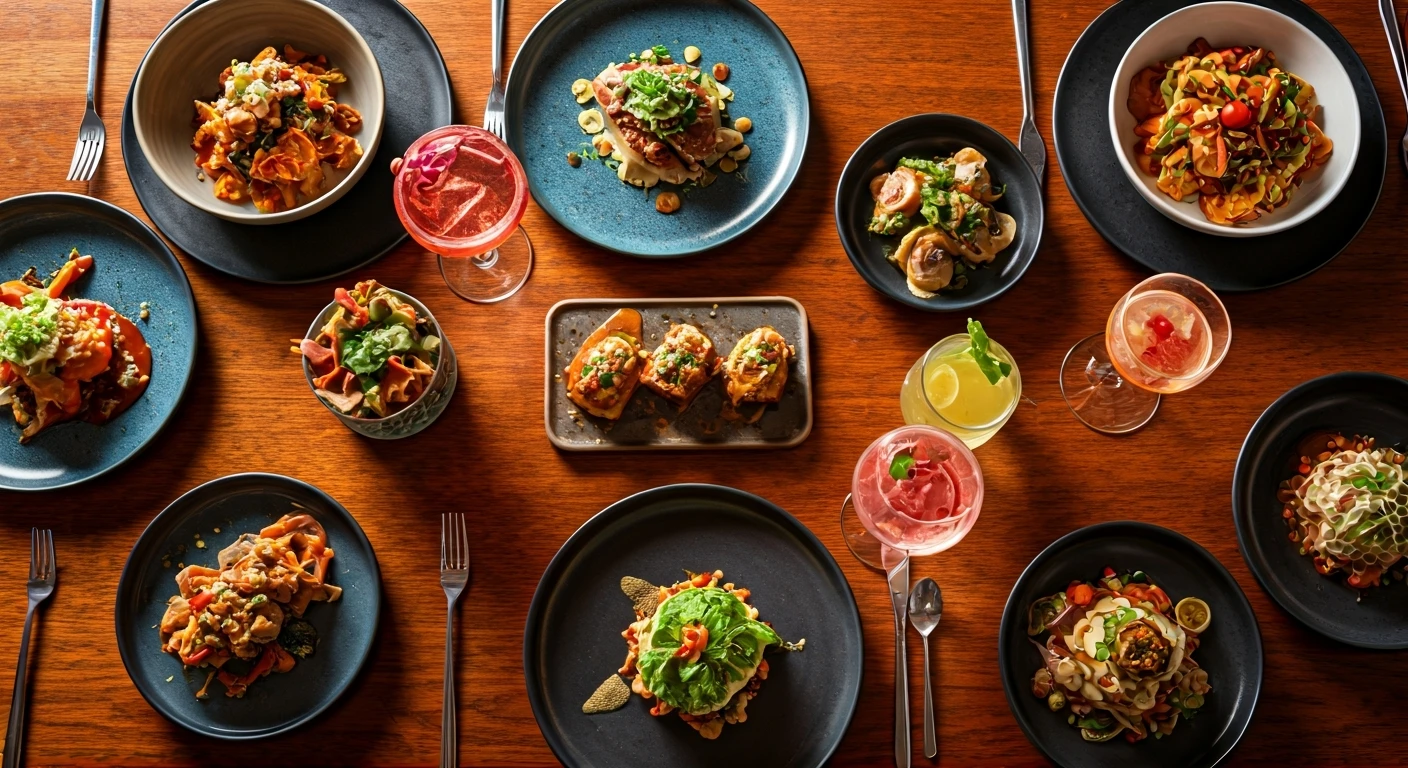
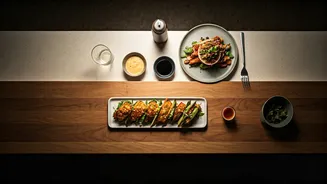
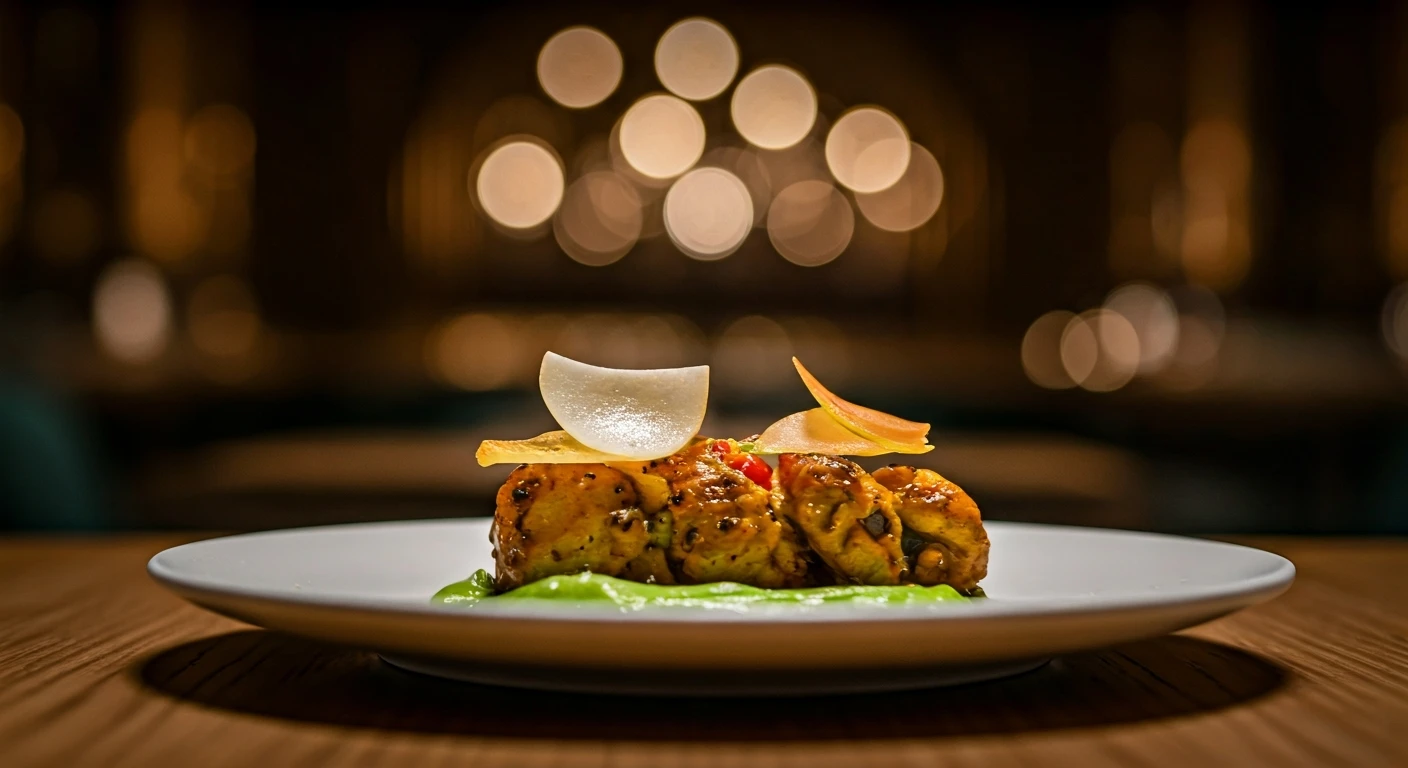
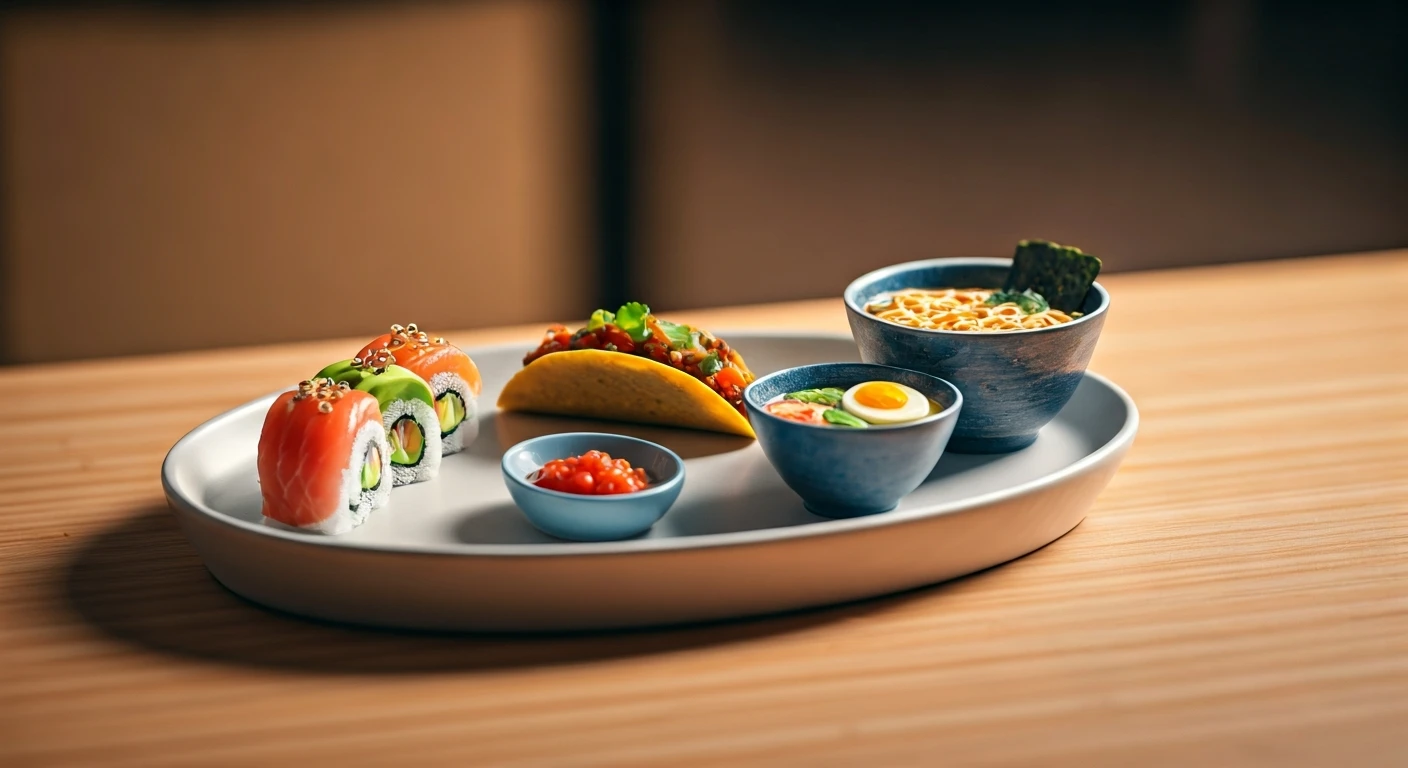
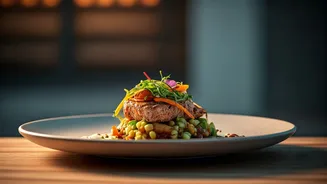
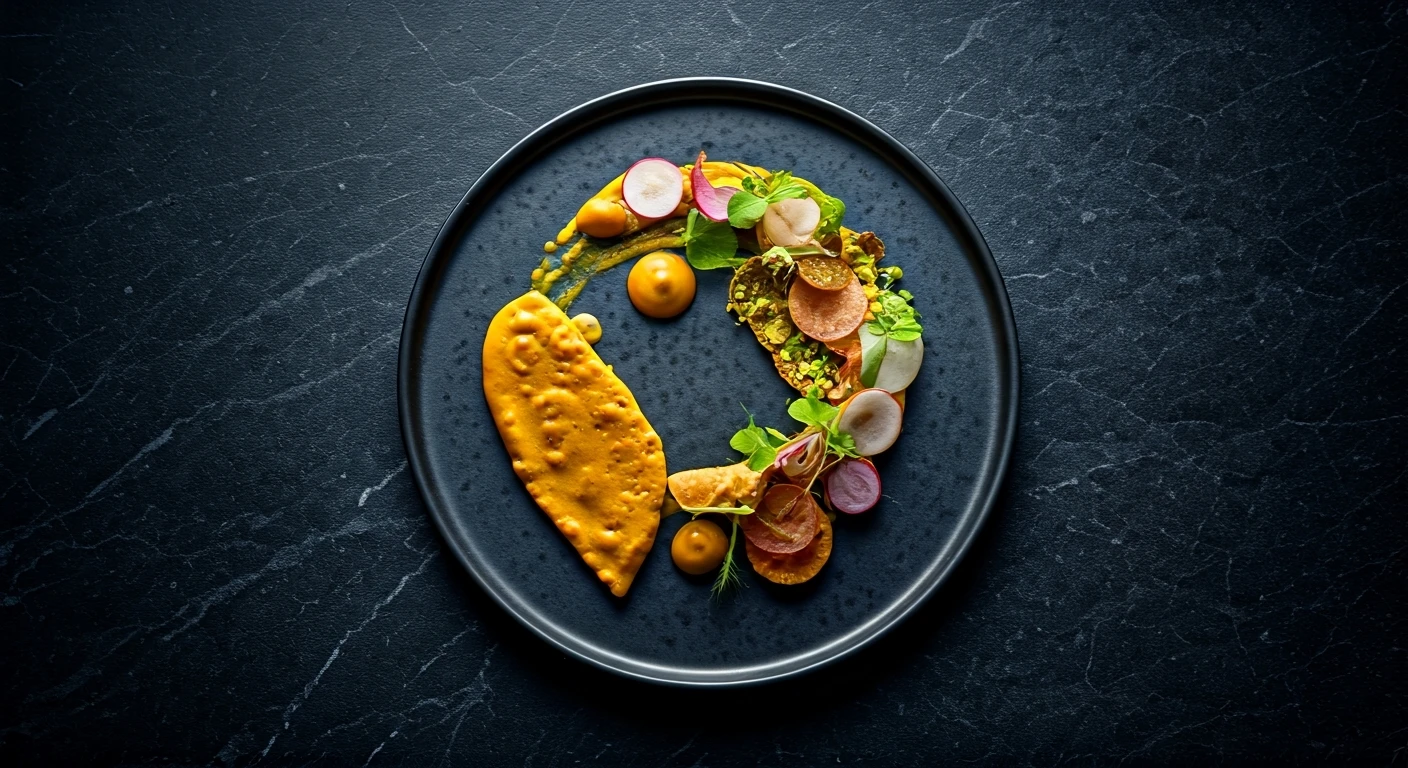
at the expense of aesthetics. The container was functional—a paper boat, a wax-paper wrapper, a simple foil sheet—designed to be discarded moments after its contents were devoured. But take a walk through any food truck park, farmers' market, or urban food hall today, and you’ll see a dramatic shift. You’re just as likely to find a dish that looks like it belongs in a glossy food magazine: seared scallops artfully arranged over a saffron risotto, vibrant microgreens scattered over a pulled pork sandwich, or a deconstructed tres leches cake served in a clear cup to showcase its perfect layers. The food is still served from a small, often mobile, kitchen, but the final product is anything but simple. This is the new street plate: thoughtful, composed, and undeniably gorgeous.
Dining for the Instagram Feed
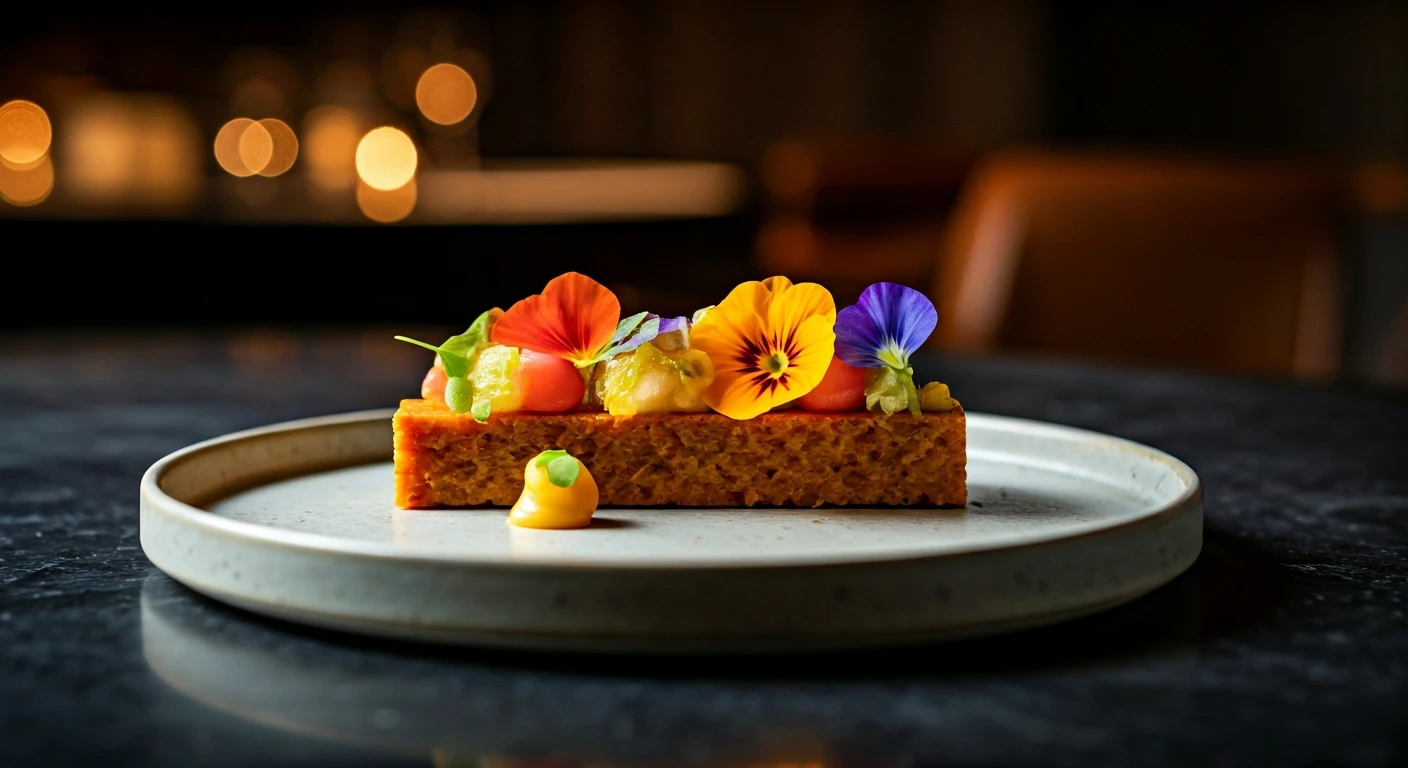
You can’t talk about food presentation today without talking about social media. The rise of Instagram transformed every diner into a potential food photographer and critic. A dish that looks amazing on camera is a dish that provides free marketing, potentially going viral and drawing crowds. For a small operation like a food truck or a pop-up, which can’t rely on a fancy address or traditional advertising, a photogenic plate is a powerful business tool. Chefs and entrepreneurs have taken notice. They’re using colorful sauces, contrasting textures, and elegant plating techniques specifically because they know customers will pull out their phones before they pick up their forks. This isn't just vanity; it's a savvy adaptation to a visual economy. The perfect swirl of a sauce, the precise placement of a garnish—these details are no longer reserved for white-tablecloth establishments. They are now essential elements of the modern street food playbook, turning a simple meal into a shareable experience.
Fine-Dining Chefs Hit the Streets
Another key driver behind this trend is the changing career path of talented chefs. The traditional restaurant model is notoriously difficult, with astronomical startup costs, high overhead, and brutal hours. In recent years, many chefs with fine-dining pedigrees have opted for a more nimble, lower-risk approach. By launching a food truck, opening a stall in a food hall, or hosting pop-ups, they can express their culinary creativity without being shackled to a multi-million-dollar buildout. These chefs bring their Michelin-star training with them. They know how to balance flavors, source high-quality ingredients, and, crucially, how to plate a dish to look like a work of art. They aren't “dumbing down” their skills for a casual audience; they’re elevating the entire format. They prove that exceptional food doesn’t require a stuffy dining room or an intimidating wine list. You can have a world-class culinary experience standing on a sidewalk, and it might only cost you fifteen bucks.
Redefining Value and Experience
Ultimately, the rise of the “pretty street plate” signals a broader shift in what we, as diners, want. The lines between “casual” and “fine” dining have been blurring for years. We want high-quality, interesting food, but we also crave convenience and affordability. We want an experience, but we don't always want the three-hour commitment of a formal dinner. The elevated street plate delivers on all fronts. It offers the complexity and care of a high-end restaurant dish with the accessibility of a food truck. It’s a new kind of value proposition: you’re not just paying for sustenance, you’re paying for a small, accessible piece of culinary art. It respects the craft of the chef and the intelligence of the diner, proving that great food can and should be for everyone, no matter where it's served.