
A Taste of Sunshine and Celebration
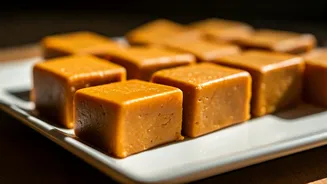
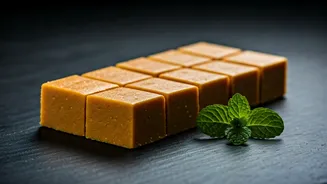
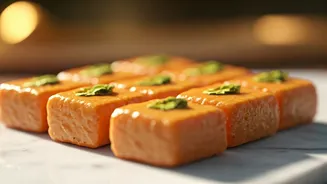
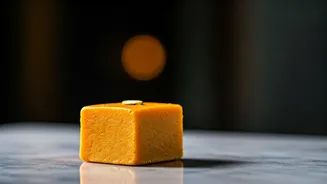
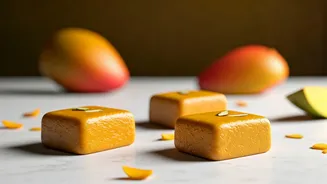
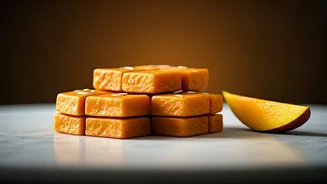
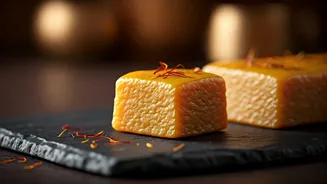
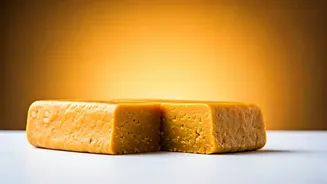
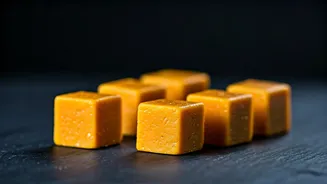
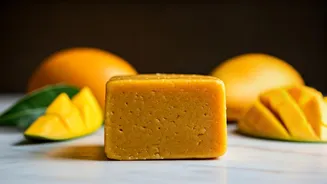
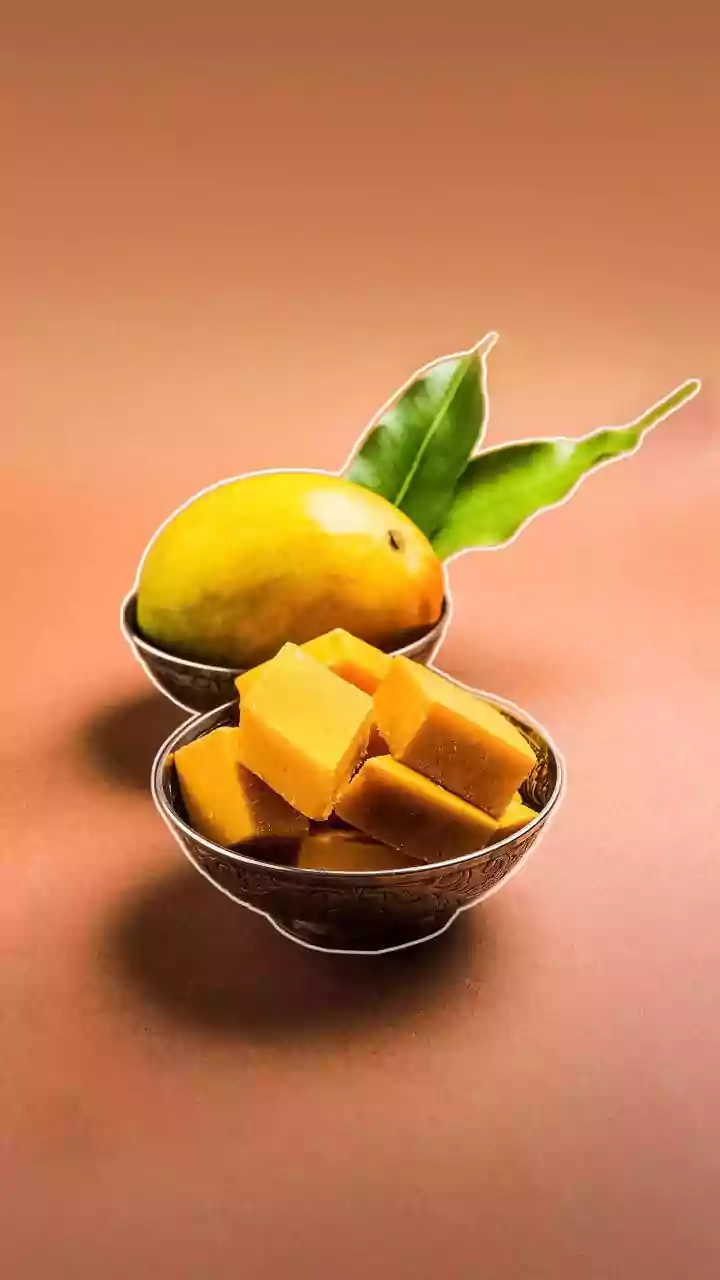
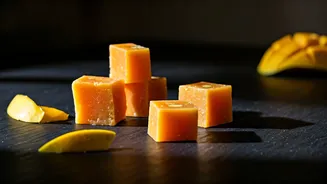
Imagine a dense, fudgy square that melts in your mouth, releasing a wave of rich, milky sweetness perfectly balanced by the unmistakable floral, sun-ripened flavor of a perfect mango. That, in essence, is mango barfi. Barfi is a category of Indian sweets,
or mithai, made by condensing milk and sugar until it thickens, which can then be flavored with anything from pistachios and cardamom to rosewater. It has a distinctive, crumbly-yet-creamy texture that sets it apart from other confections. But when infused with fresh mango pulp or high-quality essence, it transcends its traditional forms. It becomes a vibrant, golden-orange tribute to summer’s most beloved fruit, capturing its bright, tangy spirit in a form that feels both classic and completely new.
Understanding 'Mithai Season'
To grasp why mango barfi feels like a delightful temporal paradox, you have to understand “mithai season.” In Indian culture, sweets are not just desserts; they are integral to celebration, prayer, and community. While enjoyed year-round, the production and consumption of mithai reach a fever pitch during the fall festival season, which culminates in Diwali, the Festival of Lights, typically in October or November. During this time, sweet shops, known as *mithaiwalas*, are dazzling hubs of activity. Their glass cases overflow with an incredible variety of colorful, fragrant, and intricately decorated sweets. Families exchange beautifully packaged boxes of mithai with friends, neighbors, and colleagues as a gesture of goodwill and joy. This period is the undisputed peak of the sweet-maker’s art, a time associated with cooler weather, festive gatherings, and specific flavors like cardamom, saffron, nuts, and lentils.
When Summer Meets Autumn
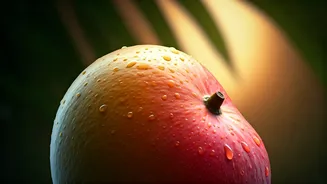
And here is where the beautiful disruption occurs. Mangoes are the undisputed kings of summer, their peak season running from late spring through the hottest months. Their arrival is an event in itself, a herald of warm weather and sunny days. Traditionally, their reign ends long before the lamps of Diwali are lit. By bringing the quintessential taste of summer into a food category synonymous with autumn festivities, mango barfi creates a delicious bridge between seasons. It’s a treat that lets you indulge in the celebratory spirit of mithai while the sun is still high in the sky. For many Indian-American sweet shops and home cooks, it’s a brilliant innovation—a way to capitalize on the availability of excellent mangoes (like the Alphonso or Kesar varieties, often available as high-quality canned pulp) and give customers a taste of the festive future.
More Than Just a Sweet
The popularity of mango barfi speaks to a larger, more wonderful trend in diaspora food culture: the joyful evolution of tradition. While classic recipes are treasured and preserved, there is also a vibrant space for creativity. Chefs and home cooks are no longer bound by strict seasonal or regional ingredient limitations. They are free to fuse the best of what’s available with the flavors of their heritage, creating new classics in the process. Mango barfi is a perfect emblem of this spirit. It honors the technique and cultural importance of traditional barfi while infusing it with a flavor that is universally adored. It doesn't replace the pistachio, almond, or besan (chickpea flour) barfi of Diwali; it simply joins the party early, bringing its own sunny disposition. It’s a testament to the idea that traditions aren’t rigid, static artifacts but living, breathing things that can grow and adapt, often becoming even more delicious as they do.