





From Table Scraps to Turmeric Lattes
For generations, the family dog in India was likely to be a local stray or an indie breed that subsisted on roti, rice, and leftover scraps from the family’s own meals. Commercial pet food was a niche product, often seen as an unnecessary Western luxury.
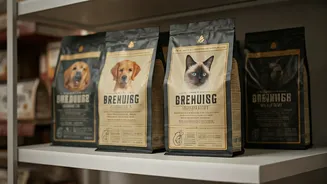
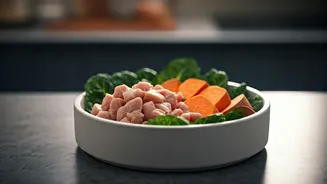
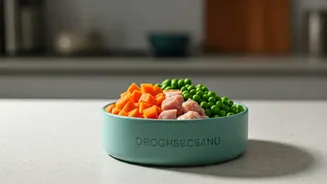
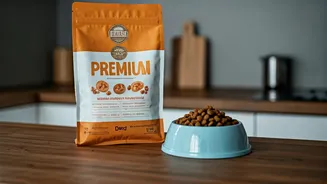
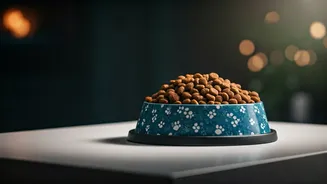
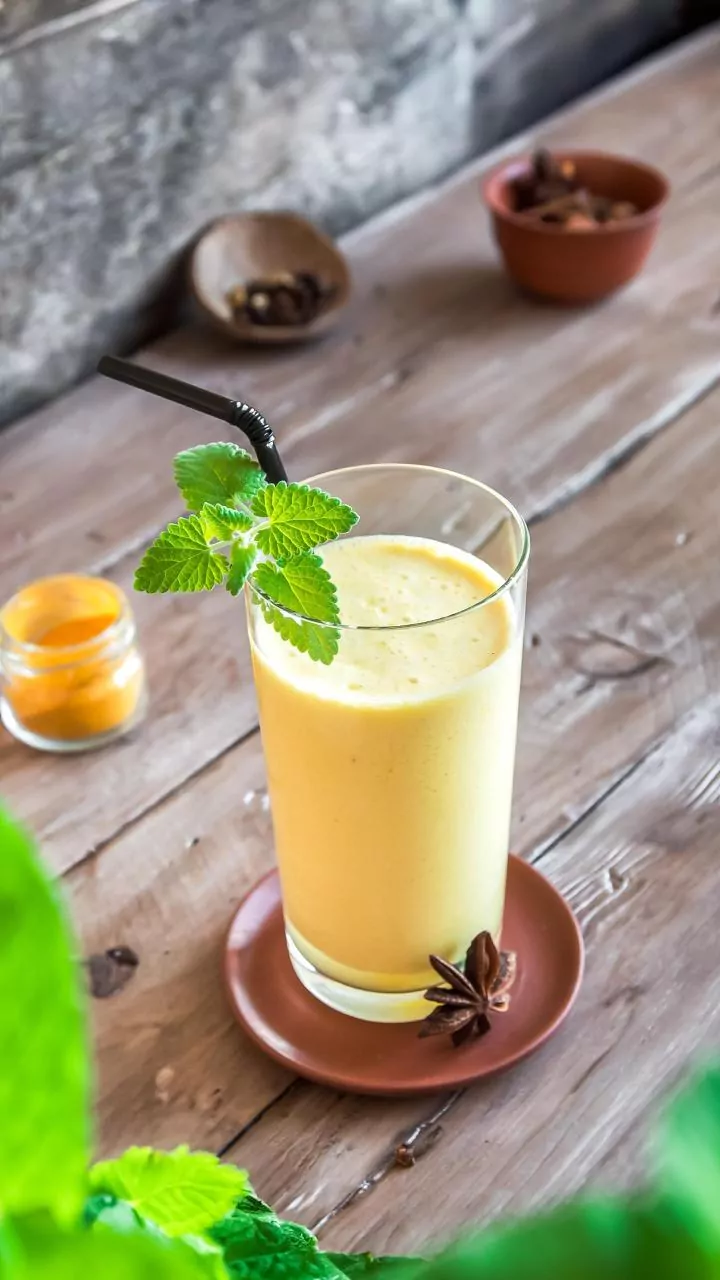
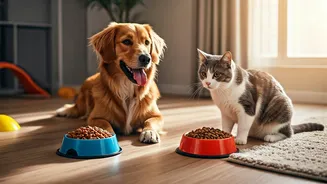
That picture is changing, and fast. Today, in cities like Mumbai, Delhi, and Bengaluru, a new generation of pet owners is scrutinizing labels and seeking out brands that offer grain-free kibble, freeze-dried raw meals, and treats infused with wellness ingredients like turmeric, moringa, and salmon oil. This isn't just a switch from homemade to packaged; it's a quantum leap from basic sustenance to bespoke nutrition. Startups are offering fresh, human-grade meals delivered to your door, much like the services that have become popular in the U.S. The shift mirrors the American “farm-to-bowl” movement, where the language of human health—organic, non-GMO, superfoods—has been completely transposed onto the pet aisle.
The Rise of the 'Pet Parent'
So, what’s driving this dramatic change? It’s a story of profound demographic and cultural shifts. India's rapidly growing economy has created a new, upwardly mobile middle class with disposable income. As young professionals move to cities for work, they are often living alone or in nuclear families, a departure from the traditional multi-generational household. They are also marrying later and having fewer children. Into this social space steps the pet, which is being elevated from a guard animal or backyard companion to a cherished member of the family—a “fur baby.” This “humanization” of pets is the single biggest driver of the premium pet food market. These new owners, often millennials and Gen Z, project their own wellness aspirations onto their animals. If they are eating clean, so should their dog. If they are avoiding processed foods, their cat should, too. This emotional investment is fueling a willingness to spend unprecedented amounts on pet health and happiness.
A Market Unleashed
The numbers tell a staggering story of growth. The Indian pet food market, valued at around $400-500 million, is projected to expand significantly in the coming years, with some analysts forecasting it to more than double by the end of the decade. While global giants like Mars (owner of Royal Canin and Pedigree) and Nestlé (Purina) have long dominated the space, they are now facing stiff competition from a wave of agile, local startups. Brands like Heads Up For Tails, Dogsee Chew, and other direct-to-consumer companies are capturing the hearts and wallets of Indian pet parents by emphasizing natural ingredients, local sourcing, and recipes tailored to Indian tastes and climates. These smaller brands build community on social media, using influencers and emotional storytelling to create a loyal following that sees their products as an expression of love, not just a purchase.
More Than Just a Meal
This trend is a powerful economic and cultural indicator. On one level, it signals a maturing consumer market where buyers are moving beyond price to prioritize quality, health, and ethical sourcing. On another, it reflects a deeper shift in the Indian psyche. In a country undergoing rapid, sometimes jarring, modernization, the bond with a pet offers a source of unconditional love and emotional stability. Spending on premium food is a way to nurture that bond and ensure their companion lives the longest, healthiest life possible. It’s a tangible way for owners to feel they are providing the very best, an act of care that enriches their own lives as much as their pets'. This isn’t just about dogs and cats; it’s about a new generation defining what it means to build a modern family and live a good life.