



The Peak of Performative Wellness
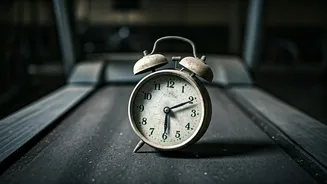
Remember when ‘wellness’ meant a 5 a.m. cold plunge, a meticulously tracked macro diet, and a color-coded calendar that left no minute unscheduled? For the better part of a decade, wellness was synonymous with optimization. It wasn’t about feeling good;
it was about being better, faster, and more productive. Hustle culture, glamorized by ‘girlboss’ narratives and tech-bro biohacking, reframed exhaustion as a badge of honor. Self-care became another item on an endless to-do list, a frantic, reactive effort to patch the holes created by a lifestyle designed to burn us out. We bought the expensive skincare to hide our fatigue, downloaded the meditation app to quiet our racing minds for ten minutes, and drank the green juice to counteract the stress. It was a cycle of treating symptoms, not addressing the root cause. This version of wellness, for all its glossy packaging, was deeply unsustainable—and we were all getting tired.
The Great Cultural Correction
So, what changed? In short, everything. The global pandemic acted as a powerful accelerator for a conversation that was already bubbling under the surface. Forced to slow down, millions of Americans were confronted with the stark reality of their frantic lives. The relentless commute, the performative office culture, and the pressure to be ‘always on’ were suddenly gone, replaced by a much quieter, more introspective existence. This collective pause gave us the space to question the very systems we had accepted as normal. Why were we so tired? Why did our jobs consume our identities? Is this constant state of low-grade panic really living? The backlash against hustle culture gained momentum. On social media, aspirational posts about 18-hour workdays were replaced by content about ‘soft living,’ setting boundaries, and the simple joy of doing nothing. The collective burnout reached a tipping point, and people began to seek not just a temporary fix, but a fundamental change.
What 'Balance' Actually Means Now
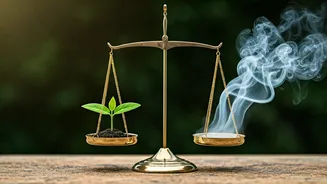
The new pursuit of ‘balance’ is not the mythical, perfectly divided work-life pie chart of the past. It’s a more fluid, intuitive, and personal concept. This new paradigm is less about adding more wellness tasks and more about strategic subtraction. It’s about integration, not separation. Balance now looks like protecting your evenings and weekends as sacred, non-negotiable time for rest and connection. It’s choosing a walk in the park over a high-intensity workout because your body is asking for gentle movement. It’s leaving a job that prizes burnout for one that respects personal time. This emerging definition of wellness is built on self-trust rather than external rules. It favors consistency over intensity, and it views rest not as a reward for productivity, but as a fundamental human need. It’s about building a life that doesn’t constantly require you to recover from it.
From Products to a Practice
Of course, the wellness industry is already adapting. Brands are shifting their marketing from ‘optimization’ and ‘performance’ to ‘rest,’ ‘recovery,’ and ‘ease.’ While new products can be helpful, the real evolution is happening internally. This movement is fundamentally about a mindset shift from a consumer to a practitioner of your own well-being. It recognizes that no supplement, gadget, or app can replace the foundational pillars of a balanced life: adequate sleep, genuine social connection, meaningful work, and firm boundaries. The ultimate goal is no longer to build a perfect, optimized version of yourself. Instead, it’s about creating a lifestyle that is flexible, forgiving, and resilient enough to handle the natural ups and downs of being human. The focus is shifting from a life that looks good on Instagram to one that actually *feels* good to live.