
What Exactly Is This Green Powder?
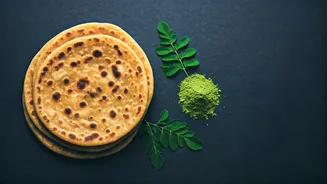
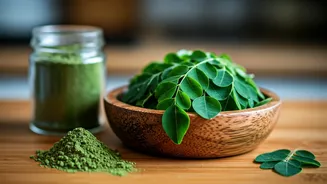
Moringa oleifera, often called the “drumstick tree” or “horseradish tree,” is a plant native to parts of India, Africa, and Asia. For centuries, its leaves, pods, and seeds have been used in traditional medicine and cooking. In the U.S., you’re most likely
to encounter it as a fine, bright green powder made from dried and ground moringa leaves. Think of it like matcha’s less-famous but equally potent cousin. While the entire plant is technically edible, the leaves are the most nutrient-dense part and have become the focus of its modern-day fame. They have an earthy, slightly bitter taste, similar to spinach or kale, which makes the powder a versatile ingredient that can blend into both sweet and savory dishes without completely overpowering them.
The Nutritional Hype Is Real
The reason moringa is “winning” the kitchen add-on game comes down to its incredible nutritional profile. Gram for gram, the leaves are packed with vitamins and minerals that put many other superfoods to shame. It’s a rich source of Vitamin A (great for vision and immune function), Vitamin C (a powerful antioxidant), and Vitamin B6. Beyond vitamins, moringa delivers a solid dose of iron, calcium, potassium, and magnesium. Perhaps most surprisingly for a plant, it’s also a complete protein, meaning it contains all nine essential amino acids. This combination makes it an attractive, plant-based supplement for anyone looking to fill nutritional gaps, boost their energy levels naturally, or add a powerful dose of antioxidants to their diet.
A Reality Check on Health Claims
While moringa is undeniably nutritious, it's important to separate wellness marketing from scientific fact. Many dramatic claims circulate online, but the research is still developing. That said, existing studies are promising. Moringa is loaded with antioxidants like quercetin and chlorogenic acid, which may help combat oxidative stress and inflammation in the body—two root causes of chronic disease. Some early studies, mostly on animals or in test tubes, suggest it could help moderate blood sugar levels and lower cholesterol. However, these effects are not yet proven in large-scale human trials. The most reliable takeaway is that moringa is a powerful anti-inflammatory and antioxidant food. Think of it as a potent, whole-food multivitamin rather than a cure-all.
How to Actually Use It at Home
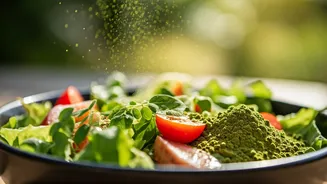
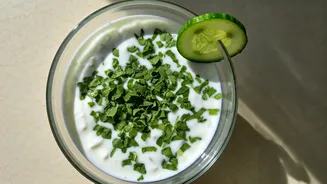
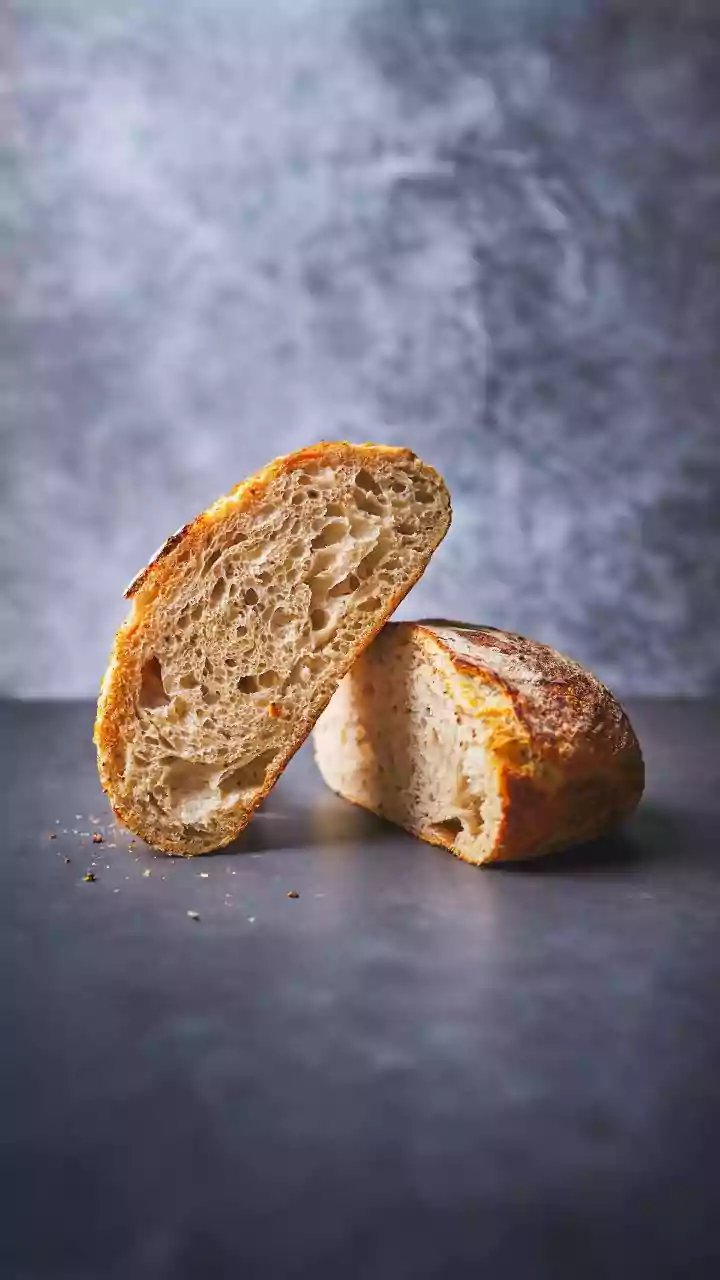
This is where moringa truly shines: its versatility. Unlike some supplements that require complicated preparations, incorporating moringa powder into your daily routine is incredibly simple. A little goes a long way—start with half a teaspoon to a full teaspoon per day. * **Smoothies:** This is the most popular method. Its earthy taste is easily masked by fruits like banana, pineapple, and mango. Add it to any green smoothie for an extra nutritional kick. * **Drinks:** Whisk it into hot water with lemon and honey for a simple tea, or add a spoonful to your morning latte. * **Sprinkle It:** Treat it like a finishing herb. Sprinkle a small amount over salads, avocado toast, roasted vegetables, or a bowl of soup just before serving. * **Mix It In:** Stir it into yogurt, oatmeal, hummus, or guacamole. It can also be blended into salad dressings or sauces like pesto. * **Baking:** You can add a tablespoon or two to the dry ingredients for muffins, energy balls, or even savory breads to boost their nutritional content.
What to Look For When Buying
Not all green powders are created equal. When shopping for moringa, look for a product that is 100% pure moringa leaf powder, with no added fillers, sugars, or other ingredients. Opting for an organic, non-GMO brand is a good way to ensure quality and avoid potential contaminants. The color should be a vibrant, rich green—a dull or brownish powder may be old or improperly processed, which can degrade its nutrients. Once you have it home, store it in an airtight container in a cool, dark place, just like you would with spices or high-quality tea, to preserve its freshness and potency.