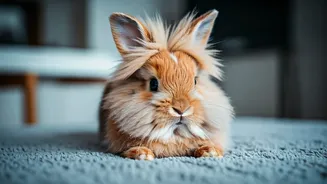







Not Your Childhood Rabbit
For generations, the pet rabbit occupied a specific, and often grim, cultural niche. It was the quintessential Easter gift, an impulse buy for children that often ended in neglect once the novelty wore off. Housed in a small wire cage in the backyard,
fed a monotonous diet of pellets, and rarely handled, its life expectancy was short. That picture is being rapidly redrawn. The new status bunny is a house bunny, free-roaming in a city apartment that has been meticulously “bunny-proofed” to cover electrical cords and protect baseboards. It isn’t a pet for a child; it’s a companion for a millennial or Gen Z adult who understands its needs. This modern rabbit has a multi-thousand-dollar vet budget, an Instagram account with more followers than you, and a diet more varied and organic than most humans, consisting of specific hays, fresh greens, and curated forage mixes.
The High-Maintenance Reality
This “glow-up” is fundamentally rooted in a massive public education effort, largely spearheaded by organizations like the House Rabbit Society. For decades, advocates have worked to dismantle the myth of the “easy” rabbit. The reality is that rabbits are not low-maintenance pets. They are prey animals, meaning their instincts make them prone to stress and fear, requiring a quiet, stable environment. Their digestive systems are incredibly delicate and require a constant supply of high-fiber hay to avoid fatal gastrointestinal stasis. They need specialized veterinary care from exotic pet vets, who are more expensive and harder to find than a standard cat-and-dog practitioner. Furthermore, their social needs are complex. They are not cuddly toys; they often prefer to interact on their own terms, making them a better fit for patient adults who can read subtle body language rather than children seeking a furry plaything.
An Economy Built on Hay
Where dedicated owners go, a market follows. The rise of the rabbit as a high-value companion has fueled a booming cottage industry. Boutique companies now sell subscription boxes of artisanal hay, organic willow-wood chew toys, and multi-level “bunny condos” that can cost hundreds of dollars. This mirrors the “pet humanization” trend that transformed the dog and cat markets over the past two decades, where owners spare no expense on gourmet food, orthopedic beds, and high-tech gadgets. The spending on small-animal products, once an afterthought in pet stores, is growing. This economic investment reflects a deeper emotional one. When you’re spending hundreds of dollars a year on hay and vet checkups, you’re not treating the animal as a disposable novelty; you’re treating it as a legitimate family member.
A Shift Toward Ethical Ownership
Perhaps the most significant aspect of the rabbit’s new status is the emphasis on ethical acquisition. The old model was buying a baby bunny from a pet store or breeder, especially around Easter. The new ethos, pushed heavily by the rabbit community, is “adopt, don’t shop.” Rabbit rescues across the country are overwhelmed with surrendered animals, many of them the predictable result of those same impulse buys. Today’s informed owner is far more likely to seek out a bonded pair from a local shelter than to purchase an un-neutered baby bunny. This focus on rescue highlights the maturity of the movement. It’s not just about enjoying a cute animal; it’s about taking responsibility for a population of animals that have historically been misunderstood and mistreated. This rescue-first mindset signals that the rabbit’s glow-up isn’t just aesthetic—it’s ethical.