

Moving Beyond the Monolith
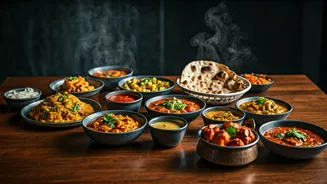
For many Americans, “Indian food” means a familiar lineup: creamy chicken tikka masala, buttery naan, and maybe a rich saag paneer. While delicious, these dishes often represent a specific, restaurant-style version of North Indian (primarily Punjabi)
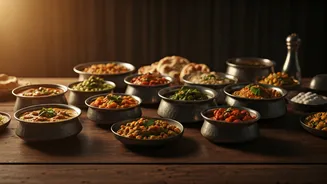
cuisine, which was the first to become popular in the West. It’s hearty, decadent, and often heavy on cream and ghee—perfect for a celebration, but not an everyday reality for most people in India. This perception is like thinking all American food is just burgers and Thanksgiving dinner. India is a subcontinent with dozens of distinct culinary regions, each shaped by its own climate, agriculture, and culture. The real magic, and the connection to modern wellness, lies in this diversity. From the coastal curries of Kerala to the vegetarian thalis of Gujarat, regional Indian food is overwhelmingly plant-centric, seasonal, and built on a philosophy of balance and nourishment.
The Southern Philosophy of Lightness
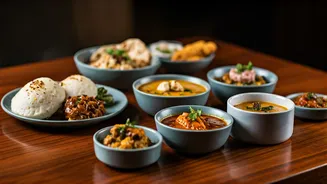
Travel south, and the entire food landscape changes. In states like Tamil Nadu and Kerala, the diet is built around rice, lentils, and an abundance of fresh vegetables. Coconut is used for its healthy fats, often as a light milk or grated garnish, rather than heavy cream. Fermentation is a cornerstone of the cuisine, producing gut-friendly staples like idli (steamed rice cakes) and dosa (a crispy lentil-and-rice crepe). These dishes aren’t just light and easily digestible; they are naturally gluten-free and packed with probiotics. A typical South Indian meal is a masterclass in clean eating: steamed, lightly spiced vegetables, brothy lentil soups (sambar), and lean proteins, all designed to energize, not weigh you down.
Eastern India's Seasonal Wisdom
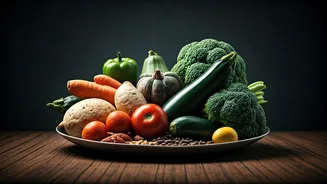
In Bengal and Odisha, the cuisine is a testament to eating with the seasons. The concept of *shukto*, a gently bitter vegetable medley that starts a meal, is designed to cleanse the palate and aid digestion. Here, mustard oil provides a pungent, heart-healthy fat, and cooking techniques favor subtlety. Fish is often prepared in a *jhol*, a light, soupy stew spiced with turmeric, ginger, and cumin, a world away from the thick, creamy curries many Westerners expect. Vegetables are the stars, treated with respect and cooked simply to preserve their flavor and nutrients. This approach mirrors the farm-to-table ethos that “clean eating” champions, but it’s a practice that has been ingrained in Bengali kitchens for generations.
The Art of the Balanced Plate
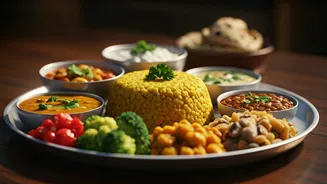
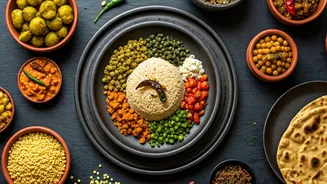
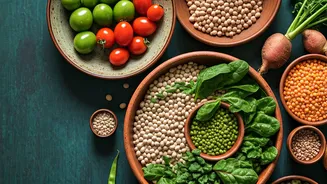
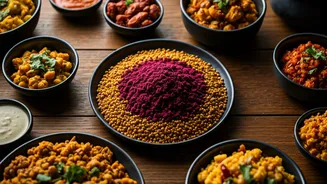
Perhaps the most brilliant expression of this built-in wellness is the *thali*—a platter featuring a complete, balanced meal in small portions. Common across India, a thali typically includes a grain (rice or flatbread), a lentil or bean dish for protein (dal), several vegetable preparations (*sabzis*), a fresh salad or pickle for flavor, and a small portion of yogurt (raita) for its probiotic and cooling properties. It’s the original macro bowl. This isn't about calorie counting; it's about nutritional synergy. The thali ensures you get a wide spectrum of flavors—sweet, sour, salty, pungent, bitter—and nutrients in one satisfying meal. It’s a built-in system for portion control and dietary diversity that modern nutritionists are just now catching up to.
Ancient Grains and Plant Power
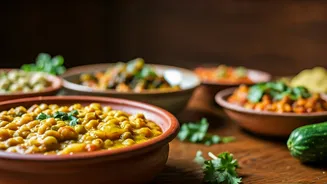
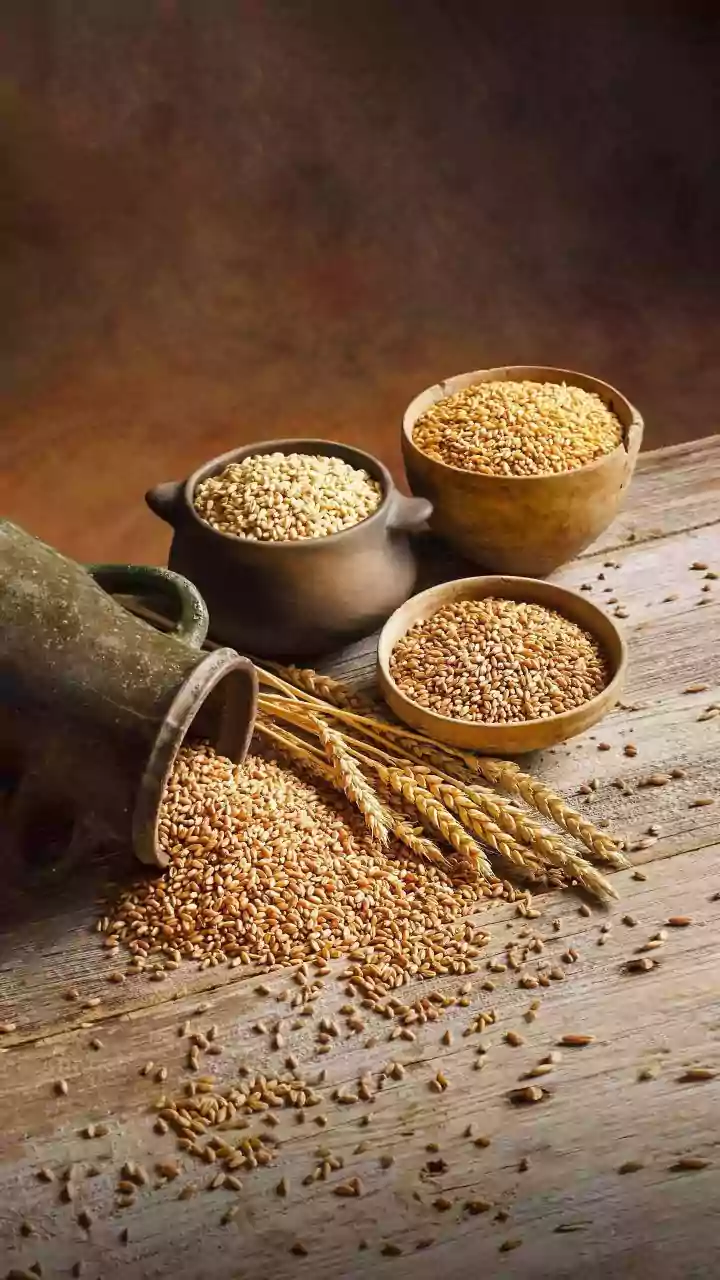
Long before quinoa became a pantry staple in the U.S., regional Indian diets were powered by a vast array of ancient grains and millets like ragi (finger millet), jowar (sorghum), and bajra (pearl millet). In the arid regions of Gujarat and Rajasthan, these drought-resistant, nutrient-dense grains form the basis of flatbreads and porridges. These areas are also home to some of the most sophisticated and delicious vegetarian food in the world, proving that a plant-based diet can be incredibly diverse and satisfying. By incorporating a wide range of legumes, vegetables, and grains, these cuisines offer a sustainable and deeply nourishing alternative to the often meat-heavy Western diet.