



The World's Rainiest Neighborhood
Let’s get the numbers out of the way, because they’re staggering. Mawsynram holds the Guinness World Record for the highest average annual rainfall, clocking in at around 467 inches. To put that in perspective, Seattle gets about 38 inches a year. Miami,
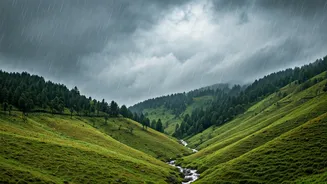
a city known for its tropical downpours, gets around 62. Mawsynram sees almost eight times more rain than Miami. This isn't a place that has a “rainy season”; it’s a place where the dry season is just a brief intermission. The reason is a perfect storm of geography. The village sits atop the Khasi Hills, a mountain range that directly confronts the warm, moisture-laden winds sweeping in from the Bay of Bengal. As the clouds are forced upward, they cool and dump their biblical-level payload directly onto Mawsynram and its surroundings, creating a weather system that feels less like meteorology and more like mythology.
An Orchestra of Water
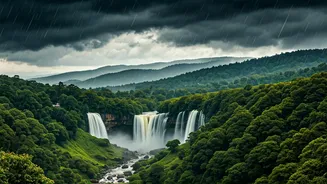
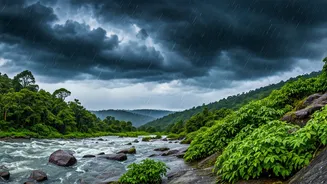
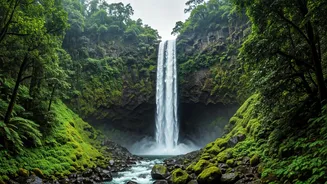
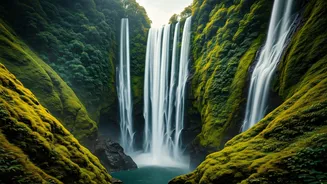
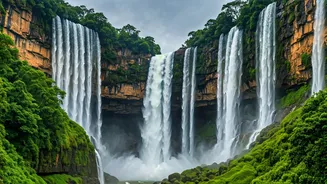
Visiting Mawsynram during the monsoon is a full-body sensory experience. The first thing you notice isn't the sight of the rain, but the sound. It’s not the gentle pitter-patter of a spring shower; it's a constant, percussive roar. Rain hammers on corrugated tin roofs, gushes through bamboo aqueducts, and thunders down hillsides, creating hundreds of temporary waterfalls that weren't there an hour before. The air is thick with mist and the smell of petrichor—the scent of rain on dry earth—is replaced by the permanent, clean aroma of damp soil and lush vegetation. Locals go about their day wrapped in `knups`, intricate body-sized umbrellas woven from bamboo and leaves, making them look like walking, turtle-shelled figures moving through the fog. In Mawsynram, you don’t just watch the monsoon. You hear it, feel it, and breathe it.
Nature's Living Architecture
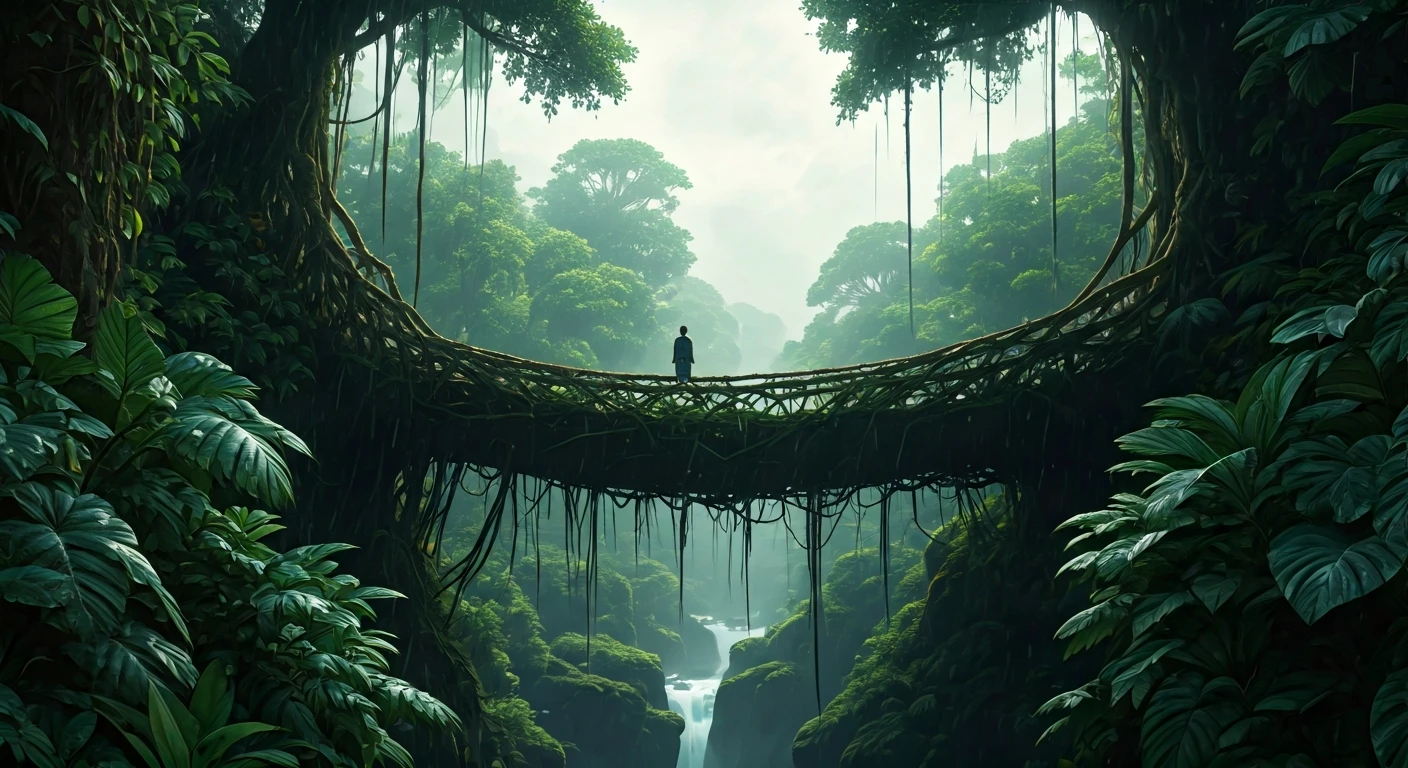
Perhaps the most powerful symbol of Mawsynram’s unique relationship with nature is its living root bridges. In a place this wet, a traditional wooden bridge would rot and wash away within a few seasons. So, for centuries, the indigenous Khasi people have practiced a breathtaking form of bio-engineering. They guide the aerial roots of the Ficus elastica tree (a type of rubber tree) across rivers and gorges, weaving them through hollowed-out bamboo or betel nut trunks. Over decades, the roots grow, strengthen, and intertwine, forming a living, breathing suspension bridge that is stronger than any man-made equivalent. These bridges are self-repairing and can last for over 500 years, becoming more robust with every monsoon. They are a testament not to conquering nature, but to partnering with it—the ultimate flex of human ingenuity and patience.
A Different Kind of Paradise
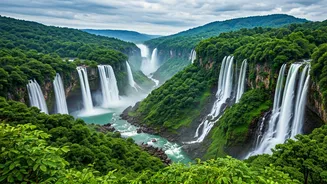
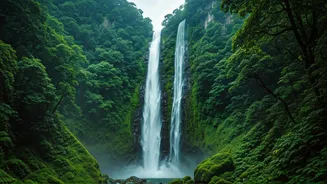
Monsoon travel is often seen as something to be avoided, a logistical nightmare of canceled plans and dreary days. Mawsynram flips that idea on its head. Here, the monsoon is the main event. It’s when the landscape is at its most dramatic and alive. The hills are a surreal shade of electric green, waterfalls cascade from every cliff, and the famous Mawjymbuin Cave becomes a sacred space where water drips from a stalagmite resembling a Hindu lingam. This isn't a trip for sun-seekers. It’s for travelers who crave immersion, who want to witness a place completely defined by a single, powerful element. It’s for those who understand that sometimes, the most beautiful experiences aren’t the ones that are comfortable, but the ones that are truly, wildly awe-inspiring.