



An Escape to a Bygone Era
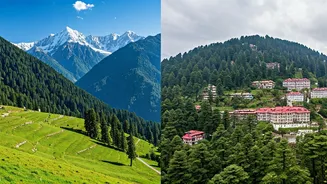
Stepping into Shimla is like walking onto a film set. Perched at over 7,000 feet, this was the official summer capital of British India, a place where colonial administrators fled the scorching plains of Delhi for cooler climes. That legacy is everywhere,
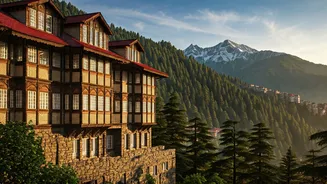
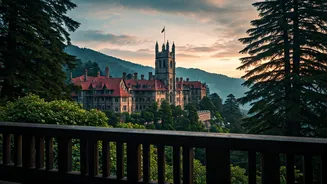
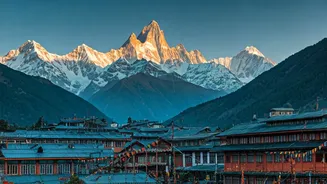
from the neo-Gothic Christ Church on the skyline to the grand Viceregal Lodge, where pivotal decisions about India’s future were made. For American visitors, the atmosphere feels both foreign and faintly familiar, echoing stories of the British Empire seen in countless movies and books. The town’s pedestrian-only artery, Mall Road, is a bustling promenade lined with shops and cafes, all set against a backdrop of half-timbered buildings and stunning valley views. It’s a world away from the usual tourist trail, offering a unique blend of Indian energy and colonial nostalgia.
The Festival on The Ridge
The Shimla Summer Festival, typically held during the first week of June, is the town's cultural centerpiece. It transforms The Ridge, a large open space in the heart of Shimla, into a vibrant stage for the region's artistic soul. This isn't just a tourist performance; it's a genuine community celebration. You’ll find yourself captivated by colorful folk dances from the surrounding villages of Himachal Pradesh, where performers in traditional dress move to the rhythm of ancient drums and flutes. The festival also brings in contemporary acts, from local rock bands to well-known Bollywood singers, creating a fascinating mix of old and new. Food stalls offer a chance to sample Himachali cuisine, like savory *siddu* (steamed bread) and various lentil dishes, while artisans sell hand-woven shawls and intricate wooden crafts. It’s the perfect, lively introduction to the culture of the Himalayas.
Beyond the Festival Crowds
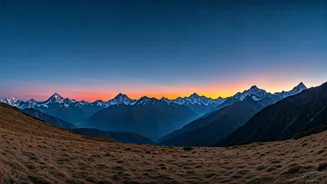
While the festival is the hook, Shimla’s charms extend far beyond the main stage. A must-do is the short but steep trek or cable car ride up to the Jakhoo Temple. Perched on Shimla's highest peak, it's home to a colossal 108-foot-tall statue of the monkey god Hanuman, which gazes out over the snow-capped peaks. Be warned: the temple's resident monkeys are notoriously bold and have a keen eye for unsecured snacks and sunglasses. For a dose of history, take a tour of the aforementioned Viceregal Lodge, now the Indian Institute of Advanced Study. Walking its teak-paneled halls, you can almost hear the echoes of the high-stakes political negotiations that took place within its walls. For a quieter afternoon, simply wander the winding lanes that branch off Mall Road, discovering hidden viewpoints and charming, old-world cottages.
Riding the Himalayan Queen
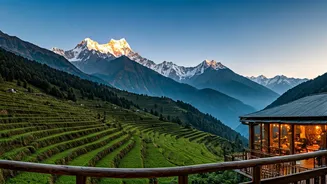
Getting to Shimla can be an adventure in itself, especially if you take the Kalka-Shimla Railway. This narrow-gauge “toy train” is a UNESCO World Heritage site and an engineering marvel. The five-hour journey covers 60 miles, chugging slowly through 102 tunnels, over 864 bridges, and around 919 curves. Forget high-speed efficiency; this is about the romance of rail travel. As the train climbs from the foothills into the mountains, the scenery shifts from lush forests to dramatic gorges and terraced fields. You’ll pass through tiny, storybook stations where vendors sell hot chai and snacks through the windows. It’s a slow-paced, meditative experience that prepares you for the relaxed rhythm of life in the hills and provides some of the most spectacular photo opportunities of the entire trip.
Planning Your Hill Station Getaway
For travelers coming from the U.S., the most common route is to fly into Delhi (DEL). From there, you have a few options. You can take a short domestic flight to Shimla’s small airport (SLV), though flights can be weather-dependent. A more reliable option is hiring a private car for the scenic 7-to-8-hour drive. To experience the toy train, you'd first travel from Delhi to Kalka by car or a comfortable express train, then board the Himalayan Queen. Accommodations in Shimla range from grand heritage hotels that were once colonial manors to cozy guesthouses and modern boutiques. To catch the Summer Festival, plan your visit for early June, but book well in advance as it’s a popular time for domestic and international tourists alike.