
Beyond the Buffet Line
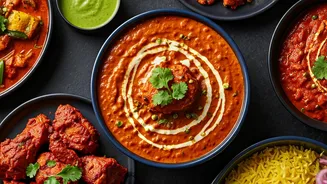
For decades, the story of Indian food in America was a fairly predictable one. It was the all-you-can-eat lunch buffet, a sea of stainless-steel chafing dishes holding chicken tikka masala, saag paneer, and mountains of naan. It was delicious, accessible,
and deeply comforting, but it was also a monolith. This version of Indian cuisine, often derived from North Indian or Punjabi dishes and filtered through a British lens, became the default, flattening a subcontinent’s worth of staggering culinary diversity into a handful of familiar hits. This wasn't the food many Indian-Americans grew up eating at home. Missing were the regional specialties, the hyper-local recipes, and the specific spice blends that defined family meals. The food of home—'ghar ka khana'—was personal and vibrant, while restaurant food was often a generic, cream-laden performance for a Western palate. But that separation is collapsing, thanks to a new generation of chefs and restaurateurs who are refusing to compromise.
The 'Unapologetic' Revolution
Now, a movement is bringing the specificity and soul of home cooking into the spotlight, treating it with the reverence once reserved for French or Japanese cuisine. Perhaps no one embodies this better than restaurateur Roni Mazumdar and chef Chintan Pandya, the duo behind New York City’s wildly successful restaurants Dhamaka and Semma. Their stated mission is to present “unapologetic” Indian food. What does that mean? It means serving dishes rarely seen on U.S. menus, like Dhamaka’s gurda kapoora (goat kidney and testicles) or Semma’s nathai pirattal (snail stir fry). It means celebrating the rustic, the regional, and the real. At these restaurants, there’s no toning down the spice, no apologizing for assertive flavors, and no attempt to make the food conform to pre-existing expectations. The menu reads less like a list of greatest hits and more like a culinary journey through forgotten villages and bustling home kitchens. This isn't just about authenticity; it's about confidence. It’s the radical idea that the food of their heritage is compelling enough to stand on its own, without translation or dilution.
Nostalgia on the Menu
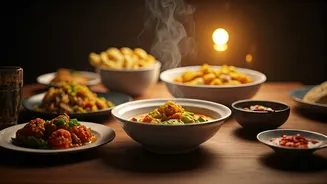
The power of this trend lies in its emotional core: nostalgia. For millions in the South Asian diaspora, 'ghar ka khana' is more than just a meal. It's a sensory link to childhood, family gatherings, and cultural identity. It's the taste of a mother’s love in a bowl of dal, the smell of spices tempering in hot oil, the texture of perfectly fluffy rice. It’s a language of care and connection. By placing these deeply personal dishes on a restaurant menu, chefs are tapping into a powerful collective memory. A simple potato dish isn't just a side; it’s a taste of after-school snacks. A complex fish curry isn't just an entree; it’s a reminder of a grandmother’s secret recipe. For second- and third-generation Indian-Americans, dining at these establishments can feel like a homecoming. It’s a validation of their own lived experience and a way to connect with their heritage on their own terms, in a modern, stylish setting that reflects their own identity—proudly Indian and proudly American.
Defining the 'Fancy Energy'
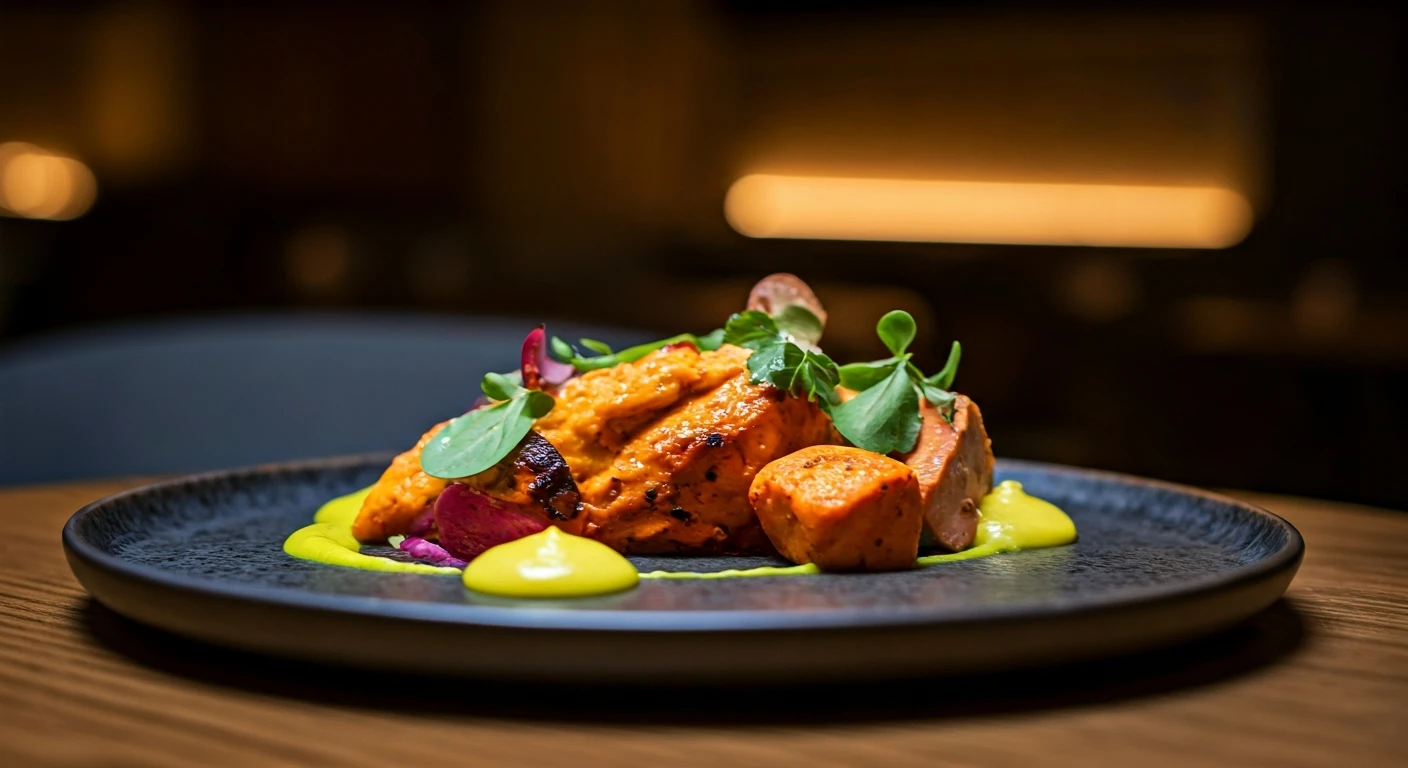
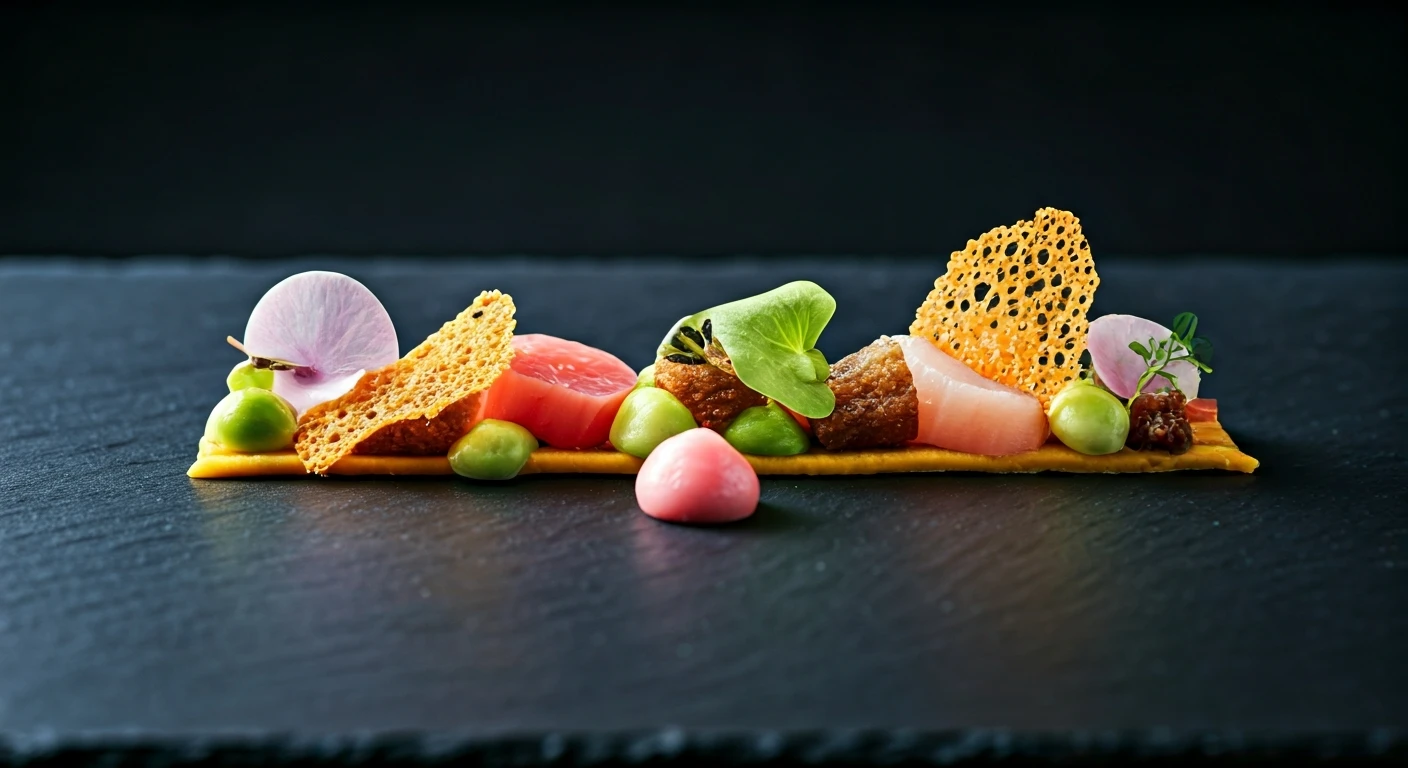
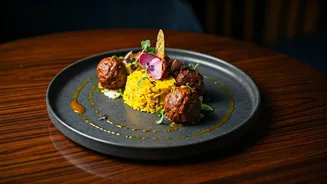
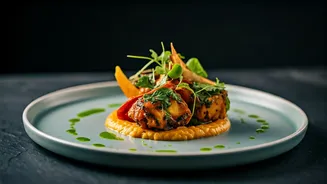
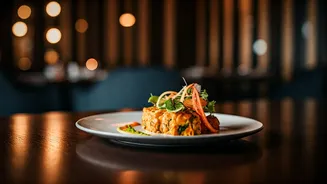
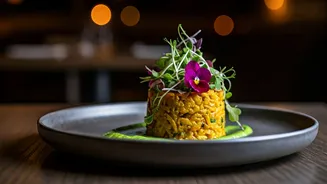
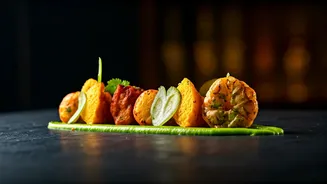
So, what exactly is the “fancy menu energy” in this equation? It’s not about foams, gels, or molecular gastronomy. Instead, the elevation comes from a different set of principles. It’s about obsessive sourcing of high-quality, seasonal ingredients. It’s about the art of storytelling, where each dish comes with a backstory about its regional origins or cultural significance. And it’s about intention in presentation. The 'fancy' part is the pride. It’s plating a rustic goat biryani in a beautiful clay pot with the same care a Michelin-starred chef would plate a filet mignon. It’s designing a dining room that feels cool and contemporary, not like a theme-park version of an Indian palace. It’s the confidence to charge prices that reflect the skill, labor, and quality of the ingredients. This energy transforms home cooking from something humble and private into a public-facing, celebrated art form, demanding respect from the global culinary community.