




The Rejection of the Easy Vacation
For decades, the ideal getaway for many was a synonym for ease: a beach chair, a fruity drink, and a schedule devoid of anything but relaxation. It was a passive experience, a chance to recharge by doing as little as possible. But there’s a growing sentiment
that this model of vacation is no longer cutting it. The “punishing plains” of the headline aren’t just a reference to the geography of Kansas or Nebraska; they’re a metaphor for the monotony of predictable, unchallenging experiences. In the wake of years spent in comfortable, if confining, home environments, a significant number of Americans are now craving the opposite. They’re looking for trips that demand something from them—physically, mentally, and emotionally. The appeal of simply ‘getting away’ is being replaced by the desire to ‘achieve something’ on our precious time off.
The Psychological Pull of the Ascent
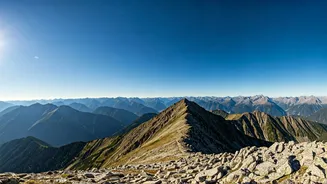
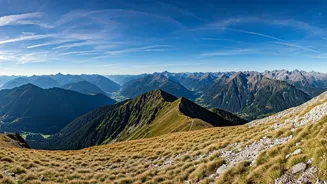
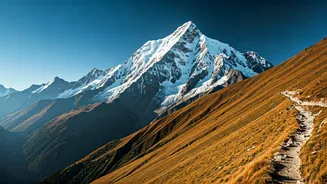
So, why the mountains? The allure is about more than just stunning vistas, though that’s certainly part of it. Climbing a mountain, whether it’s a grueling 14,000-footer in Colorado or a strenuous day hike in the Appalachians, offers a powerful psychological payoff. It’s a simple, linear narrative of progress: you start at the bottom, you struggle, and you reach the top. In a world of ambiguous career paths and complex social dynamics, the mountain offers clarity. The physical exertion releases endorphins, the fresh air clears the mind, and the forced disconnection from screens and emails provides a mental reset that a week by the pool rarely can. This is the world of “Type 2 Fun”—activities that might feel miserable in the moment (cold, tired, out of breath) but become deeply rewarding in retrospect. It’s the feeling of earning the view, a stark contrast to passively consuming it from a tour bus window.
More Than Just National Parks
This trend isn’t confined to epic, week-long excursions to iconic national parks, which have themselves seen record-breaking visitor numbers. The “uphill” mindset is filtering down into shorter trips and even daily routines. We see it in the explosion of climbing gyms in urban centers, turning a once-niche mountain sport into a mainstream workout. We see it in the booming popularity of trail running, which adds an element of rugged adventure to a simple jog. Weekend trips are increasingly centered around bagging a local peak or exploring a state park’s most challenging trails. This shift suggests a broader desire to integrate a sense of adventure and physical accomplishment into life, not just reserve it for a single annual vacation. It’s about finding the ‘uphill’ challenge wherever you can, transforming a local hill into a personal Everest.
Beyond the Instagram Shot
It’s impossible to ignore the role of social media. The iconic, vertigo-inducing shot from an overlook at Zion or the triumphant selfie on a summit has become a new form of travel currency. Platforms like Instagram have undoubtedly fueled the popularity of specific, visually dramatic mountain locations. But to dismiss this trend as purely performative is to miss the bigger picture. For every person who hikes a trail just for the photo op, there are many more who find the process itself to be the real reward. The photo is a memento of the effort, not the reason for it. The satisfaction comes from the grit it took to get there—the sore muscles, the early morning start, the moment you thought you couldn't go any further but did. The screen can’t replicate the feeling of wind on your face or the quiet satisfaction of looking back down the path you just conquered.