




The Land of the Legendary Mango
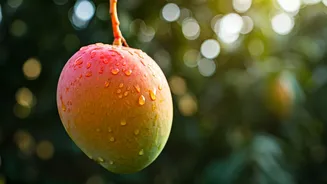
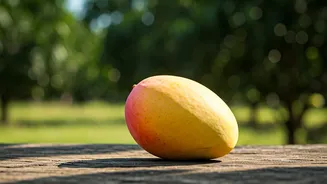
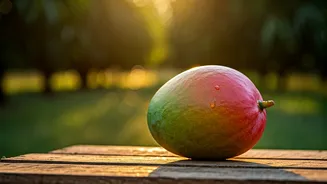
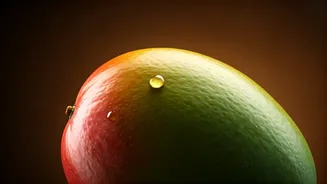
Before we talk about farming, let’s talk about the fruit. Lucknow, the capital of India’s Uttar Pradesh state, is synonymous with the Dasheri mango. This isn’t your average supermarket mango. The Dasheri is a fiberless, meltingly sweet, aromatic variety
with a history stretching back to the 18th century. It’s a cultural icon, a source of regional pride, and the economic backbone for tens of thousands of farmers in what’s known as the “mango belt.” For generations, the orchards here have perfumed the summer air, with their harvest celebrated in poetry and local lore. But this cherished tradition recently found itself at a dangerous crossroads, threatened by the very things affecting agriculture worldwide: climate change, soil degradation, and outdated practices.
An Unsustainable Legacy
For decades, the pressure to increase yields led many farmers down a difficult path. Heavy reliance on chemical fertilizers and pesticides became the norm. While this offered short-term gains, it came at a long-term cost. Soil health declined, water resources were strained, and beneficial insects disappeared. More alarmingly, unpredictable weather patterns—erratic rainfall, intense heat waves, and unseasonal hailstorms—began devastating the delicate mango blossoms, leading to inconsistent and often meager harvests. Farmers were caught in a cycle of spending more on chemical inputs for diminishing returns, while their mangoes struggled to meet the stringent quality standards required for lucrative international markets.
The Milestone: A Quiet Revolution
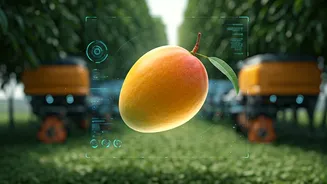
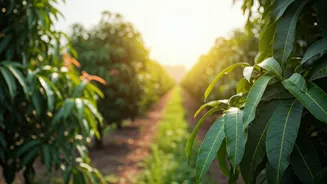
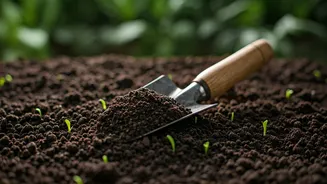
The “massive milestone” isn’t a single event, but a widespread, grassroots transformation. Spurred by agricultural bodies like the Central Institute for Subtropical Horticulture (CISH) and farmer cooperatives, a significant portion of Lucknow’s growers have embraced a suite of sustainable practices. This is a fundamental shift from chemical dependency to ecological balance. Farmers are being trained in integrated pest management, using natural predators and targeted bio-pesticides instead of broad-spectrum chemicals. They are adopting water-saving drip irrigation systems and rejuvenating old orchards by pruning them to allow for better sunlight penetration and air circulation, which naturally reduces fungal diseases. Many are transitioning to organic fertilizers, composting, and cover crops to rebuild the vitality of the soil that gives the Dasheri its unique flavor.
From Local Pride to Global Standard
The results of this sustainable turn are profound. Farmers report healthier trees, more resilient crops, and a significant reduction in input costs. The quality of the fruit has improved, leading to better prices at market. This shift has also unlocked the golden ticket of global trade: certification. By moving away from heavy chemical use, these mangoes can now meet the strict residue limits of European and American markets. Furthermore, the region’s focus on preserving the unique identity of its fruit has been bolstered by the Geographical Indication (GI) tag for the Dasheri mango. Much like “Champagne” from France or “Parmigiano-Reggiano” from Italy, the GI tag protects the name and certifies the origin and quality, preventing imitations and adding immense brand value.