


An Obsession You Can Taste
First, forget everything you think you know about mangoes from an American supermarket. The annual Delhi International Mango Festival, or Aam Mahotsav, is a tribute to a fruit that holds a place in the Indian cultural psyche somewhere between a national treasure
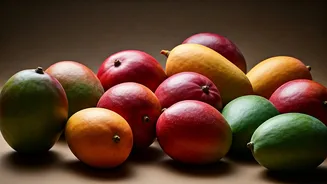
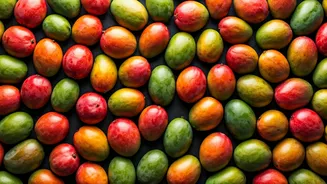
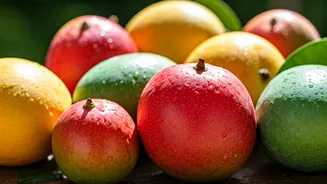
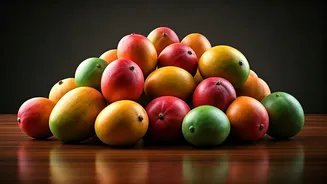
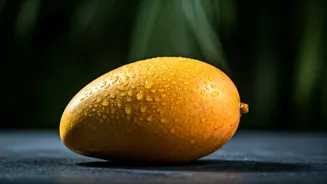
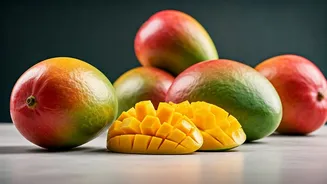
and a seasonal deity. Imagine the fervor of a new iPhone launch combined with the regional passion of a college football rivalry, but centered entirely on a fruit. That’s the energy. For a few days each summer, hundreds of varieties of mangoes—many of which never leave the country—are gathered in one place. Growers from across India present their prized fruit, competing for titles and showcasing a biodiversity that’s staggering to witness. We’re talking about a spectrum of flavors, from honey-sweet to tangy and citrus-tinged, with textures ranging from buttery-smooth to fibrous and juicy. It's less a farmer's market and more a coronation for the undisputed 'king of fruits.'
A Legacy of Mango Mania
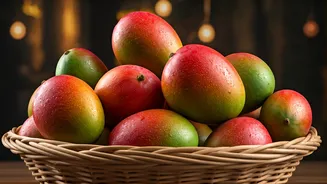
The festival isn't a new fad; it’s been a Delhi fixture for decades, a celebration aimed at boosting mango growers and exports. What’s new is its global, viral reach. The event puts over 500 varieties on display, with names that sound like poetry to enthusiasts: the sweet Dasheri, the fragrant Langra, the regal Chausa. For Indians, these aren't just types of mangoes; they're markers of place, memory, and summer itself. Grandparents have stories about climbing trees to steal the first Kesar mango of the season, and families engage in spirited debates over whether the Alphonso from Maharashtra is truly superior to the Banganapalli from Andhra Pradesh. This deep-rooted cultural significance is the engine behind the festival's legendary status. It’s a sensory link to childhood, home, and the simple, profound joy of a perfectly ripe fruit.
Perfectly Packaged for the 'Gram
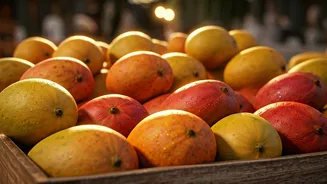
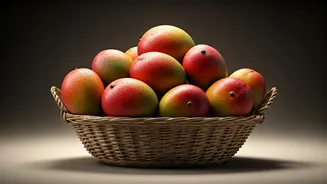
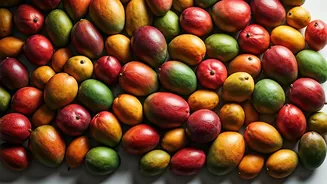
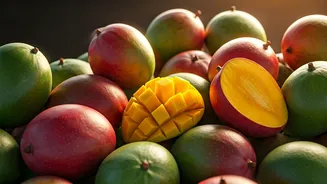
So why is it 'breaking' your feed right now? Because the Delhi Mango Festival is, without trying, a visual content goldmine. Picture this: pyramids of brightly colored mangoes stacked six feet high. Artisans carving intricate designs into mango flesh. Stalls selling every conceivable mango-based product, from mango salsa and mango chutney to the more adventurous mango pizza and mango curry. Then there are the events themselves—mango-eating competitions where participants devour fruit with an abandon that’s both hilarious and impressive. Every corner offers a vibrant, shareable moment. The sheer abundance and kaleidoscopic color palette are perfectly suited for the aesthetics of Instagram and TikTok. In a world of curated beige, the festival’s unapologetic, chaotic vibrancy is a welcome jolt of joy that’s impossible not to 'like' and share.
A Sweet Bridge Between Cultures
While most of us can't just book a flight to Delhi to join the festivities, the viral spread of the mango festival is a delicious example of how food acts as a cultural ambassador. It piques curiosity. An American who sees a reel of someone tasting a dozen different mangoes might be tempted to look beyond the standard Tommy Atkins variety at their local grocery store. Specialty Indian and Asian markets across the U.S. often import prized varieties like Alphonso and Kesar during their short season (typically April through June). The viral trend isn't just creating digital noise; it's creating demand and introducing a wider audience to a richer, more diverse world of flavor. It's a reminder that somewhere, a cultural celebration is happening with so much passion and joy that it spills over borders and onto our screens, inviting us all to take a bite.