



What Is Kokedama, Anyway?
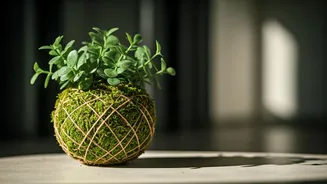
First, a quick primer. Kokedama (苔玉) is a Japanese horticultural art form that translates to “moss ball.” It involves taking a plant, freeing it from its container, and encasing its root ball in a special soil mix, which is then wrapped in a blanket of
sheet moss and secured with string. The result is a self-contained, potless plant that can be displayed on a dish or, more strikingly, suspended in the air. While it has roots in traditional Japanese bonsai practices, its modern interpretation is less about rigid rules and more about creative expression. It’s a bit of gardening, a bit of sculpture, and a whole lot of charm packed into one compact, living object.
The Perfect Small-Space Solution
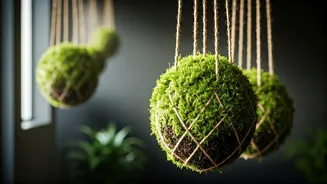
One of the biggest drivers of the kokedama craze is pure practicality. For the millions of Americans living in apartments and smaller homes, floor and shelf space is a precious commodity. Traditional potted plants, while lovely, can quickly lead to clutter. Kokedama elegantly sidesteps this issue. With no bulky pot to worry about, a kokedama can sit neatly on a small tray or decorative plate. Even better, they can be hung from the ceiling or a wall hook, turning an empty vertical plane into a lush, green display. This allows urban gardeners to cultivate an impressive collection without sacrificing a single square foot of living area. In a world of micro-apartments and condo living, kokedama isn’t just beautiful—it’s a brilliant spatial hack.
A Mindful, Hands-On Hobby
Beyond its space-saving benefits, the process of creating kokedama is a huge part of its appeal. In our screen-saturated lives, there’s a growing desire for tactile, analog hobbies that engage our hands and quiet our minds. Making a kokedama is a deeply sensory experience. It involves mixing soil, feeling the coolness of the moss, and methodically wrapping the string. It’s messy, meditative, and requires focus. This hands-on ritual provides a welcome escape from digital notifications and daily stressors. For many, the hour spent crafting a new kokedama is a form of active mindfulness, a chance to connect with a natural material and create something beautiful with their own two hands. It's a therapeutic counterpoint to the fast pace of city life.
Living, Breathing Art
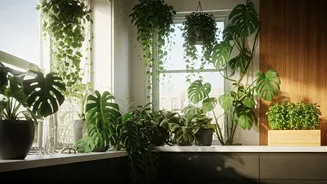
Let’s be honest: kokedama just looks incredibly cool. It taps directly into several dominant design trends, including minimalism, wabi-sabi (the Japanese aesthetic of embracing imperfection), and biophilia (the idea that humans have an innate need to connect with nature). A kokedama isn't just a houseplant; it’s a living sculpture. Each one is unique, shaped by the creator's hands and the specific plant it holds. A string of them hanging in a window creates a floating garden. A single, dramatic specimen on a coffee table serves as a conversation-starting centerpiece. This fusion of nature and art allows people to personalize their spaces in a way that feels both organic and highly curated. It satisfies the impulse to decorate and the need to nurture all at once.