



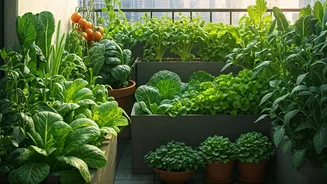


Redefining the Perfect Garden
For generations, the ideal residential garden has been a monoculture of aesthetics: flawless lawns bordered by purely ornamental flowers. While there’s undeniable joy in a bed of prize-winning roses or a riot of zinnias, this approach overlooks a garden's
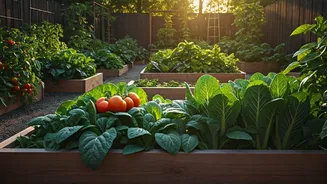
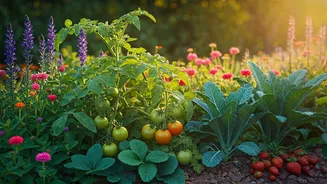
deeper potential. The modern garden can be a place of beauty, biodiversity, and bounty—all at once. The concept, often called “foodscaping” or “edible landscaping,” isn’t about ripping out your petunias to plant rows of corn. Instead, it’s about thoughtfully integrating edible plants among your ornamentals. Imagine the deep purple foliage of an eggplant nestled next to the silvery leaves of dusty miller, or the brilliant red stems of Swiss chard providing a stunning border that you can also harvest for dinner. This approach creates a landscape that’s more sustainable, more interactive, and ultimately, more rewarding.
Beauty You Can Eat
One of the biggest misconceptions is that vegetable gardens are inherently less attractive than flower gardens. This couldn't be further from the truth. Many edible plants are chosen by landscape designers for their striking visual qualities alone. The key is to think like a designer, focusing on color, texture, and form. Instead of a utilitarian patch, weave edibles into your existing beds. Use herbs like creeping thyme as a fragrant, flowering groundcover. Plant a row of feathery carrot tops to create a soft, delicate border. Let a vining plant like a ‘Scarlet Emperor’ runner bean climb an ornamental trellis, where it will produce brilliant red flowers followed by delicious beans. The architectural leaves of an artichoke plant can serve as a dramatic focal point in any sunny border, rivaling traditional statement plants. By choosing varieties for their visual appeal, you get a double dividend: a gorgeous garden and a fresh, flavorful harvest just steps from your kitchen door.
Five Easy Edibles for Ornamental Appeal
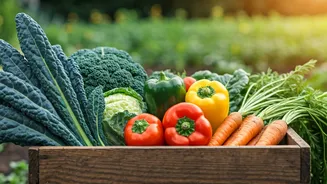
Ready to get started? You don't need to be a master gardener. Many of the most beautiful edibles are also surprisingly low-maintenance. Here are a few reliable choices to integrate into your sunny flower beds or containers: 1. **Rainbow Swiss Chard:** With stems in brilliant shades of red, yellow, pink, and orange, this vegetable is a showstopper. Use it as a season-long source of color in a border, where its large, glossy leaves create a lush backdrop for other flowers. 2. **Nasturtiums:** These are the ultimate dual-purpose plant. They produce cheerful, often jewel-toned flowers and round, lily-pad-like leaves. Every part of the plant is edible—flowers, leaves, and seed pods—with a peppery flavor perfect for salads. They happily trail over the edges of pots or fill in gaps in a border. 3. **Flowering Herbs:** Plants like rosemary, lavender, chives, and borage produce beautiful flowers that are beloved by pollinators. Chives offer spiky texture and purple puffball flowers, while the brilliant blue, star-shaped flowers of borage are edible and look stunning floated in a summer drink. 4. **‘Bright Lights’ Kale:** Forget its humble reputation. Varieties of kale and other brassicas offer incredible texture and color. The frilly, blue-green or deep purple leaves look fantastic well into the fall, providing a striking contrast to softer-textured plants. 5. **Ornamental Peppers:** Available in a dazzling array of colors—from deep purple and near-black to vibrant shades of red, yellow, and orange—these compact plants produce small, spicy fruits that look like jewels scattered among the leaves. They are perfect for pots or the front of a border.
Perfect for Patios and Small Spaces
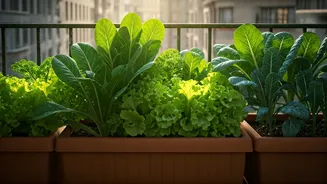
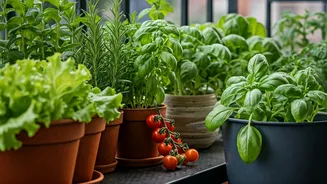
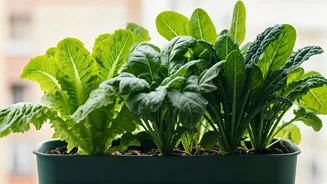
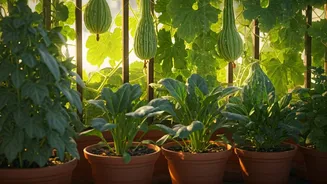
You don't need a sprawling yard to create an edible oasis. Container gardening is an excellent way to grow food, and the design principles are the same. A large pot on a sunny patio can become a miniature ecosystem of beauty and flavor. Try the “thriller, filler, spiller” method: use a tall, upright plant like a determinate tomato or a rosemary topiary as the “thriller” (focal point). Add “fillers” like colorful leaf lettuce, basil, and marigolds around it. Finally, let a “spiller” like trailing nasturtium or oregano cascade over the edge of the pot. Not only will this arrangement look stunning all summer, but it will also provide you with fresh ingredients for salads, sauces, and cocktails right outside your door.