




1. Regrow an Endless Supply of Greens
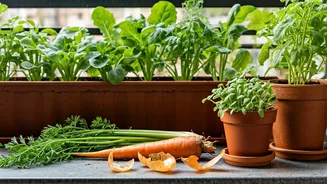
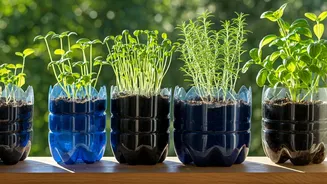
The easiest and most rewarding way to use scraps is to turn them back into food. Many vegetables are eager to regrow from their base. The best candidates for this instant-gratification project are scallions, green onions, leeks, and romaine lettuce. Simply
place the root end (the white part you’d normally discard) in a shallow glass of water, leaving the top exposed to air. Put it on a sunny windowsill, change the water every couple of days, and within a week you’ll see fresh green shoots emerge. Once they’re a few inches long, you can snip them off for cooking and they’ll continue to grow. For a more robust plant, you can transfer the rooted base to a small pot of soil.
2. Brew a Nutrient-Rich 'Scrap Tea'
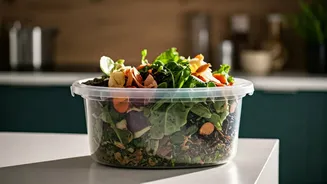
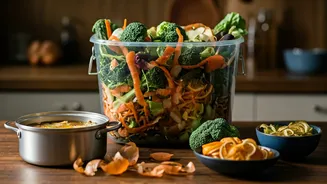
Think of this as a vitamin-packed smoothie for your plants. A “scrap tea” is a liquid fertilizer made by steeping vegetable scraps in water. It’s an excellent way to extract water-soluble nutrients like potassium and nitrogen without the commitment of a full compost bin. To make it, collect clean, non-oily vegetable trimmings—think carrot peels, spinach stems, potato skins, and wilted lettuce. Avoid using anything from the onion or citrus family in large quantities, as they can be too acidic. Place the scraps in a large jar or bucket, cover them with water, and let it steep for three to five days, stirring occasionally. The water will turn a light brown. Strain out the solids (which can now be composted or discarded) and dilute the resulting “tea” with an equal amount of fresh water before using it to water your plants. Use it about once every two weeks during the growing season.
3. Create a 'Chop and Drop' Mulch
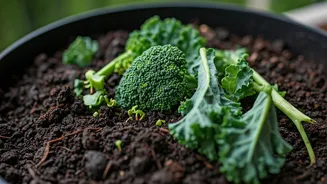
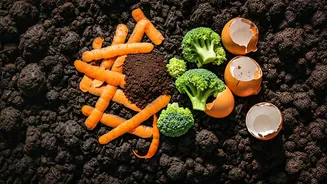
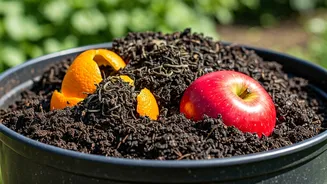
The “chop and drop” method is a simple way to return organic matter directly to the soil, where it acts as a natural mulch and slow-release fertilizer. It helps retain moisture, suppress weeds, and enrich the soil as it decomposes. Good candidates include banana peels (a great source of potassium), coffee grounds (adds nitrogen), and crushed eggshells (adds calcium). Just be sure to prepare them correctly. Chop banana peels into small pieces to speed up decomposition. Allow coffee grounds to dry out first to prevent mold. Rinse and crush eggshells into a fine powder to make the calcium more readily available for the plants. Sprinkle a thin layer of these materials around the base of your plants, gently working them into the top inch of soil. Don’t overdo it—a little goes a long way.
4. Consider a Small-Scale Compost System
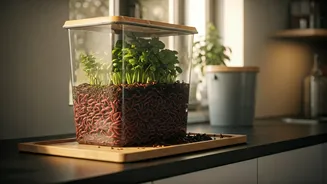
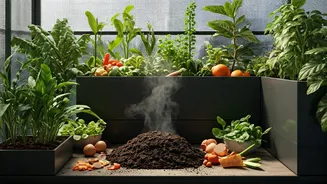
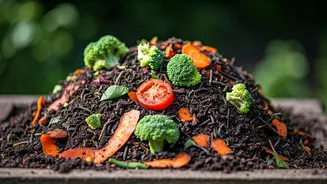
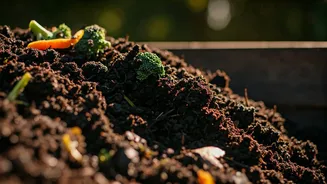
If you're ready to level up, a dedicated composting system is the most efficient way to turn a wide variety of kitchen waste into “black gold” for your garden. For a balcony, traditional compost piles are out, but compact alternatives are perfect. A worm bin, or vermicomposter, is a highly effective and odor-free option that uses red wiggler worms to break down food scraps into nutrient-dense castings. Another popular method for small spaces is a bokashi bin, which uses an anaerobic fermentation process to pickle and pre-compost your waste. These systems require a bit more research and setup but provide a continuous supply of incredibly rich fertilizer that will make your container garden thrive.
5. Know What to Avoid
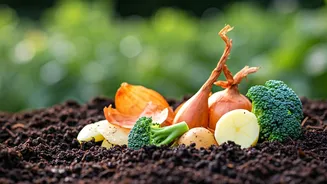
Not all scraps are created equal. Adding the wrong things to your soil or compost can attract pests, create foul odors, and even harm your plants. As a general rule for any of these methods, steer clear of meat, fish, and dairy products, as they will rot and attract vermin. Avoid oily or greasy foods, which can disrupt the soil’s moisture balance and harm beneficial microorganisms. Finally, never use scraps from diseased or pest-infested plants, as you risk transferring the problem to your healthy balcony garden. Stick to raw vegetable and fruit trimmings, eggshells, and coffee grounds for the best and safest results.