






An Engineering Marvel on a Grand Scale
The numbers behind the Kalka-Shimla Railway sound like something from a storybook. Over its 60-mile journey, the narrow-gauge train negotiates more than 900 curves, crosses over 800 bridges, and passes through 103 tunnels. The most famous of these, Tunnel
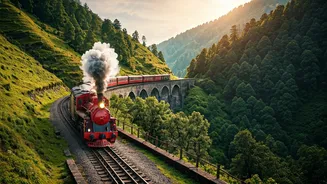
No. 33, is rumored to be haunted by the ghost of the British engineer who oversaw its construction. The '100 bridges' from the headline is a modest understatement; the route is a testament to the audacity and skill of engineers in the late 19th century. Built under the direction of Herbert Septimus Harington, the line was completed in 1903 to connect Shimla, the summer capital of British India, with the northern plains. Its primary purpose was to provide a comfortable, albeit slow, journey for colonial administrators escaping the searing summer heat. Today, it stands as a living museum of railway engineering.
More Than a Train, A UNESCO Treasure
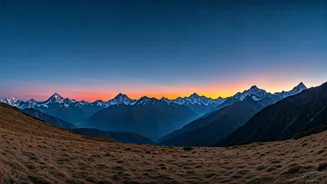
In 2008, UNESCO added the Kalka-Shimla Railway to its list of World Heritage Sites, recognizing it as an 'outstanding example of a hill passenger railway.' The designation isn't just for the tracks and tunnels, but for the entire ecosystem it represents. The journey begins in the town of Kalka at an elevation of about 2,100 feet and slowly ascends to Shimla, nestled at over 7,000 feet. Along the way, the scenery transforms dramatically, from rolling foothills dotted with small villages to dense forests of pine and deodar. The train’s deliberately slow pace—it averages just 15 miles per hour—is part of its charm. It forces passengers to disconnect from modern hurry and engage with the world outside their window, from vendors selling chai and snacks at quaint, colonial-era stations to the breathtaking vistas of the Himalayan landscape.
A Comeback Story Against the Elements
The return of the 'toy train' is a story of resilience. In the summer of 2023, the state of Himachal Pradesh was battered by catastrophic monsoon rains, triggering widespread landslides and flash floods. The historic Kalka-Shimla line was devastated. Tracks were washed away, bridges were damaged, and sections of the railway were left hanging precariously in mid-air. For months, the beloved train was silent. Its closure was not only a blow to tourism but also to the local communities that rely on it for transport. Indian Railways undertook a monumental restoration project, working in challenging mountain conditions to rebuild the line. The full resumption of service isn't just a logistical victory; it's a symbol of recovery and a testament to the railway's enduring importance to the region.
The Irresistible Charm of Slow Travel
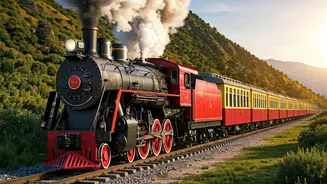
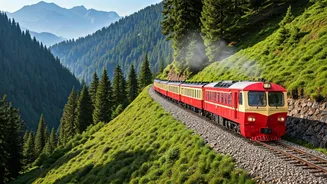
For the modern traveler, a ride on the Kalka-Shimla railway is an antidote to the blur of high-speed life. There is no Wi-Fi, no onboard entertainment system—the entertainment is the journey itself. The small, brightly colored carriages, which give the train its 'toy' nickname, clatter and sway as they navigate the tight curves. Passengers lean out of windows to capture photos of the train snaking around a bend, its front visible from the rear carriages. It's a shared, communal experience. Strangers become friends over the ten-hour trip, swapping stories and pointing out sights. In a world obsessed with getting from A to B as quickly as possible, the toy train makes a compelling case for savoring the in-between.