


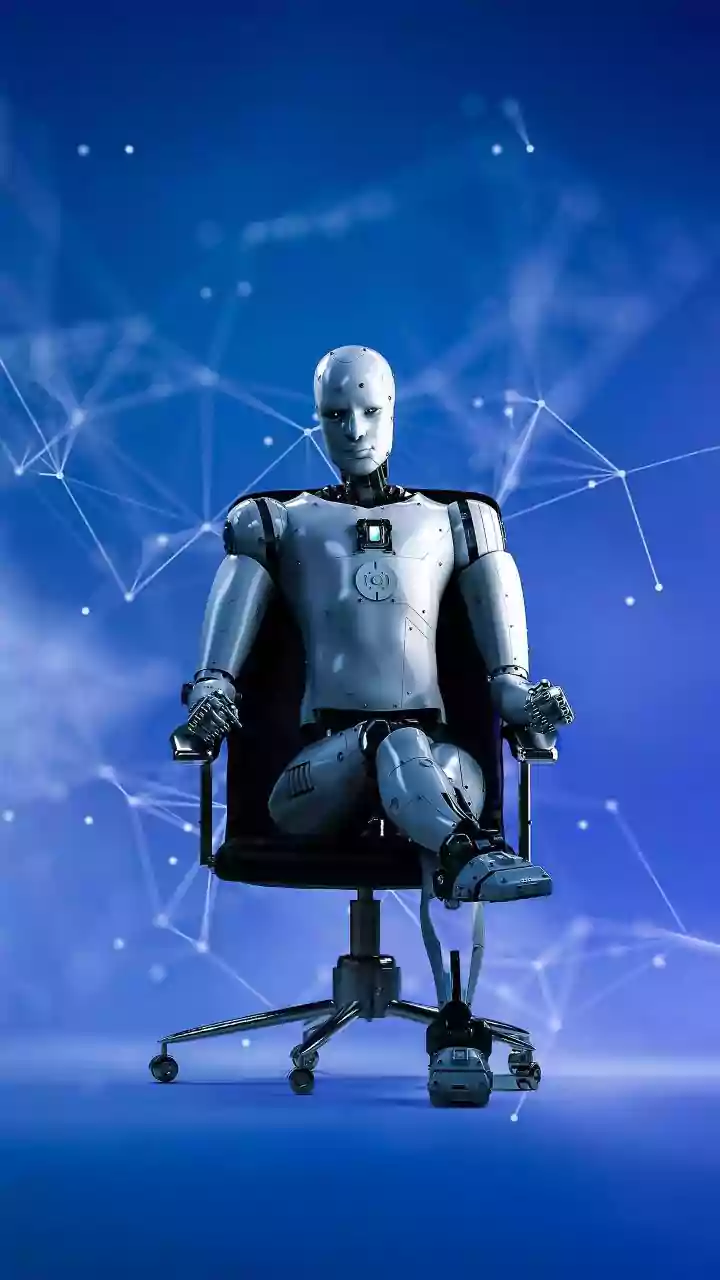






The 'ChatGPT Moment' Made It Real
For decades, artificial intelligence was an abstract concept for most people, confined to sci-fi movies and academic labs. Then, in late 2022, ChatGPT arrived. For the first time, tens of millions of people could interact with a powerful AI through a simple
chat window. It could write emails, debug code, draft marketing copy, and even pen poetry. This was the turning point. AI was no longer a theoretical idea; it was a practical, accessible, and slightly intimidating tool. This widespread, hands-on experience created a sudden and massive public appetite for understanding. People weren't just curious anymore; they saw a technology that could directly impact their daily work and lives, sparking an urgent desire to learn how to use it, control it, and compete with it.
Companies Face a Massive Skills Gap
While the public was having its AI awakening, corporate America was having a panic attack. Business leaders saw the productivity gains and competitive advantages offered by AI, but they quickly realized their workforces were not prepared. A recent report from the consulting firm PwC found that while many executives are bullish on AI, a significant percentage worry about their employees' skills to actually implement and manage it. It's no longer enough to hire a handful of AI specialists. Companies now need 'AI-literate' employees across all departments—marketing, sales, finance, HR—who can use AI tools to work smarter. This has created a frantic scramble for corporate training programs and a hiring market that heavily favors candidates with demonstrated AI skills, turning AI education from a 'nice-to-have' into a core business imperative.
The Career Anxiety Is Real
The flip side of corporate demand is individual anxiety. News headlines are filled with talk of AI automating jobs, from copywriting and graphic design to legal analysis and software development. This has fueled a widespread fear of being left behind. For millions of professionals, upskilling in AI is no longer about ambition; it's about survival. They are proactively enrolling in online courses, certificate programs, and workshops to future-proof their careers. This isn't just about becoming an AI developer. It's about a marketing manager learning to use AI for campaign analysis, a lawyer using it for document review, or a project manager using it for resource allocation. The explosion in AI education is as much a defensive career move as it is an offensive one, driven by a powerful desire to remain relevant in a rapidly changing job market.
Education Is Finally Catching Up
The education industry, often criticized for its slow pace of change, has responded to this surge in demand with surprising speed. Online learning platforms like Coursera, edX, and LinkedIn Learning have seen exponential growth in enrollment for AI-related courses. Coursera, for instance, reported millions of enrollments in its generative AI courses within months of their launch. At the same time, top universities are weaving AI into their core curricula. Institutions like MIT, Stanford, and Carnegie Mellon are not just offering advanced AI degrees; they are launching interdisciplinary programs and even mandating basic AI literacy courses for all students, regardless of their major. This dual-front response—nimble online platforms providing immediate, accessible training and traditional universities building long-term, foundational knowledge—has created a rich and varied educational ecosystem that simply didn't exist at this scale before.