





Meet the Magical Monsoon Lily
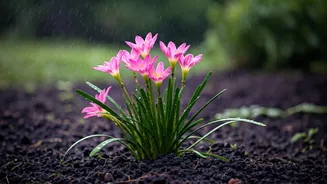
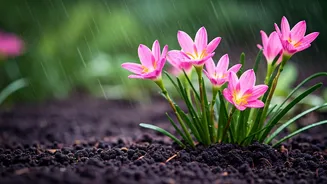
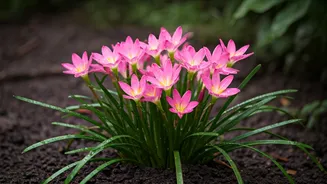
First, let's get acquainted. The flowers often called “Monsoon Lilies” are more commonly known in the U.S. as Rain Lilies or Zephyr Lilies. Belonging to the *Zephyranthes* genus, these small, bulb-forming perennials are native to the Americas. Their claim
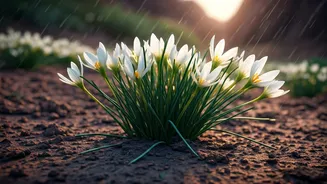
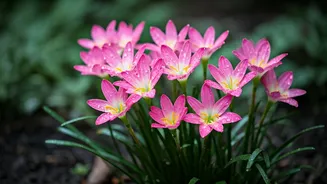
to fame is their fascinating habit of bursting into bloom almost immediately following a significant rainfall, especially after a dry spell. This near-instant floral gratification is what gives them their romantic, weather-related names. The flowers, which look like delicate crocuses, pop up on slender stems and come in shades of white, buttery yellow, and a range of soft to vibrant pinks. They are, simply put, nature’s most beautiful surprise party.
The Perfect Plant for Small Spaces
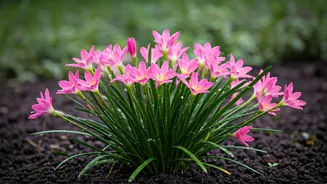
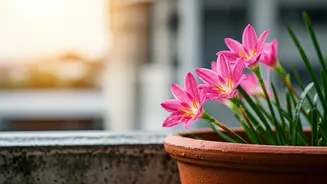
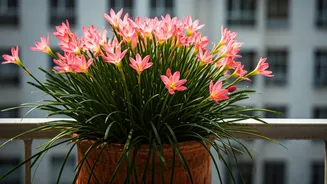
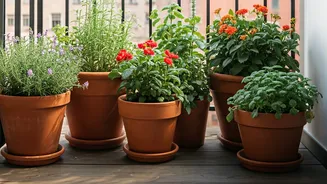
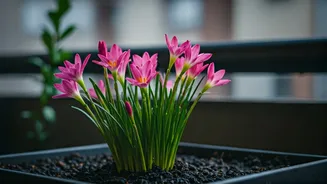
If you’ve ever felt your balcony or patio was too small for a real garden, the Rain Lily is here to prove you wrong. These plants are ideal container candidates for several reasons. Their root systems are compact, and they thrive when planted closely together, which creates the dense, “fragrant riot” effect the headline promises. Unlike sprawling petunias or towering sunflowers, their foliage is a neat, grass-like tuft that remains attractive even when the plant isn't blooming. They aren't fussy, don't require constant pruning, and are generally resistant to pests. This low-maintenance, high-reward profile makes them an excellent choice for both beginner gardeners and seasoned experts looking to add effortless charm to a small space.
Gathering Your Supplies
Getting started is simple. First, you'll need bulbs. You can find *Zephyranthes* bulbs at many local garden centers in spring and fall, or order them from online bulb specialists for a wider variety of colors. For a 10-to-12-inch pot, you’ll want at least 15-20 bulbs to get a full look. Next, choose your container. A terracotta pot, a window box, or any planter with excellent drainage holes will work perfectly. Good drainage is non-negotiable, as bulbs will rot in soggy soil. Finally, get a bag of standard potting mix. You don't need anything fancy, but a mix designed for cacti or succulents, or a regular mix amended with some sand or perlite, will provide the sharp drainage these lilies love.
Planting for a Lush Display
Now for the fun part. Fill your chosen container with potting mix, leaving a few inches at the top. Place the bulbs, pointed-end up, about one to two inches deep and just one to two inches apart. Yes, that close! Crowding them encourages competition that results in a more dramatic, unified bloom. Think of it as planting a living bouquet. Once the bulbs are in place, cover them with soil and water them thoroughly once to settle everything in. Place the pot in a location that receives at least six hours of direct sunlight per day. More sun equals more energy for building those beautiful blooms.
The Secret to Summoning Blooms
Here is the key to mastering your Rain Lilies: they bloom in response to water after a period of dryness. You can mimic this natural cycle to command a performance. After their initial planting, let the soil dry out. For the rest of the season, water them sparingly, maybe once every week or two, letting the soil get quite dry between waterings. Then, when you want to trigger a bloom—perhaps before you have guests coming over—give the pot a deep, thorough soaking, simulating a summer downpour. Within a few days to a week, you should see slender flower stalks emerge, quickly followed by a stunning display of color. This “drought and drench” cycle is the secret handshake that unlocks their magic.