



The Suffocating Stillness
Summer on the Great Plains has a unique intensity. It’s not just the number on the thermometer creeping toward triple digits; it’s the sheer, unyielding weight of the atmosphere. The heat radiates upwards from the asphalt and downwards from a vast, cloudless
sky. The air, thick with humidity, feels like a wet blanket you can’t shrug off. Life slows to a crawl, dictated by the drone of air conditioning units. The outdoors becomes a no-go zone between 10 a.m. and 7 p.m., a landscape to be crossed as quickly as possible from one climate-controlled box to another. The world shimmers in a hazy mirage, and the dominant sounds are the hum of electricity and the cicadas’ relentless buzz—a soundtrack to static, sweltering patience.
Nature's Air Conditioner
The magic of mountain air isn’t just a feeling; it’s physics. The primary reason for the cool-down is something called the environmental lapse rate. As you go up in elevation, air pressure decreases. This allows the air to expand, a process which expends energy and causes it to cool down. On average, the temperature drops about 3.5°F for every 1,000 feet you climb. So, while it might be a blistering 98°F in Denver (elevation 5,280 feet), it could easily be a pleasant 77°F in a town at 11,000 feet. Furthermore, mountain air is thinner and typically holds far less water vapor. This low humidity means sweat actually does its job, evaporating off your skin and cooling you down effectively. In the humid plains, sweat just clings, offering little to no relief. The thinner atmosphere also scatters less sunlight, making the shade feel dramatically cooler and more profound.
The Mountain Air Experience
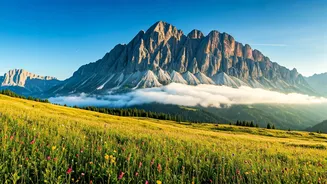
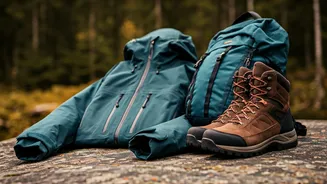
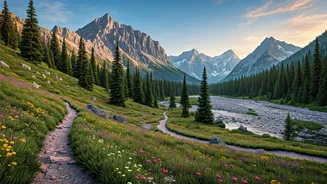
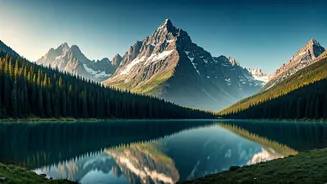
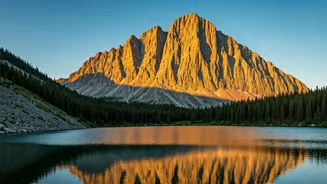
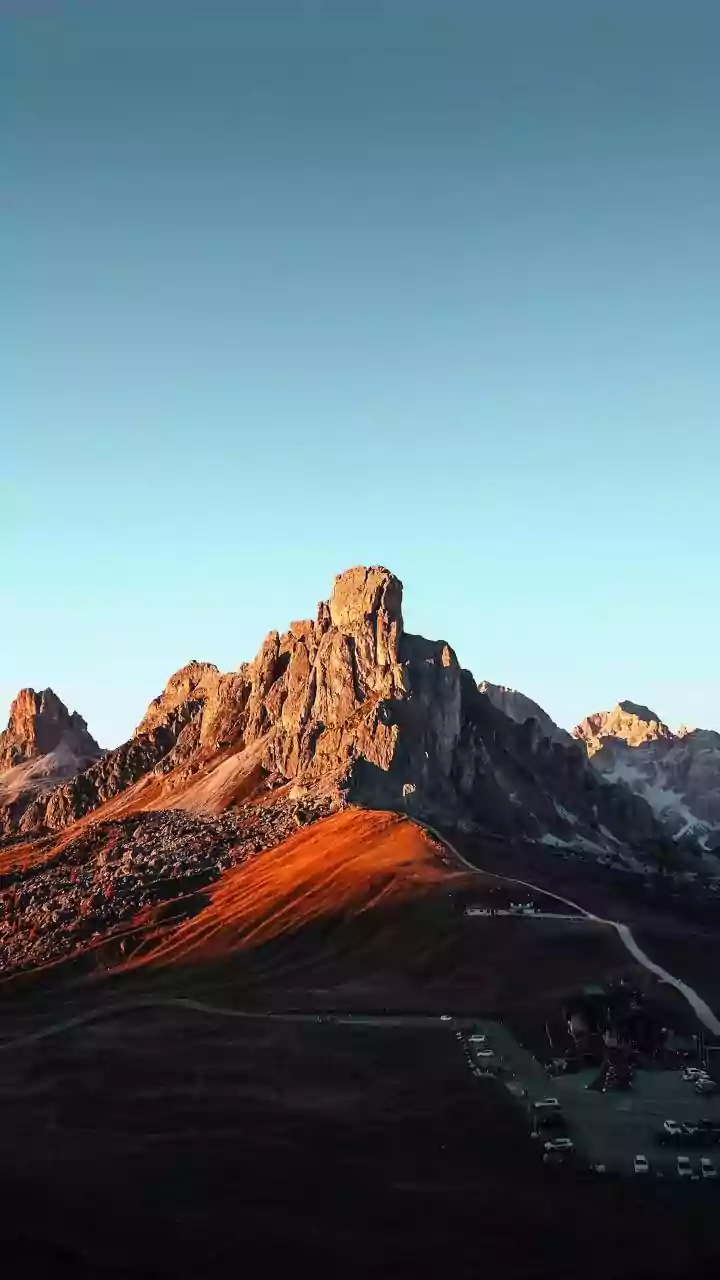
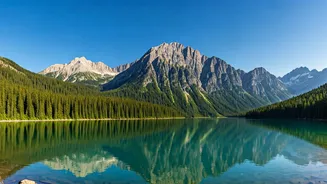
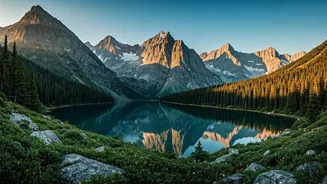
Step out of a car in the Rockies or the Sierras on that same summer afternoon, and the change is immediate. The air is crisp and light. A deep breath doesn’t feel like an effort; it feels like a reward, scented with pine and damp earth. Even under a strong sun, the experience is entirely different. The heat is direct but clean, and stepping into the shade of an aspen grove or a towering ponderosa pine provides instant, refreshing coolness. A gentle breeze, channeled by the topography, is a constant companion. You can spend the entire day outside—hiking a trail, fishing in a cold stream, or simply reading a book on a porch—without feeling drained and defeated. As evening approaches, the real treasure reveals itself. The temperature plummets, demanding a fleece jacket or a seat by a crackling fire pit. It’s a summer that allows for layers, for contrast, for the simple joy of pulling on a warm sweater at night.
Beyond the Thermometer
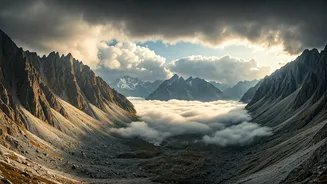
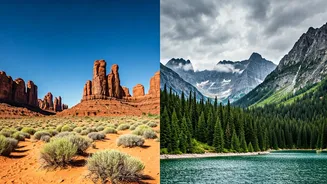
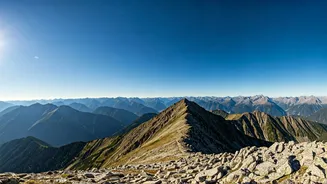
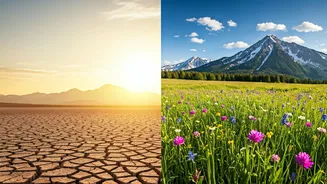
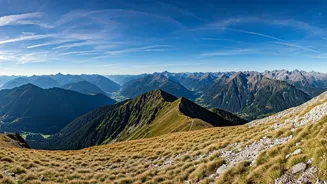
The competition between plains heat and mountain air isn’t just about degrees. It’s a battle for the senses and the soul. The plains summer often confines and contracts our world, forcing us indoors. The mountains, in contrast, invite us out and expand our horizons—literally. The psychological effect of trading a flat, shimmering horizon for a jagged, majestic skyline is powerful. The uniform drone of the plains is replaced by the dynamic sounds of wind whistling through pines, a distant waterfall, or the call of an elk. Activities shift from passive endurance to active engagement. The relief isn't just physical; it’s mental. It’s the freedom from the oppressive, monotonous heat and the invitation to move, explore, and breathe deeply in an environment that feels energizing rather than depleting.