




Beyond the Plate: The Search for Story
For previous generations, a premium food product was defined by its taste, its scarcity, or a legacy brand name. Today, especially for Millennials and Gen Z, a new ingredient has become essential: the story. This isn't just a marketing gimmick; it's a fundamental
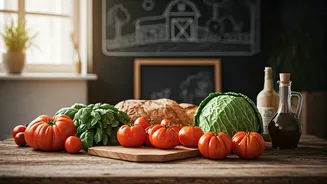
shift in what makes food valuable. The “backstory” encompasses everything from the agricultural practices used to grow the ingredients to the ethical standards of the company and the personal journey of its founder. Consumers want to know the provenance of their heirloom tomatoes, the name of the farmer who raised their chicken, and whether the company making their oat milk is a B Corp. This desire for transparency transforms a simple transaction into a connection. A block of cheese stops being a generic dairy product and becomes a testament to a small family creamery’s multi-generational craft.
From Farm-to-Table to Farm-to-Phone
Technology and social media are the engine of this movement. While the farm-to-table concept laid the groundwork, the farm-to-phone reality has scaled it. A simple QR code on a bag of coffee can now transport a consumer to a video of the Guatemalan highlands where the beans were harvested. An Instagram account for a regenerative farm can offer daily updates on crop health and soil regeneration, creating a sense of participation and intimacy that was previously impossible. Brands that master this digital storytelling win. They don't just sell a product; they invite customers into a world. This digital transparency acts as a verification system, allowing consumers to feel confident that a brand’s claims of sustainability or ethical sourcing are more than just words on a package. The story has to be authentic, and in the digital age, it has to be verifiable with a quick scroll or tap.
The Economics of a Good Narrative
This isn’t just a feel-good trend; it’s a powerful market force. Young consumers consistently demonstrate a willingness to pay more for products that align with their values. A study from the Food Institute noted that Gen Z, in particular, prioritizes sustainability and is more likely to purchase from brands that reflect their personal ethics. This has created a two-tiered marketplace. On one side, you have commodity products that compete on price and convenience. On the other, you have story-driven products that compete on connection, values, and authenticity. For small-batch, artisanal, and mission-driven companies, a compelling backstory is their greatest competitive advantage against corporate giants. It allows them to command a premium price not for the product itself, but for the trust, transparency, and sense of belonging that come with it. In short, a good story is good business.
Not Just Virtue, But Identity
Ultimately, the hunger for a backstory is about more than just ethics—it’s about identity. In an increasingly globalized and digital world, people are seeking anchors of authenticity. The food we choose to buy, prepare, and share has become a powerful form of self-expression. Supporting a local baker, buying regeneratively farmed beef, or choosing a snack brand founded by immigrants isn't just a consumer choice; it's a statement. It says, “This is what I care about. This is who I am.” Sharing these finds on social media further cements this identity, turning food choices into cultural currency. It’s a way of curating a personal brand that values craft, community, and consciousness over mass production. The food isn't just nourishing the body; it's building a sense of self.