




First, What Is El Niño Anyway?
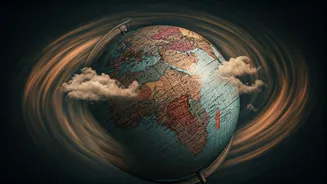
Before we dive into travel plans, let’s demystify the term. El Niño isn't a storm; it's a naturally occurring climate pattern. Think of it as a giant, slow-motion redistribution of heat in the tropical Pacific Ocean. Normally, trade winds push warm surface
water from South America toward Asia. During an El Niño year, these winds weaken or even reverse. This allows a massive patch of warm water to build up in the central and eastern Pacific. Why does this matter? The ocean is the engine of our atmosphere. Extra heat in one part of the world’s largest ocean has powerful, cascading effects on air pressure, wind, and rainfall across the globe. It can lead to droughts in some places and floods in others, effectively rejiggering the planet's weather map for a year or two. So when you hear meteorologists talk about El Niño, they're talking about this fundamental shift that sets the stage for more extreme or unusual weather.
The Real Impact on Monsoon Season
Here’s where it gets counterintuitive. While “riskier” might make you picture non-stop torrential downpours and biblical floods, El Niño’s effect on many classic monsoon destinations is often the opposite. For major parts of South and Southeast Asia, including India, Thailand, and Vietnam, El Niño is historically linked to a *weaker* and drier monsoon season. The same atmospheric shifts that warm the eastern Pacific tend to suppress the conditions needed for heavy rainfall in that region. This doesn't mean your trip is risk-free—it just changes the nature of the risk. Instead of daily deluges, you might face prolonged heatwaves and higher-than-average temperatures. Water shortages can become an issue, and the haze from regional fires can worsen. Conversely, other parts of the world, like East Africa, Peru, and even California and the U.S. Southwest, can experience significantly *wetter* conditions during an El Niño. The key takeaway is that El Niño doesn’t create one universal weather problem; it creates different regional challenges.
Don't Cancel Your Trip—Plan Smarter
The feeling of risk is valid, but canceling a long-awaited trip based on the mere mention of El Niño is an overreaction. The most powerful tool against weather anxiety is information and preparation. Monsoon travel has always been about embracing a degree of unpredictability, and El Niño just adds one more variable to the equation. Instead of scrapping your plans, use the knowledge of its potential effects to travel more intelligently. This means shifting your mindset from fearing the weather to preparing for its possibilities. If you're headed to a region prone to weaker monsoons and heat, your preparation will look different than if you're going somewhere that might see more rain. It’s less about avoiding the monsoon entirely and more about understanding the specific flavor of weather your destination is most likely to experience this year.
Your Monsoon Season Travel Checklist
A little planning goes a long way. Here’s how to adapt your travel strategy in an El Niño year: 1. **Get Specific with Forecasts:** Don't just watch the national news. As your trip approaches, look at detailed regional forecasts for the specific provinces or states you'll be visiting. Weather can vary dramatically even within one country. 2. **Pack for Possibilities:** This is more crucial than ever. For a potentially drier, hotter Asian monsoon, this means more lightweight, breathable clothing, a high-SPF sunscreen, a reusable water bottle to stay hydrated, and perhaps a face mask for potential haze. For a wetter U.S. Southwest trip, it means waterproof layers, sturdy footwear, and a flexible itinerary. 3. **Confirm Your Travel Insurance:** Read the fine print. Make sure your travel insurance covers disruptions caused by weather events. This includes trip cancellations, delays, and medical coverage. It's your single most important financial safeguard against the unexpected. 4. **Build in Flexibility:** Don't book a rigid, back-to-back itinerary. Leave buffer days. If a hiking trail is closed due to fire risk or a ferry is canceled due to a sudden squall, a flexible plan allows you to pivot to Plan B without stress. This is always good advice for monsoon travel, but it's essential during an El Niño pattern.