





The 'Turn Around, Don't Drown' Mantra
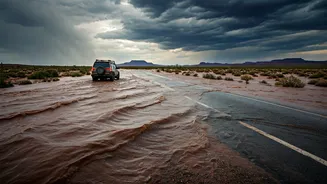
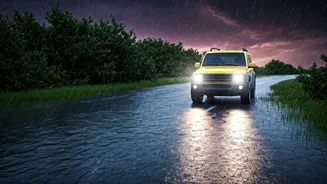
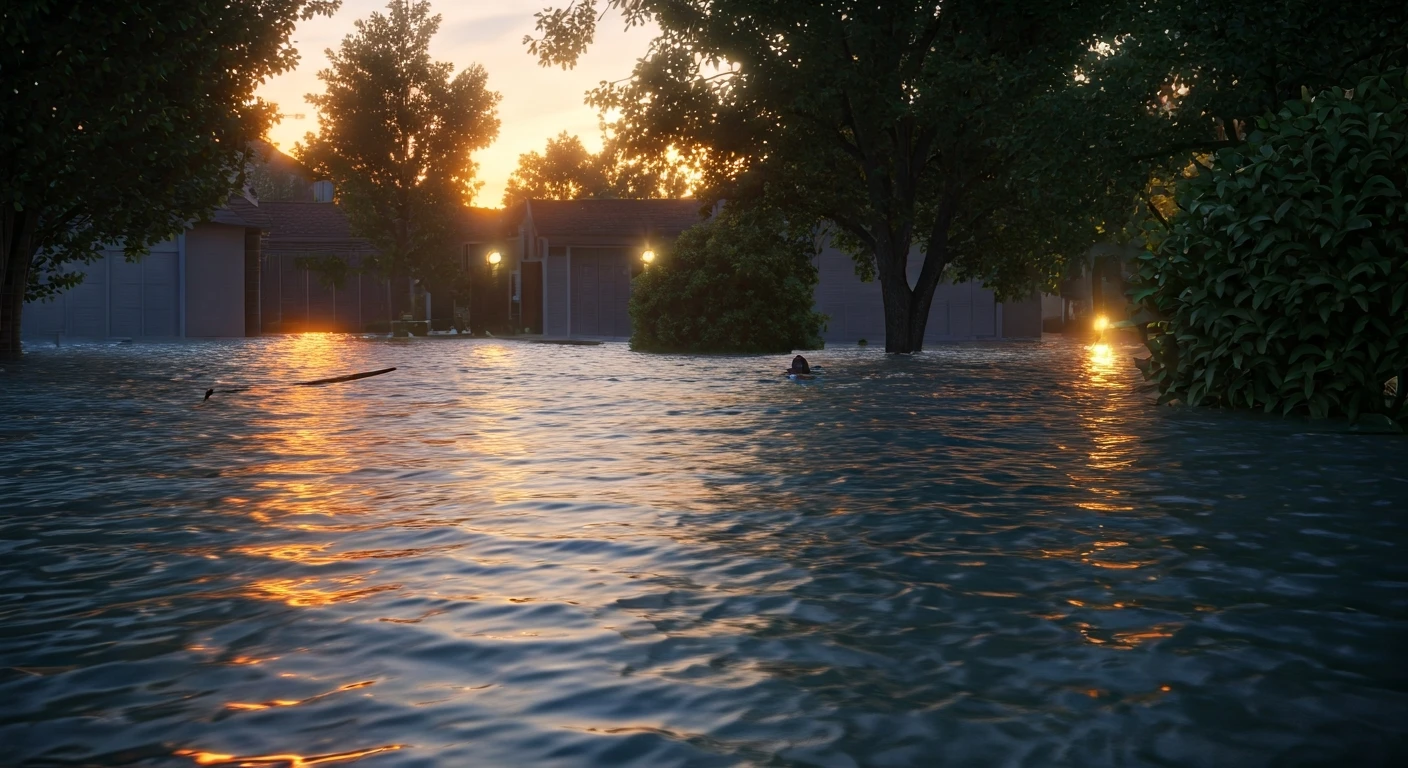
Before we even talk about backup plans, let’s state the golden rule of monsoon driving: Never, ever drive into a flooded wash or a roadway covered in moving water. It’s the official slogan of the National Weather Service for a reason. It takes just six
inches of fast-moving water to knock over an adult, and as little as 12 inches to sweep away a small car. A larger SUV or truck only needs about two feet. The water is often murky, hiding debris or a completely eroded roadbed beneath. The most important transportation decision you can make during a monsoon is the decision to stop, turn around, and find another route. No destination is worth your life.
The Work-From-Home Lifeline
The single most effective 'backup ride' is the one you don't have to take. The pandemic-era shift to remote and hybrid work has been a game-changer for monsoon season safety. If your job allows for it, have a conversation with your manager before the season kicks into high gear. Frame it as a safety and productivity issue. It's far better to be logged in and working from home than to be stuck for hours on a closed freeway or, worse, in a dangerous flood situation. On days with a severe storm forecast, proactively make the call to stay put. Your commute becomes a walk to the coffee maker, and the road stays clearer for emergency services and essential workers.
The Neighborhood Carpool Pact
Your neighbors are your best allies. If you know a storm is coming and you and your neighbors work in the same general area, form a monsoon carpool pact. The person with the most suitable vehicle for wet conditions—think a high-clearance SUV or truck, not a low-slung sports car—can take the wheel. This strategy reduces the number of vehicles on the road, creates a support system if you run into trouble, and allows the driver to focus completely on navigating the hazards while others watch for debris or rising water. Set up a group chat at the beginning of the season to make coordinating these last-minute plans seamless.
Public Transit and Rideshare Smarts
Using a bus, light rail, or rideshare service can seem like a great way to avoid the stress of monsoon driving, but it requires strategy. Check for service alerts before you leave; public transit routes can be altered or suspended due to flooding. For light rail systems, which often run on dedicated tracks above street level, this can be a fantastic high-ground option. When using a rideshare, be prepared for surge pricing and longer wait times. Pin your pickup location to a safe, easily accessible spot away from low-lying areas, and give your driver a little extra grace—they’re navigating the same messy roads as everyone else.
The 'Wait It Out' Game Plan
Sometimes the best move is no move at all. Monsoon storms, while intense, are often fast-moving. A deluge that has completely flooded a street can drain away in 30 to 60 minutes. If you’re at the office, the grocery store, or the gym when a storm hits, don't rush out into it. Instead of joining the traffic jam, have a 'wait it out' plan. Keep a book, a fully charged power bank for your phone, or some extra work in your bag. Find a safe place to hang out until the worst of the storm has passed and the flash flood warnings have expired. Being an hour late is infinitely better than becoming a water rescue statistic.
Your Vehicle's Monsoon Survival Kit
Even with the best plans, you might get caught. Every vehicle in a monsoon-prone region should have a basic emergency kit. This isn't just about breakdowns; it's about survival. Your kit should include extra water, non-perishable snacks, a first-aid kit, a flashlight with extra batteries, a portable phone charger or power bank, and a blanket. During monsoon season, add a window-breaker/seatbelt-cutter tool to your keychain or center console. It’s a small, inexpensive tool that can be a lifesaver if your car’s electronics fail after being submerged.