

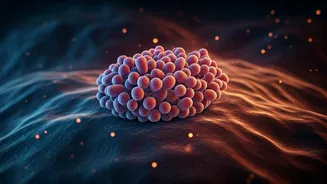
Embracing Probiotic-Rich Fermentation
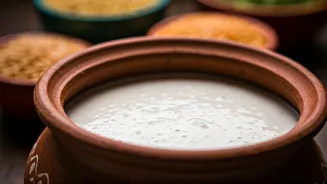
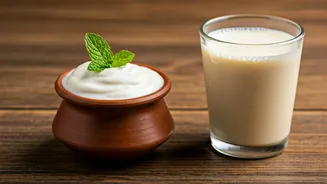
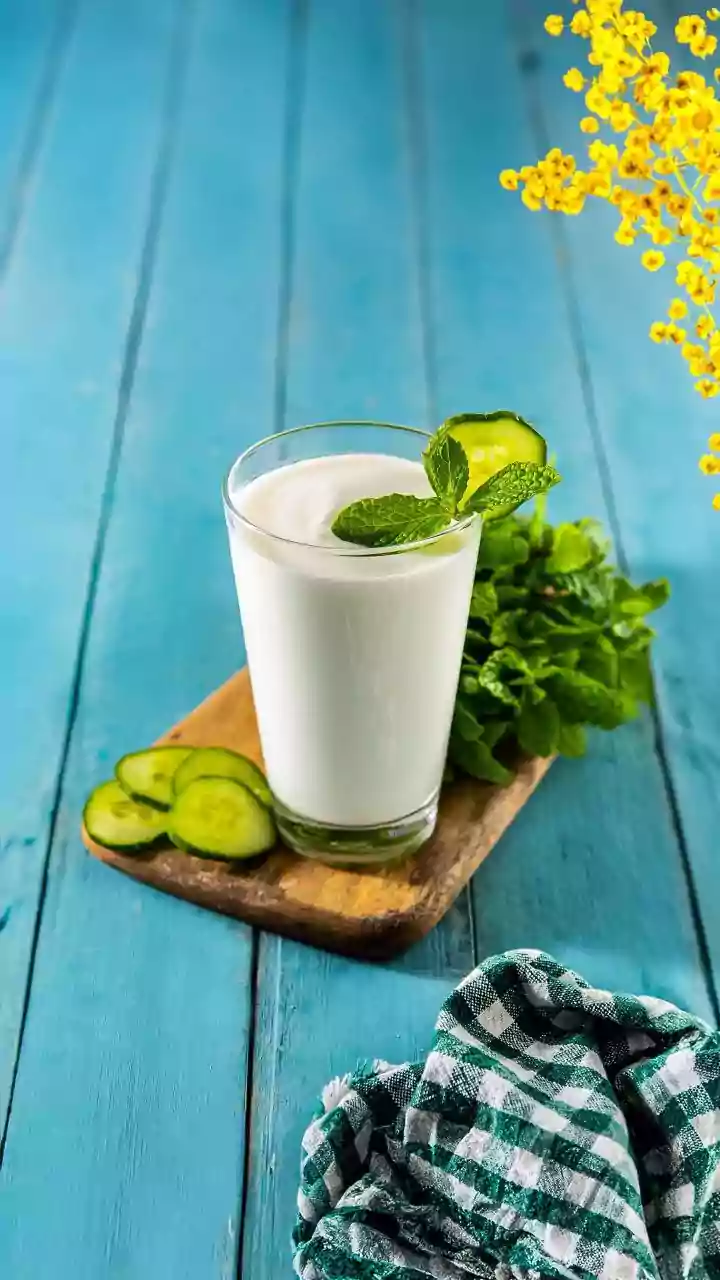
Long before kombucha was a staple in American grocery stores, Indian households were mastering the art of fermentation. The focus is now returning to these naturally probiotic-rich foods. Think of homemade yogurt, or ‘dahi,’ a cornerstone of many Indian meals.
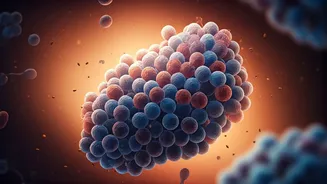
Unlike many store-bought yogurts, traditional dahi is often made with a live culture starter that fosters a diverse range of beneficial bacteria crucial for a healthy gut lining. Similarly, the batters for South Indian staples like ‘idli’ (savory rice cakes) and ‘dosa’ (crisp lentil crepes) are fermented for hours. This process not only creates their signature light, airy texture but also breaks down anti-nutrients and makes the lentils and rice easier to digest, effectively pre-digesting the food for you.
Rediscovering the Healing Spice Rack
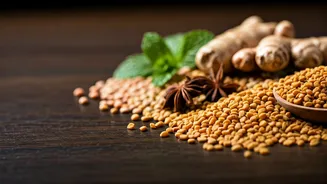
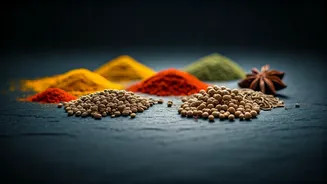
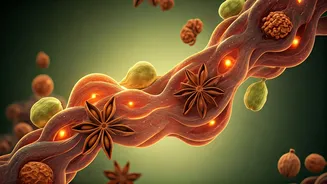
The Indian spice box, or ‘masala dabba,’ is essentially a natural pharmacy for your digestive system. Turmeric, with its active compound curcumin, is a well-studied anti-inflammatory that helps soothe the gut. But the gut-smart approach goes deeper. Ginger is a carminative, meaning it helps relieve gas and bloating. Cumin seeds are known to stimulate digestive enzymes. Fenugreek seeds can aid in controlling blood sugar and improving digestive regularity. The new wave of gut-conscious Indian cooking isn’t about adding more heat; it’s about understanding the functional purpose of each spice and using them synergistically to create meals that are not just flavorful but actively support digestion and reduce inflammation.
Prioritizing Fiber from Lentils and Legumes
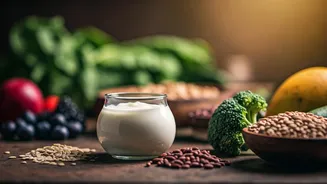
The foundation of countless Indian meals is 'dal,' a term that refers to both the ingredient (split lentils, peas, or beans) and the comforting stew made from them. These legumes are powerhouse sources of prebiotic fiber. While probiotics are the 'good bacteria,' prebiotics are the 'food' that these bacteria need to thrive. A diet rich in diverse fibers from sources like chickpeas, kidney beans, and a wide variety of lentils helps cultivate a robust and resilient gut microbiome. The gut-smart trend sees home cooks and chefs alike doubling down on these humble ingredients, moving them from a simple side dish to the star of the plate and exploring heirloom varieties for even greater nutritional diversity.
The Wisdom of Ghee (in Moderation)
For years, fat was villainized, and many diaspora kitchens swapped traditional fats for processed vegetable oils. The gut-health movement is bringing back ghee, or clarified butter, with a newfound respect. Ghee is rich in butyrate, a short-chain fatty acid that is a primary fuel source for the cells lining our colon. A healthy gut lining is essential for preventing 'leaky gut,' where particles can pass into the bloodstream and trigger inflammation. Because the milk solids are removed, ghee is also lactose-free and casein-free, making it more digestible for many people than regular butter. The key is moderation—using a teaspoon to toast spices or finish a dal, not for deep-frying.
Ayurveda Meets Modern Science
Much of this gut-smart trend is a modern validation of Ayurvedic principles that are thousands of years old. Ayurveda, India's traditional system of medicine, places immense importance on 'agni,' or digestive fire. The goal of Ayurvedic eating is to keep this fire strong to ensure food is properly digested, nutrients are absorbed, and toxins are eliminated. Practices like using digestive spices, eating warm, cooked foods, and avoiding ice-cold drinks with meals are all aimed at supporting agni. What once sounded like mystical folklore now aligns neatly with modern science’s understanding of enzyme production, gut motility, and the microbiome's role in our overall health.