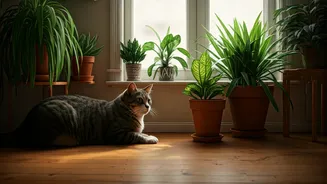





The All-Important Pet-Safe Stamp
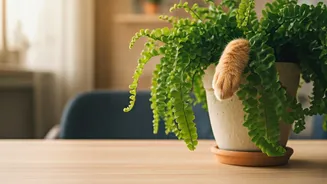
Let’s get the most critical question out of the way first: Is the Bird's Nest Fern (Asplenium nidus) safe for cats and dogs? The answer is a resounding yes. The American Society for the Prevention of Cruelty to Animals (ASPCA) lists it as non-toxic to both
cats and dogs. This is the single biggest reason it earns the title of a perfect plant-pet home companion. While you should always discourage your pets from making a meal of your houseplants, you can have peace of mind knowing that an inquisitive nibble on a Bird's Nest Fern frond won't result in an emergency trip to the vet. This removes the primary source of stress for many aspiring plant parents who also share their homes with four-legged family members, allowing you to enjoy the beauty of nature indoors without constant supervision and anxiety.
An Architectural and Aesthetic Wonder
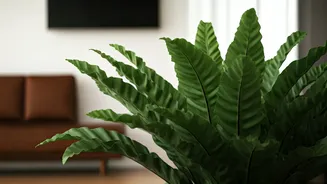
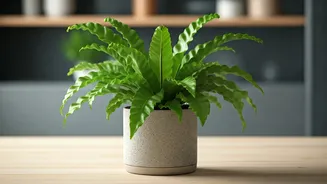
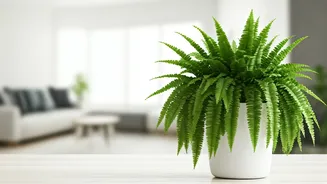
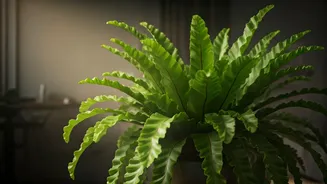
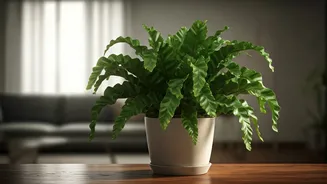
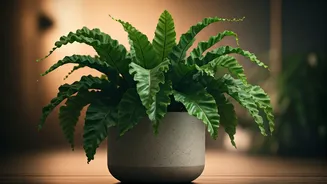
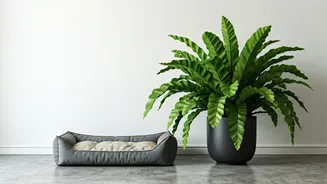
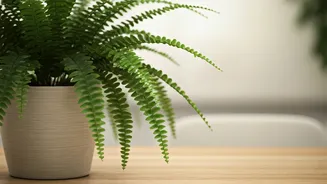
Beyond its safety, the Bird's Nest Fern is a stunning plant. Its charm lies in its unique structure. It grows in a rosette formation, with a central whorl where new fronds emerge, resembling a bird’s nest—hence the name. These new fronds, called croziers, look like tiny, coiled fists before they unfurl into long, elegant leaves. The fronds themselves are often bright apple-green with a glossy finish and beautifully crinkled or wavy edges, adding texture and a lush, tropical vibe to any space. Unlike the delicate, feathery fronds of other ferns, the Bird's Nest Fern's leaves are leathery and whole, giving it a bold, modern silhouette that works well in a variety of decor styles, from minimalist to bohemian.
Finding Its Happy Place: Light
In their native rainforest habitat, Bird's Nest Ferns are epiphytes, meaning they grow on the surface of other trees. They thrive under the jungle canopy, receiving dappled, filtered sunlight. To replicate this in your home, place your fern in a spot that gets bright, indirect light. An east-facing window that gets gentle morning sun is ideal. A spot a few feet back from a west- or south-facing window also works well. The one thing to avoid at all costs is direct, harsh sunlight. Too much direct sun will scorch the leaves, turning them yellow or brown and ruining their vibrant look. If you see pale, washed-out fronds, your plant is likely getting too much light.
The Right Way to Water
Proper watering is key to a thriving Bird's Nest Fern. They prefer consistently moist soil, but not soggy, waterlogged conditions. A good rule of thumb is to water thoroughly when the top inch of the soil feels dry to the touch. When you water, aim for the soil around the base of the plant, avoiding the central “nest.” Pouring water directly into the center can trap moisture and lead to crown rot, which is often fatal for the plant. Allow the pot to drain completely after watering; never let it sit in a saucer full of water, as this can cause root rot. In the winter, when the plant’s growth slows down, you can reduce the frequency of watering slightly.
Humidity Is Its Best Friend
Coming from a tropical environment, these ferns crave humidity. A dry, arid home—especially one with forced-air heating in the winter—can cause the frond edges to turn brown and crispy. Fortunately, boosting humidity is easy. Grouping it with other plants creates a more humid microclimate. You can also place the pot on a tray filled with pebbles and water; as the water evaporates, it will increase moisture in the air around the plant. Regular misting with a spray bottle a few times a week also helps. The best and easiest location for a Bird's Nest Fern is often a bathroom with a window, where the steam from showers provides a naturally humid environment it will adore.