




The Map: Know Your Financial Terrain
Before you can survive in the wilderness, you need a map of the terrain. The same goes for your finances. The first, non-negotiable piece of 'gear' is a clear understanding of your financial landscape. This means tracking exactly what’s coming in and what’s going
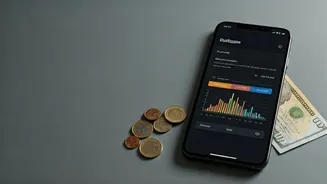
out. It sounds tedious, but it’s the only way to know where you stand. Use a simple app, a spreadsheet, or even a notebook to log your income and every expense for one month. Don't judge, just track. You’ll identify the 'leaky canteen'—the small, recurring costs draining your resources—and the 'safe trails' where your spending is already efficient. This isn’t about restriction; it’s about information. Without this map, you’re just wandering in the financial woods, hoping you stumble upon a safe path. With it, you can make intentional choices.
The First-Aid Kit: Your Emergency Fund
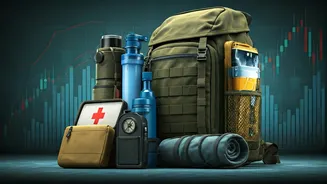
No survivalist would venture out without a first-aid kit, and no modern adult should navigate life without an emergency fund. This is your non-negotiable tool for handling the inevitable cuts, scrapes, and breaks of life—a sudden car repair, an unexpected medical bill, or a surprise layoff. For years, the advice was to save three to six months of living expenses. In today’s volatile world, even starting with a smaller goal of $1,000 can be a game-changer. This 'starter' fund acts as a buffer between you and high-interest credit card debt when something goes wrong. It’s not an investment; it’s insurance. Keep it in a separate, high-yield savings account where it’s accessible but not so easy to dip into for non-emergencies. This single piece of gear can turn a potential catastrophe into a manageable inconvenience.
The Rations: Fueling Your Daily Life
Once you know your terrain and have your first-aid kit packed, you need a plan for your daily provisions. This is where budgeting frameworks come in. The most popular is the 50/30/20 rule: 50% of your after-tax income goes to needs (housing, utilities, groceries), 30% to wants (dining out, entertainment, hobbies), and 20% to savings and debt repayment. Think of it as portioning your rations. The 'needs' are the essential calories to keep you going. The 'wants' are the morale-boosting treats that make the journey bearable. The 'savings' are the extra supplies you're stashing for the long haul. This framework isn't rigid; it’s a starting point. If your housing costs are high, your ratio might look different. The goal is to create a system that ensures you’re not just surviving day-to-day but also actively provisioning for your future self.
The Shelter: Protection From the Storms
A good budget does more than just track spending; it builds a shelter. When a financial storm hits—a job loss, an economic downturn, a global pandemic—a well-managed budget is what keeps you from getting washed away. It’s the difference between weathering the storm under a sturdy roof versus being exposed to the elements. With a budget, you know exactly which 'want' expenses can be cut immediately to preserve resources. You have an emergency fund to cover essentials while you regroup. This financial shelter provides more than just practical stability; it offers immense psychological relief. Knowing you have a plan and the resources to handle a crisis reduces anxiety and allows you to make clear-headed decisions, rather than panicked ones. It transforms your financial life from a source of constant stress into a foundation of strength.
The Compass: Navigating Toward Your Goals
Ultimately, survival gear isn't just about enduring hardship—it's about enabling you to reach your destination. Your budget is the compass that points you toward your long-term goals. Do you want to buy a house, travel the world, retire early, or simply be debt-free? Your budget is the tool that translates those dreams into a series of achievable steps. By allocating a portion of your income (that 20% slice) toward these specific goals, you’re no longer just surviving; you’re actively navigating. The compass keeps you from drifting off course, reminding you where you’re headed when the temptation of short-term gratification arises. It’s the most empowering piece of gear in your kit, transforming you from a passive passenger in your financial life to an active, confident explorer.