






The Sun-Seeker's Dilemma
For years, the goal was simple: escape to the sun. But the summer of 2023 served as a turning point for many. Sweltering heatwaves, with names like Cerberus and Charon, baked southern Europe, sending temperatures soaring past 110°F (43°C). Wildfires raged
across Greek islands, forcing mass evacuations of tourists. In Rome, visitors struggled with heat exhaustion, and officials in Athens had to temporarily close the Acropolis during the hottest parts of the day to protect people. What was once a guaranteed good time has become, for many, a test of endurance. This isn't just a fluke; it's a pattern. The reliable comfort of a Mediterranean holiday is becoming less reliable, pushing travelers to rethink what a perfect summer break really looks like.
The Rise of the 'Coolcation'
Enter the “coolcation.” The term perfectly captures the new travel calculus: actively seeking destinations with milder, more pleasant summer climates. It's not just about avoiding extreme heat; it’s about choosing a place where you can comfortably walk around, hike, and explore without risking heatstroke. Travel industry data backs this up. A 2023 report from the European Travel Commission noted a significant drop in the popularity of Mediterranean destinations for late summer and autumn travel. Meanwhile, countries like Ireland, Denmark, and the Czech Republic saw a surge in interest. Travel companies are seeing a tangible shift in bookings, with more clients requesting itineraries in Scandinavia, the Baltics, and other northern European regions. This isn't an abandonment of the sun, but a diversification of desire—a search for comfort over pure heat.
New Favorite: Scandinavian Summers
Scandinavia is emerging as a prime beneficiary of this trend. Countries like Norway, Sweden, and Denmark offer a compelling alternative to the scorching south. Instead of fighting for a spot on a crowded, baking beach, travelers are discovering the magic of Norway’s majestic fjords, where they can hike or kayak in comfortable 65°F (18°C) weather. Cities like Copenhagen and Stockholm come alive in the summer with long, light-filled days perfect for cycling along canals, exploring world-class design shops, and enjoying outdoor cafes without breaking a sweat. The appeal is the ability to have an active, culturally rich vacation in a stunning natural landscape, all while enjoying a climate that feels refreshing rather than oppressive.
Alpine Escapes and Mountain Air
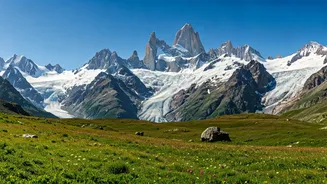
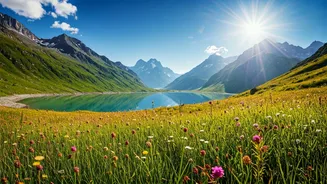
The mountains are calling, and in summer, they’re the perfect coolcation spot. Traditionally seen as winter ski destinations, the Alps in countries like Switzerland, Austria, and even northern Italy are gaining popularity as summer retreats. The formula is simple: for every 1,000 feet of elevation gain, the temperature drops by about 3.5°F. This makes an Alpine village a natural form of air conditioning. Travelers are swapping seaside promenades for lush green valleys, glacial lakes, and well-marked hiking trails. Destinations like Interlaken, Switzerland, or the Dolomites in Italy offer a potent mix of breathtaking scenery, clean mountain air, and a chance to truly recharge, far from the heat and humidity of the lowlands.
Coastal Breezes and Celtic Charm
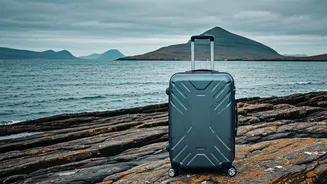
For those who still crave a coastal vibe without the intense heat, the cooler coastlines of Northern Europe are proving irresistible. Ireland’s Wild Atlantic Way and Scotland’s North Coast 500 are epic road trips featuring dramatic cliffs, windswept beaches, and cozy pubs where a sweater might be welcome even in July. These aren't lie-on-the-sand beaches; they are explore-and-be-amazed beaches. Similarly, regions like Brittany in France and Belgium’s small but charming coastline offer seaside towns, fantastic food, and average summer temperatures that hover in the comfortable 70s. This allows for long days of sightseeing, exploring historic towns, and enjoying the coast as it was meant to be: with a refreshing sea breeze.