
The Rise of the Kitchen Skeptic
In kitchens across America, a quiet revolution is taking place. It’s not about a new diet or a fancy appliance, but something more fundamental: a growing mistrust of the very ingredients we use to feed our families. Faced with soaring grocery bills, the sneaky
effects of “shrinkflation,” and an endless parade of online “dupes,” home cooks are no longer taking labels at face value. Instead, they’re becoming amateur food detectives, subjecting everyday staples to simple, at-home tests to determine if they’re getting what they paid for. This isn’t about professional food science; it’s a form of consumer empowerment, born from a desire for transparency and control in an increasingly confusing marketplace. When every dollar counts, ensuring that your “100% real” butter doesn’t contain strange oils feels less like a hobby and more like essential household management.
The Viral Butter Test
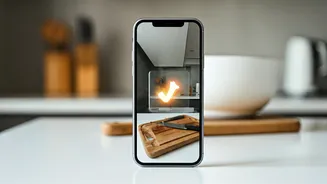
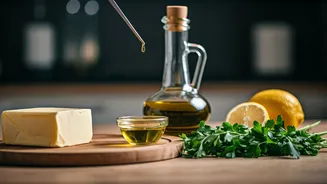
The movement’s most visible case study is the viral “butter test.” Spreading like wildfire on platforms like TikTok and Instagram, the test is deceptively simple. A home cook places a small amount of butter from a questionable brand in a hot pan alongside a pat from a trusted one. The trusted butter typically melts into a clean, frothy, milky liquid. The suspect butter, however, often behaves differently, separating into a greasy, clear oil slick with white solids that refuse to integrate. While food scientists caution that melting behavior can be influenced by water content and milk solid distribution, for many consumers, the visual evidence is damning. They aren't looking for a peer-reviewed analysis; they’re looking for a simple, binary signal: does this look and act like the real butter I expect, or does it feel like a cheap imitation? The test has become a quick-and-dirty referendum on brand quality.
Is Your Olive Oil Lying to You?
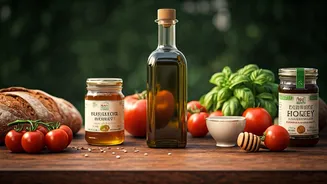
Long before the butter craze, olive oil was the original subject of kitchen scrutiny. For years, reports have surfaced about fraudulent or adulterated extra-virgin olive oil being passed off to unsuspecting buyers. This led to the popularization of the “fridge test.” The theory is that true extra-virgin olive oil, rich in monounsaturated fats, will start to solidify and become cloudy when chilled in the refrigerator, while fake or blended oils will remain liquid. While this test is now considered unreliable by many experts—as some high-quality oils don't solidify and some low-quality ones do—its legacy endures. It taught a generation of cooks to be suspicious. Today, the focus has shifted to more practical sensory tests: Does the oil smell fresh and grassy or stale and waxy? Does it have a peppery finish at the back of your throat, a sign of healthy polyphenols? These are questions cooks are now asking before they drizzle.
From Honey to Vanilla
The skepticism doesn’t end with fats. Honey, another product often targeted for adulteration with cheap corn syrup, has its own suite of folk tests. One popular method involves drizzling a spoonful into a glass of water. Real honey is said to sink to the bottom in a solid lump, while adulterated honey allegedly dissolves more readily. Another involves dropping it on paper; pure honey is thought to hold its shape without being absorbed. Likewise, people are testing their vanilla extract. A drop of pure extract on a piece of paper will evaporate completely because it's alcohol-based, while imitation vanilla, often water-based, may leave a damp or oily spot. Again, these aren’t foolproof forensic methods, but they serve as a powerful psychological backstop for consumers who feel they’re navigating a minefield of misleading claims.