




The Symphony of Water
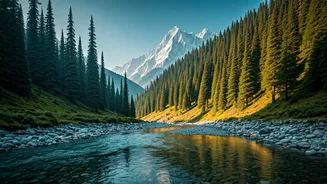
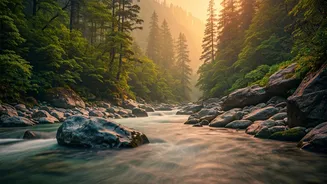
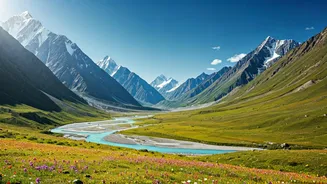
Before your eyes even open, you hear it. The Tirthan River is the valley’s constant, living soundtrack. It’s not a gentle babble but a rich, percussive rush of water tumbling over ancient, smooth stones. The sound is a deep, meditative hum that vibrates
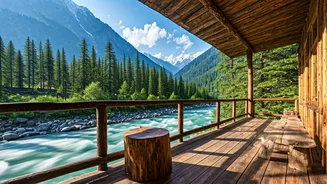
through the wooden floorboards of the traditional guesthouses perched along its banks. This isn’t background noise; it’s the main event. It washes away the mental clutter of modern life, replacing deadlines and notifications with the singular, cleansing rhythm of snowmelt making its journey from the high peaks. Stepping onto a balcony, the air is crisp, thin, and carries the scent of damp earth and pine. The river’s energy is palpable, a powerful yet soothing force that defines every moment.
A Canvas of Mist and Light
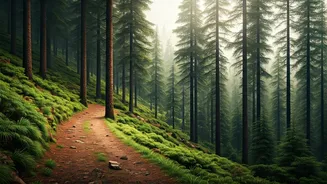
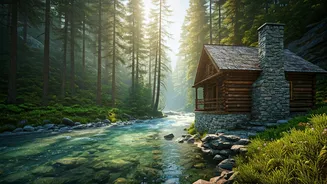
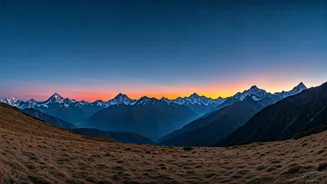
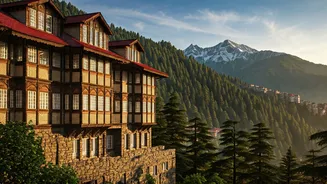
As the sun begins its slow ascent behind the towering Himalayan ridgelines, the valley floor remains in a cool, blue-gray twilight. This is when the magic truly begins. A thick, ethereal mist rises from the cold surface of the river, clinging to the valley and swirling through the dense deodar cedar forests. It moves like a living thing, obscuring and then revealing the landscape in breathtaking slow motion. One moment, the opposite bank is completely gone, swallowed by a white void. The next, the mist parts to unveil a cluster of slate-roofed homes, their dark wood stark against the soft haze. When the first rays of sunlight finally crest the mountains, they don't flood the valley. Instead, they pierce the mist in dramatic, golden shafts, illuminating dust motes and water vapor in a spectacle that feels utterly cinematic and deeply sacred.
The Valley Awakens
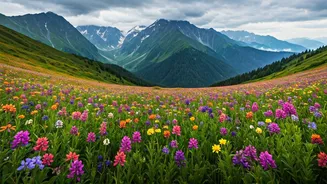
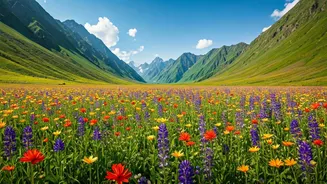
This isn’t an empty wilderness; it’s a place where life moves in harmony with nature. As the mist begins to burn off, the details of the valley emerge. You might see an angler already thigh-deep in the frigid water, casting a line for the region’s famous trout. A thin plume of smoke curls from the chimney of a nearby home, carrying the sweet smell of a wood-fired stove preparing morning chai. The colors intensify: the impossible turquoise of the river, the deep green of the pines, the vibrant wildflowers clinging to rocky outcrops. There’s a quiet purposefulness to the morning. Villagers walk the stone paths, a cowbell clangs softly in the distance, and the world comes to life without hurry. It’s a powerful reminder of a pace of life dictated by the sun and seasons, not the clock.
More Than a Pretty Picture
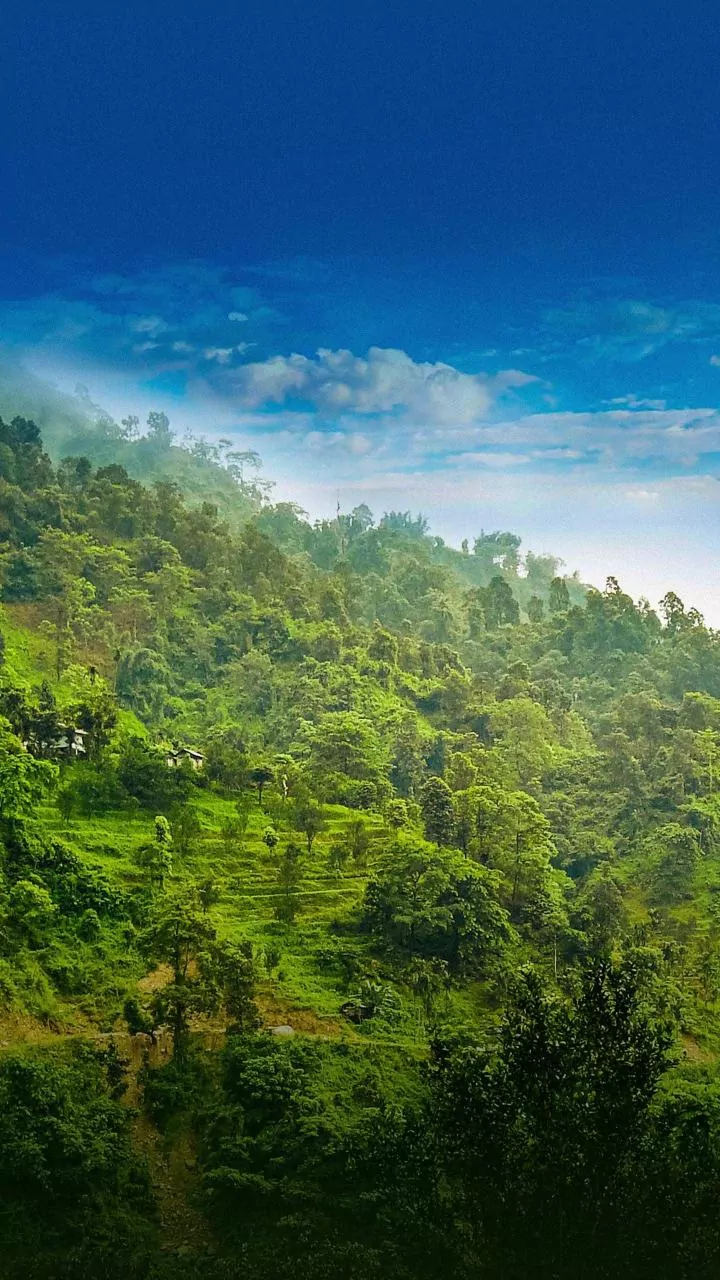
The “unreal” quality of a Tirthan morning isn’t just about the visual beauty, as stunning as it is. It’s the complete sensory immersion. It’s the feeling of the cold air on your skin, the resonant sound of the river filling your ears, and the sight of a landscape that feels both ancient and new every single day. Located in the Kullu district of Himachal Pradesh, the valley forms the eco-sensitive edge of the Great Himalayan National Park, a UNESCO World Heritage Site. This protection contributes to its pristine state. For the visitor, especially one accustomed to the sensory overload of American city life, the experience is restorative. It strips away the non-essential, leaving you with the profound and simple reality of mountain, river, and sky. It doesn’t feel real because it feels more real than the world you left behind.