



What is a 'Hill Station'?
First, a quick history lesson. The concept of the “hill station” is a relic of the British Raj. During the colonial era, British officials and their families sought refuge from the scorching summer heat of the Indian plains. They established high-altitude
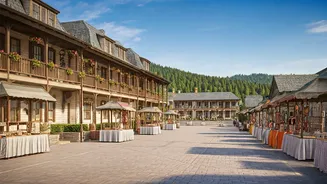
settlements with cooler climates, building bungalows, churches, and social clubs that mimicked the aesthetics of a quaint English village. These outposts, scattered across India’s mountain ranges, became hubs of colonial life. Today, they’ve evolved into popular domestic tourist destinations, offering a unique blend of natural beauty, colonial architecture, and a welcome drop in temperature. While the Himalayas have famous spots like Shimla and Darjeeling, the rolling hills of South India have their own equally enchanting versions.
Ooty: The Undisputed Queen
If there’s one name synonymous with South Indian hill stations, it’s Ooty (short for Udhagamandalam). Known as the “Queen of Hill Stations,” Ooty was the summer capital of the Madras Presidency under the British. It has all the classic elements: sprawling botanical gardens, a placid lake for boating, and stone-built churches. The biggest draw might be the UNESCO-listed Nilgiri Mountain Railway, a century-old “toy train” that chugs its way up the mountainside through tunnels and across bridges, offering breathtaking views. While Ooty can get crowded, especially during peak season, its vibrant markets, homemade chocolate shops, and the sheer grandeur of its setting make it an essential first stop.
Kodaikanal: The Princess of the Hills
Often called the “Princess of Hill Stations,” Kodaikanal offers a slightly more rustic and nature-focused experience than Ooty. Its centerpiece is the man-made, star-shaped Kodai Lake, where you can rent rowboats or go cycling along its perimeter. The surrounding landscape is a mix of rolling meadows and dense shola forests, crisscrossed with hiking trails that lead to viewpoints like Dolphin’s Nose and Pillar Rocks. Kodaikanal feels a bit wilder and less manicured than its more famous counterpart. It’s the perfect spot for travelers who want to spend their days hiking through misty eucalyptus groves and their evenings cozying up by a fireplace.
Coonoor: The Tea-Scented Retreat
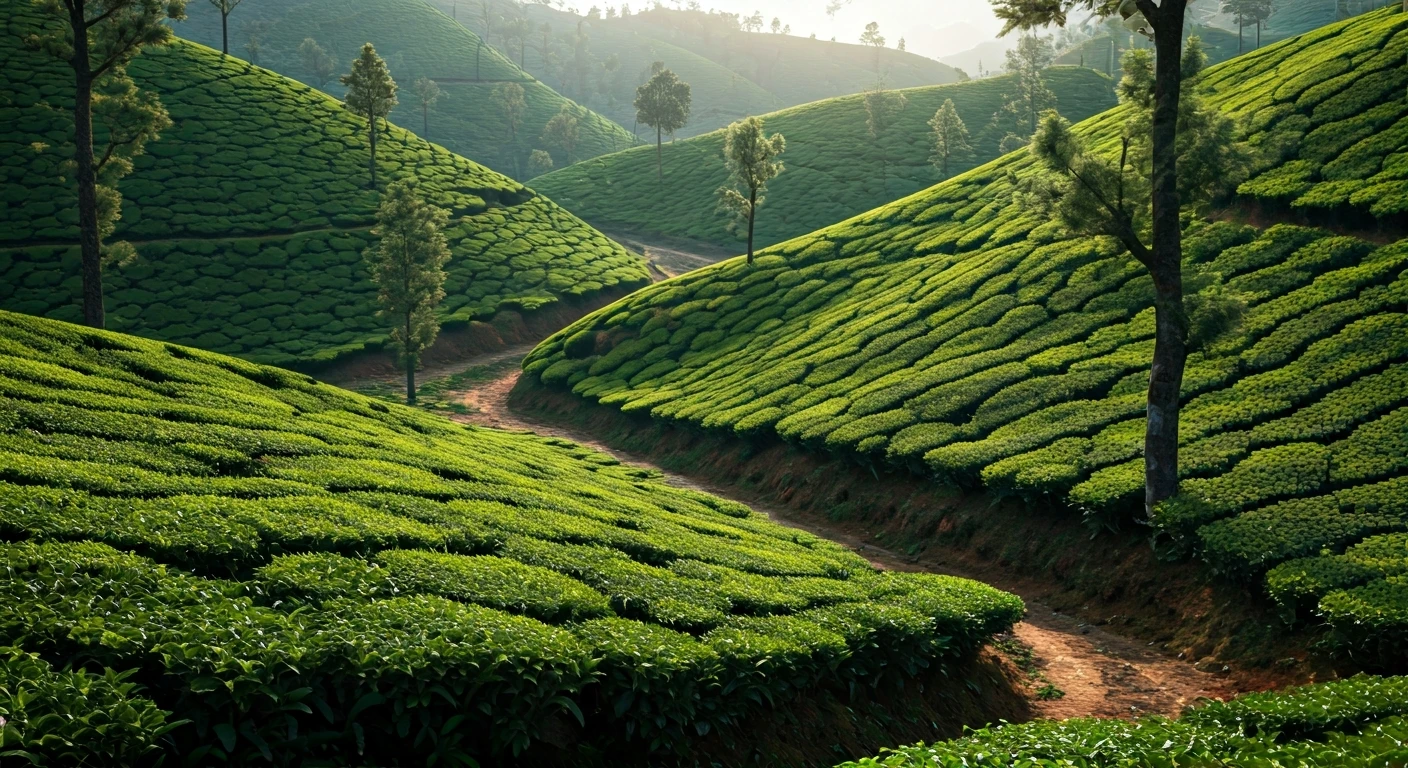
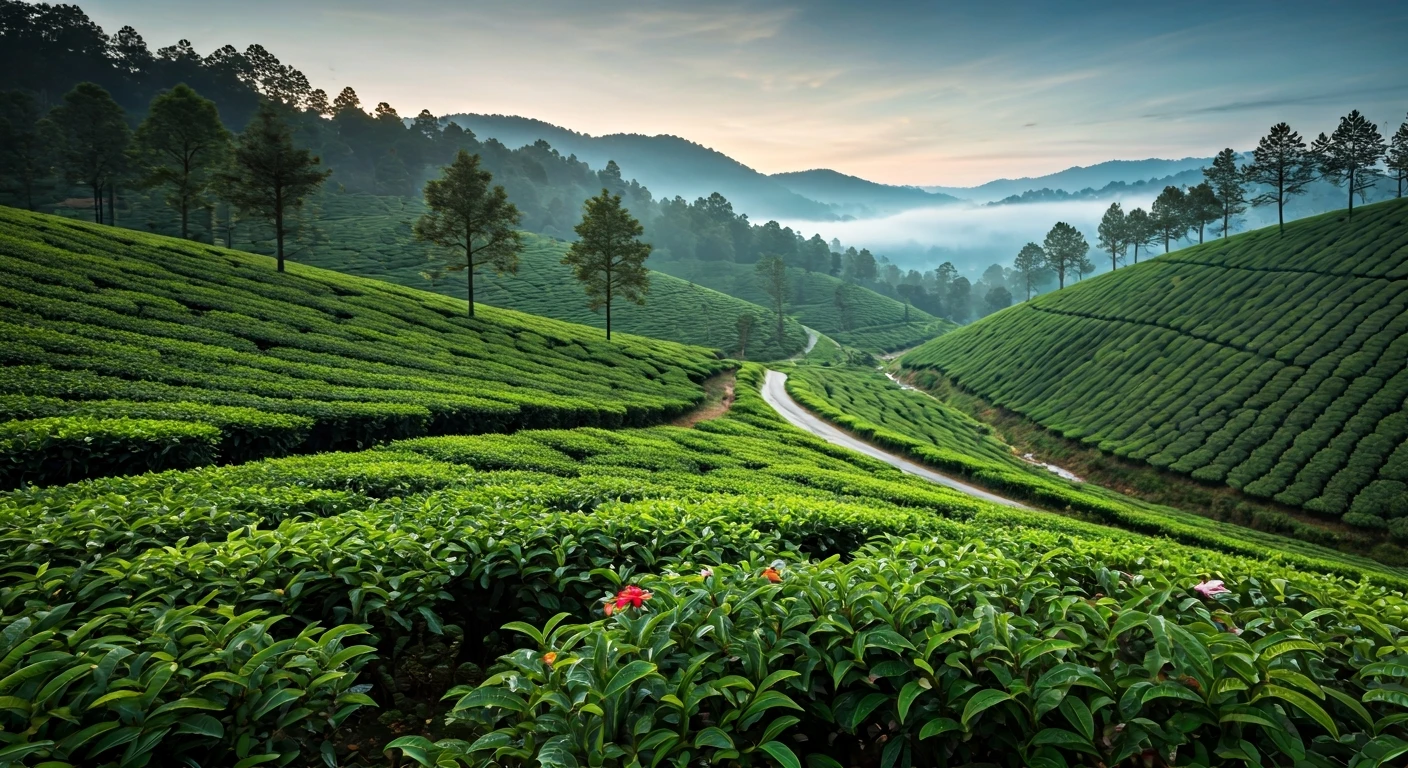
Just a short drive (or a scenic toy train ride) from Ooty, Coonoor is for the traveler who finds Ooty a little too bustling. This is the heart of the Nilgiris’ tea country. The hillsides are blanketed in meticulously groomed tea plantations, and the air is fragrant with the scent of fresh leaves. The main attraction here is the landscape itself. You can visit a tea factory to see the production process from leaf to cup, or simply drive the winding roads to find stunning panoramic views at spots like Lamb’s Rock. Sim’s Park, a compact botanical garden, is a beautifully maintained alternative to Ooty’s larger version. Coonoor is quieter, slower, and feels more like a working agricultural town than a pure tourist hub.
Yercaud: The Accessible Underdog
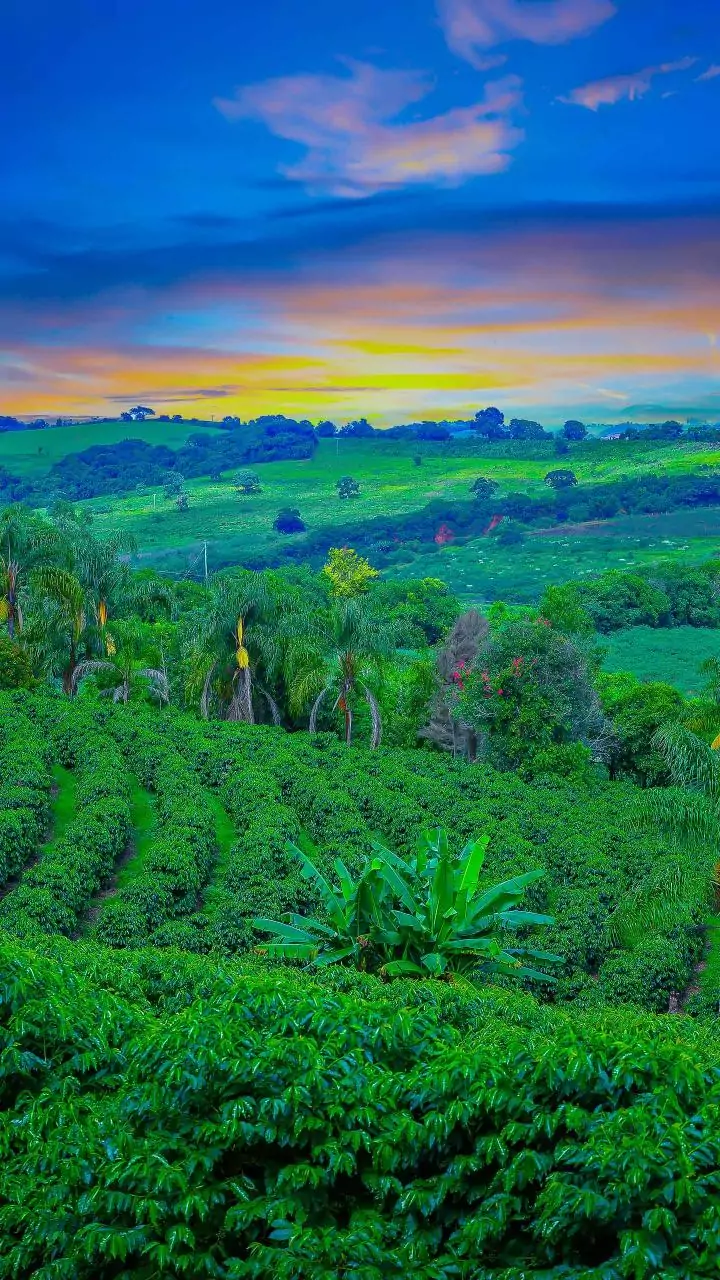
Lesser known to international travelers, Yercaud is a low-key hill station in the Shevaroy Hills, often called the “Jewel of the South.” Built around a serene lake, it’s more compact and accessible than the Nilgiri stations, making it a favorite for weekend trips. The main draw is its unpretentious charm and natural scenery. The area is rich in coffee plantations, orange groves, and spice farms. Key sights include the lake, several viewpoints like Pagoda Point, and the Kiliyur Falls. Yercaud doesn't have the grand colonial architecture of Ooty, but it offers a peaceful, budget-friendly hill station experience without the long journey into more remote mountains.