
1. The Rise of 'Japandi'
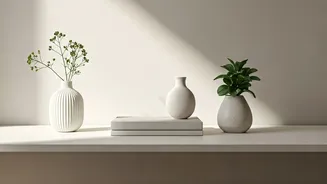
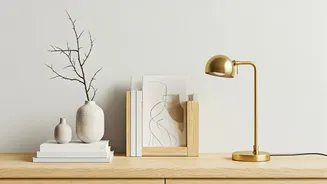
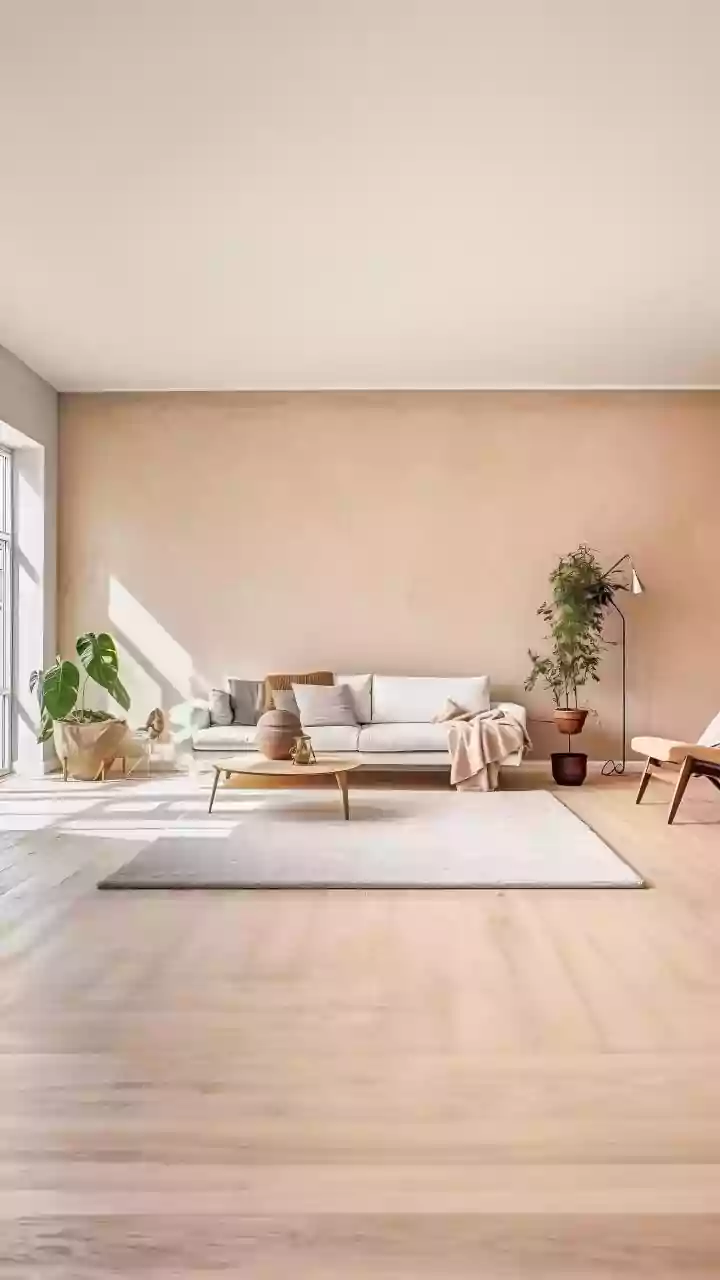
One of the clearest expressions of this new ethos is 'Japandi,' a hybrid design philosophy that merges Japanese minimalism with Scandinavian functionalism. It's the perfect marriage of useful and peaceful. From the Scandinavian side, you get 'hygge'—that
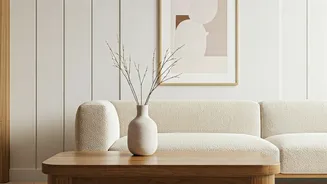
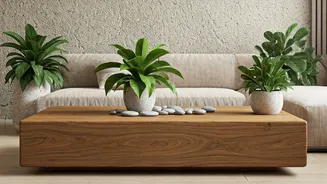
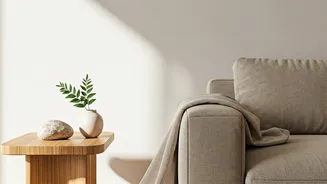
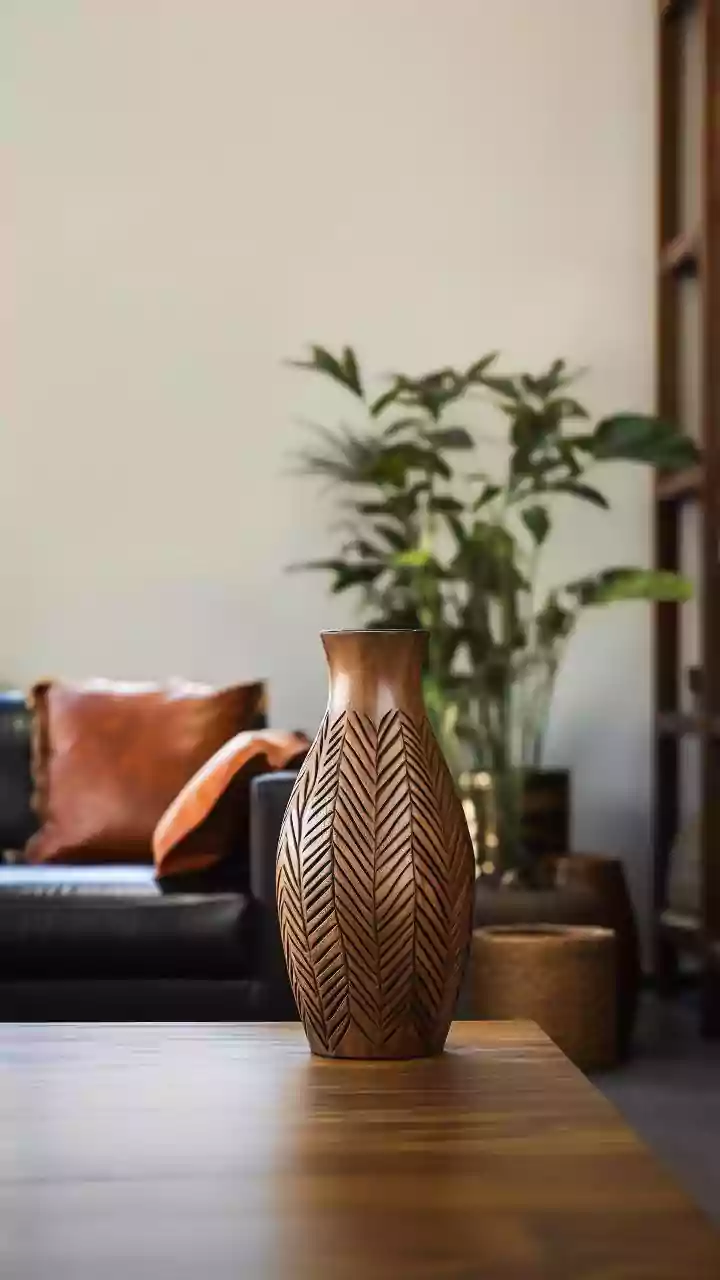
sense of coziness, comfort, and contentment. Think soft textiles, warm lighting, and a focus on creating an inviting atmosphere. From the Japanese side comes 'wabi-sabi,' the appreciation for imperfection, simplicity, and natural materials. The Japandi home is uncluttered but not sterile. It features clean lines, beautifully crafted wooden furniture, and a neutral color palette. Every object has a purpose, and there’s an emphasis on craftsmanship over mass-produced clutter, creating a space that feels both organized and soulful.
2. Multi-Functional Spaces That Actually Work
The demand for usefulness has transformed our approach to floor plans and furniture. The open-concept living room that once felt so liberating can feel chaotic when one person is on a work call while another is watching TV. The new functionalism is about creating flexible, zoned spaces. This doesn't necessarily mean putting up walls. Instead, we're seeing clever uses of modular sofas, large area rugs to define a 'room' within a room, and stylish partitions like wooden slat dividers or open-backed bookshelves. Furniture is also working harder. The dining table doubles as a spacious desk, the ottoman contains hidden storage, and the sleek media console hides a pull-out workspace. It's about making every square foot count without sacrificing style.
3. Biophilia: Bringing the Outdoors In
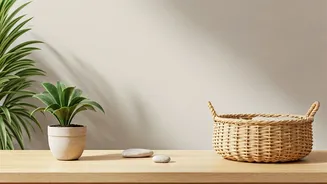
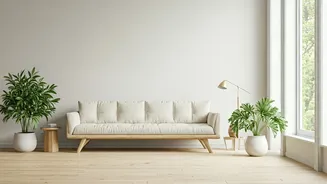
The psychological benefits of nature are well-documented, and designers are finally integrating this knowledge into our homes in a meaningful way. This trend, known as biophilic design, is about more than just putting a ficus in the corner. It's a holistic approach to connecting our indoor environment with the natural world. This manifests in large windows that maximize natural light, the use of organic materials like unfinished wood, stone, and rattan, and of course, an abundance of plant life. We're seeing 'plant shelves' integrated into wall units, herb gardens flourishing in kitchens, and bathrooms designed to feel like personal spas with moisture-loving ferns. The color palettes reflect this shift, too, with sage greens, earthy terracottas, and deep blues replacing stark grays and all-whites.
4. The Soothing Power of Curves
Look at the furniture in any high-end design showroom, and you'll notice a distinct lack of sharp edges. Sofas with rounded backs, circular coffee tables, and arched doorways and mirrors are everywhere. This isn't just a fleeting aesthetic choice; it’s rooted in psychology. Sharp angles can subconsciously register as threatening or harsh, while soft curves promote a sense of safety, calm, and flow. A curved sofa can feel like a gentle hug, encouraging conversation and relaxation. A round dining table feels more communal and intimate than a long, rectangular one. This return to softness provides a visual and emotional respite from the hard-angled, grid-like nature of our digital lives, making our homes feel more organic and welcoming.
5. Creating 'Analog' Zones
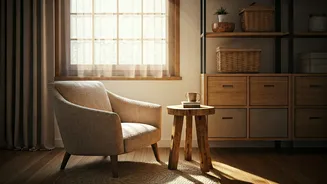
Perhaps the most telling sign of our craving for peace is the rise of intentionally tech-free zones. As our lives become more digitally saturated, we're recognizing the need for spaces dedicated to unplugging and recharging. This is the new luxury. It might be a comfortable armchair and a good reading light tucked into a quiet corner, a small nook with floor cushions for meditation, or a living room where the television is hidden away in a cabinet instead of being the central focus. The goal is to design areas that encourage non-digital activities: reading a book, listening to a record, having a face-to-face conversation, or simply doing nothing at all. It’s a conscious design choice that prioritizes mental peace over constant connectivity.