






From Biohacking to Holistic Health
For the past decade, the pursuit of longevity in America has felt like a Silicon Valley export. It’s been a world of metric tracking, N-of-1 experiments, and tech-bro-approved protocols—think intermittent fasting, wearable sensors, and supplements promising
to reverse cellular aging. The goal was clear and quantifiable: extend the human lifespan. But this data-driven approach often overlooked a crucial element: the quality of that extended life, or what experts call “healthspan.” Enter the “Desi” wellness push. Led by a new generation of South Asian American influencers, chefs, and wellness practitioners, this movement is reframing longevity. It suggests that the secret to a long, vibrant life might not be found in a lab, but in millennia-old traditions from the Indian subcontinent. It’s less about hacking the body and more about harmonizing it.
The Ancient Wisdom of Ayurveda
At the heart of this trend is Ayurveda, a system of medicine that originated in India over 3,000 years ago. Unlike the one-size-fits-all approach of many Western wellness fads, Ayurveda is deeply personal. It revolves around the concept of three primary mind-body types, or “doshas” (Vata, Pitta, and Kapha), and posits that health is achieved by keeping them in balance through diet, lifestyle, and herbs.
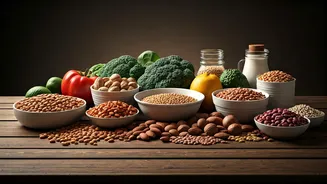
In the context of longevity, Ayurveda emphasizes strengthening “ojas” (vital essence) and maintaining “agni” (digestive fire). This translates into practical, accessible habits. Instead of obsessing over macronutrient ratios, an Ayurvedic approach might focus on eating warm, cooked foods that are easy to digest, incorporating spices like turmeric and ginger for their anti-inflammatory properties, and sipping herbal teas. It’s a gentler, more intuitive path to cellular health that prioritizes prevention and daily rhythm over drastic intervention.
Yoga and Breathwork Reclaimed
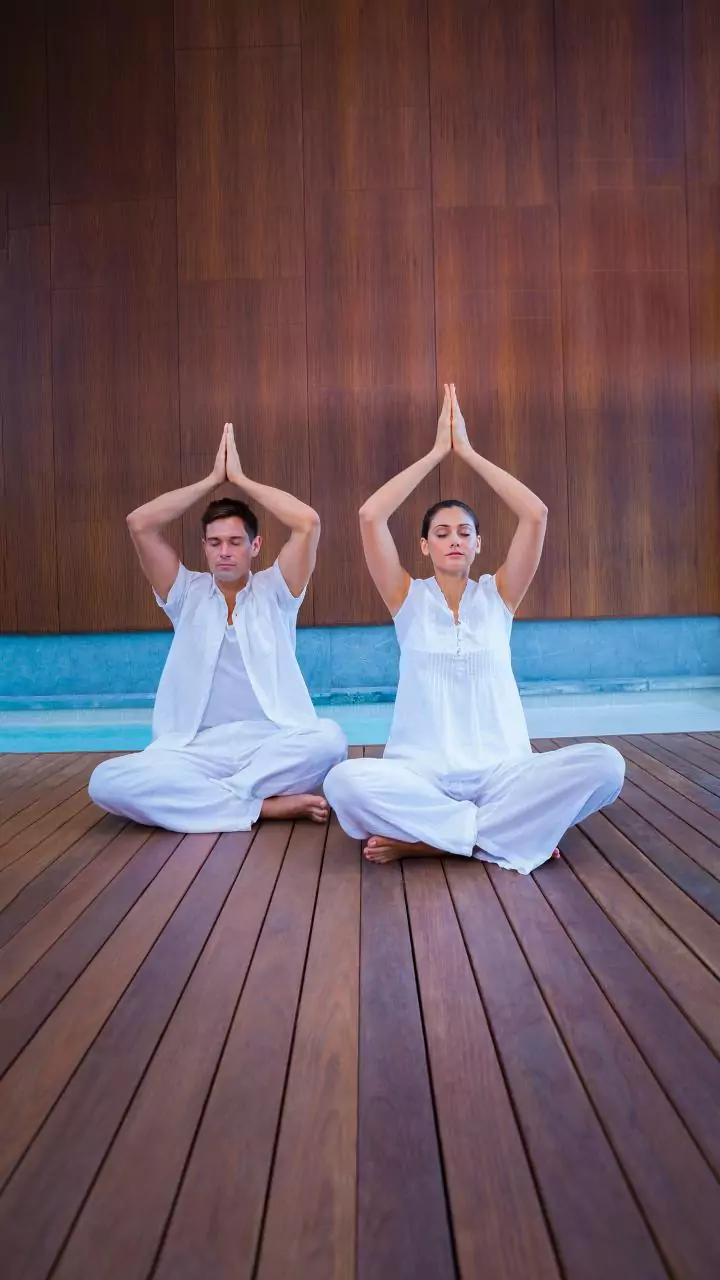
While yoga has been a staple of American fitness for decades, its connection to longevity is being rediscovered through a more authentic, Desi-influenced lens. The focus is shifting from grueling, sweat-drenched vinyasa flows to the practice’s more subtle, restorative aspects. The goal isn’t just to build muscle or burn calories, but to cultivate a calm and resilient nervous system—a cornerstone of healthy aging.
This is where pranayama, or breathwork, comes in. Practices like alternate nostril breathing (Nadi Shodhana) or bellows breath (Bhastrika) are being celebrated for their ability to reduce stress, improve cardiovascular function, and increase mental clarity. While the West is just catching on to the power of the vagus nerve, yogic texts have detailed these techniques for centuries. This push reclaims yoga not as a workout, but as a complete system for mind-body longevity.
A Modern Movement with Ancient Roots
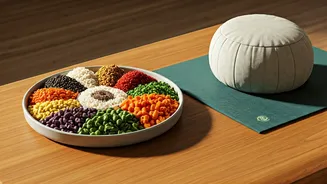
This isn't simply about importing ancient practices wholesale. The trend’s power comes from the second- and third-generation South Asian Americans who are thoughtfully translating this wisdom for a modern, global audience. Figures like author and chef Radhi Devlukia-Shetty share Ayurvedic recipes on Instagram, making concepts like “sattvic” (pure) foods feel accessible and delicious. Yoga instructors are decolonizing their practice, giving credit to its roots and emphasizing its spiritual and philosophical foundations.
These creators act as cultural bridges. They understand both the Western desire for evidence-based results and the profound depth of their ancestral knowledge. By doing so, they’re offering a powerful alternative to the often cold, clinical, and expensive world of longevity tech. They’re showing that a long, healthy life can also be a joyful, flavorful, and spiritually connected one.