








Start with Pet-Safe Greenery
Bringing the outdoors in is the first step to a 'greener' sanctuary. Plants are natural air purifiers, filtering out common household toxins and releasing oxygen. More than that, studies show that the presence of indoor plants can reduce stress and boost
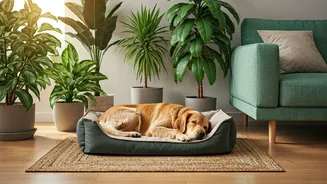
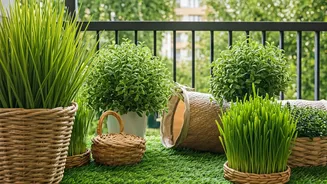
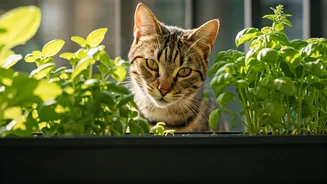
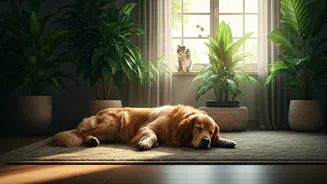
mood for humans. For our pets, however, the wrong plant can be a major hazard. Many popular houseplants like lilies, snake plants, and philodendrons are toxic to cats and dogs. Instead, build your indoor jungle with verified pet-safe options. The Spider Plant is a resilient air-purifier that's non-toxic and produces 'babies' you can propagate. Boston Ferns, Areca Palms, and the vibrant Prayer Plant are all excellent, safe choices that add lushness without the worry. Before bringing any new plant home, a quick search on the ASPCA's comprehensive plant database is a must.
Detox Your Air and Scent Profile
Indoor air can be surprisingly more polluted than outdoor air. Volatile organic compounds (VOCs) from furniture, paint, and cleaning supplies, along with dust and pet dander, create a cocktail that can impact respiratory health. While pet-safe plants help, you can do more. Make it a habit to open windows daily, even for just 10-15 minutes, to circulate fresh air. Consider investing in an air purifier with a HEPA filter, which is specifically designed to capture pet dander, pollen, and other microscopic particles. Critically, ditch the synthetic fragrances. Plug-in air fresheners, scented candles made with paraffin wax, and aerosol sprays can release chemicals that are harsh on the sensitive respiratory systems of dogs and cats. Opt for simmering pots of water with cinnamon sticks and citrus peels, or use an essential oil diffuser with pet-safe oils like lavender or chamomile, used sparingly in a well-ventilated room.
Rethink Your Cleaning Routine
The very products we use to keep our homes clean can be a primary source of indoor pollution. Bleach, ammonia, and other harsh chemicals found in conventional cleaners can cause problems for pets, who are closer to the ground, groom themselves with their tongues, and have a much more powerful sense of smell. Making the switch to greener cleaning is easier and cheaper than you think. A simple solution of one part white vinegar to one part water in a spray bottle can handle most surface cleaning. Baking soda is a fantastic scrubbing agent and odor neutralizer for carpets and pet beds. For a gentle all-purpose soap, look to castile soap. These simple swaps reduce your family's and pet's exposure to harsh chemicals, creating a space that’s not just visibly clean but truly healthier.
Choose Pet-Conscious Materials
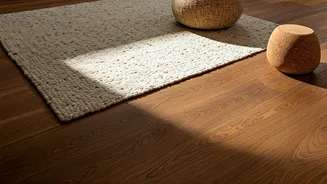
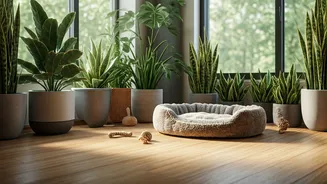
When it's time to purchase a new rug, sofa, or even a dog bed, think about the materials they're made from. Many new items 'off-gas' VOCs, which is that 'new furniture smell' we’re often familiar with. These chemicals can be irritants for both people and pets. Whenever possible, look for furniture and textiles made from natural fibers like cotton, wool, linen, or jute. For wood furniture, opt for solid wood over particleboard, which often uses formaldehyde-based glues. When choosing pet-specific products like beds and toys, seek out brands that prioritize organic cotton, natural rubber, and untreated wood. These choices not only reduce the chemical load in your home but also tend to be more durable and sustainable in the long run.
Enrich Their Natural Instincts
A 'green sanctuary' is also about mental and emotional health. Enriching your pet's environment taps into their natural instincts and combats boredom. For cats, this can be as simple as placing a comfortable perch or cat tree near a securely screened window—a 'cat TV' where they can watch birds and squirrels. For dogs, puzzle feeders that make them work for their food mimic natural foraging behaviors. Consider creating a designated digging spot in your yard (if you have one) or a 'snuffle mat' indoors. Using materials like sisal for scratching posts, providing chew toys made from natural wood, or building a safe, enclosed 'catio' are all ways to create a more stimulating, naturalistic, and ultimately healthier environment for your animal companions.