






From Frugal Filler to Culinary Star
Let’s be honest: for many Americans, legumes were long associated with budget meals, chili cook-offs, and survivalist pantries. A can of beans was reliable and cheap, but rarely exciting. Lentil soup was what you ate when you were being sensible, not
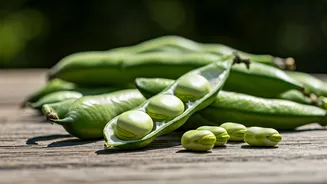
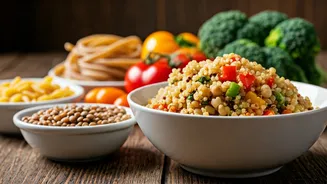
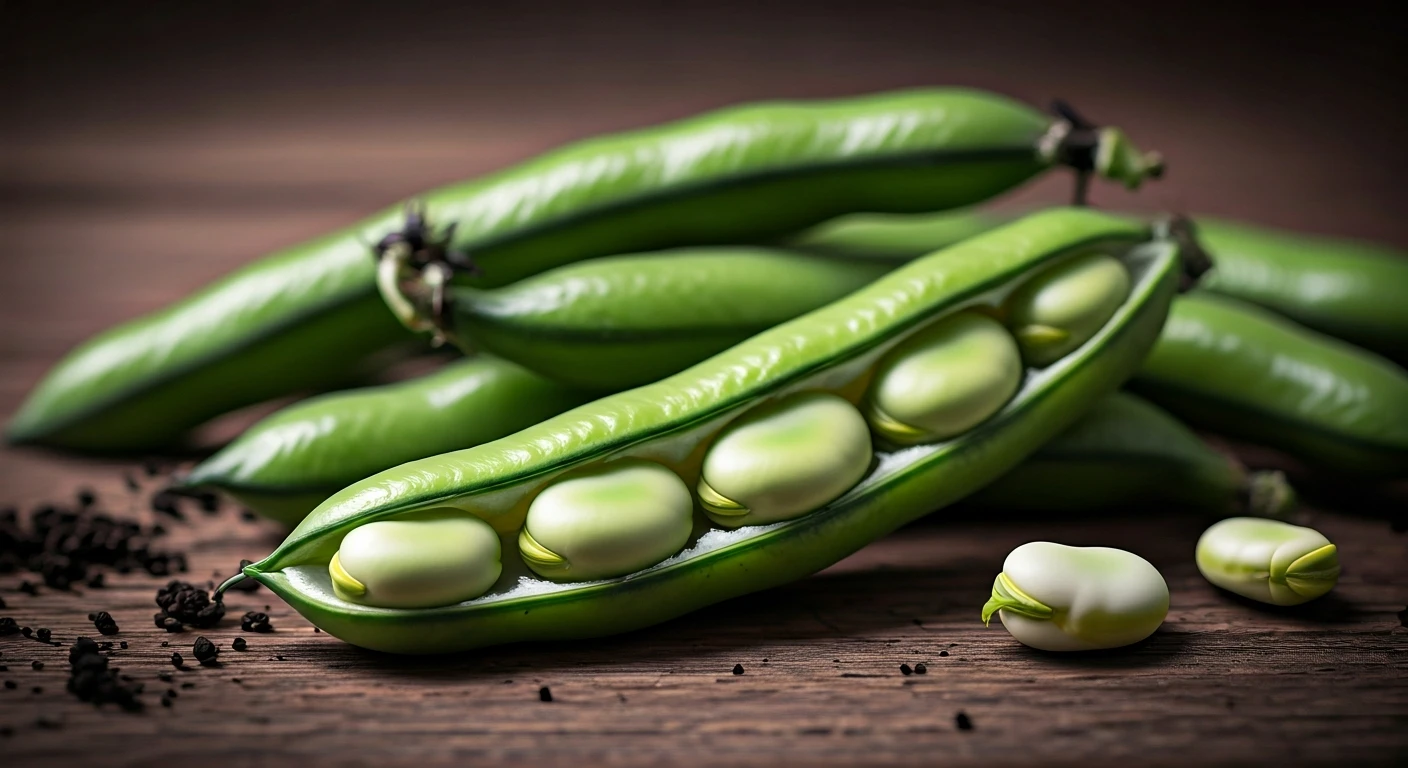
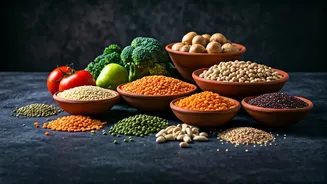
celebratory. But a major cultural and culinary shift is underway. Chefs at high-end restaurants are now centering dishes around heirloom beans. Supermarket aisles are bursting with innovative products like chickpea pasta, lentil-based snacks, and black bean burgers that actually taste good. The perception of legumes has transformed from a food of necessity to a food of choice, celebrated for its versatility, flavor, and impressive nutritional profile. This isn't just about a single dietary trend; it's a convergence of several powerful forces reshaping how we eat.
The Plant-Based Protein Powerhouse
Perhaps the single biggest driver of the legume glow-up is the explosion of plant-based eating. As more people look to reduce their meat consumption for health, ethical, or environmental reasons, they need reliable sources of protein. And legumes are perfectly positioned to fill that gap. A single cup of cooked lentils packs about 18 grams of protein, while a cup of chickpeas offers around 15 grams—comparable to some animal sources but with zero cholesterol and a fraction of the saturated fat. Unlike many processed meat alternatives, legumes are a whole-food solution. They don’t require complex manufacturing or a long list of unfamiliar ingredients. This makes them a go-to for both seasoned vegans and the growing number of “flexitarians” simply looking to eat a little healthier.
An Inflation-Proof Superfood
While food trends often lean toward expensive, niche ingredients, the legume's rise is also deeply practical. With grocery bills soaring, consumers are desperately seeking nutritious foods that won’t break the bank. A pound of dry beans or lentils costs a few dollars and can provide the foundation for multiple family meals. This incredible value proposition has become a major selling point. In an era of economic uncertainty, legumes offer a rare win-win: they are both one of the healthiest and one of the most affordable food categories in the entire grocery store. This budget-friendly appeal gives the trend staying power far beyond the fleeting hype that often surrounds other “it” foods.
Gut Health's Best Friend
Wellness conversations today are dominated by talk of the gut microbiome, and for good reason. A healthy gut is linked to everything from a strong immune system to improved mood. The key to feeding those beneficial gut bacteria? Fiber. And legumes are fiber superstars. Most Americans fall woefully short of the recommended daily fiber intake, but adding a serving of beans or lentils can make a huge difference. A cup of black beans, for example, contains a whopping 15 grams of dietary fiber—more than half the daily recommendation for many adults. This fiber not only promotes digestive regularity but also acts as a prebiotic, providing essential fuel for the trillions of microbes that call your digestive tract home.
The Sustainability Factor
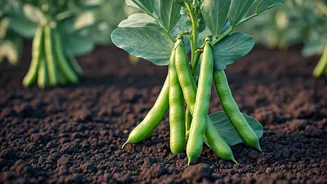
For a growing number of consumers, what’s good for the planet is as important as what’s good for their body. Here, too, legumes shine. They are among the most sustainable crops on Earth. Many varieties are drought-tolerant and have low water footprints compared to other protein sources. More importantly, legumes are “nitrogen-fixing” plants. They have a unique symbiotic relationship with soil bacteria that allows them to pull nitrogen from the air and convert it into a natural fertilizer. This enriches the soil for future crops, reducing the need for synthetic fertilizers that can pollute waterways and contribute to greenhouse gas emissions. Eating more legumes isn't just a personal health choice; it’s a vote for a more resilient and sustainable food system.