



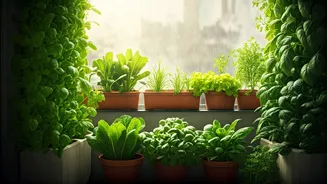
Start Small, Win Big
The number one mistake new gardeners make is trying to do too much, too soon. A sprawling vegetable patch looks romantic on Instagram, but it can quickly become an unmanageable jungle of weeds and pests. The “no-nonsense” approach is to start small and guarantee
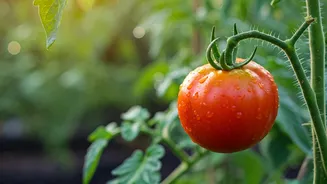
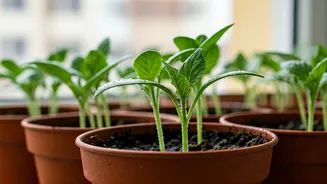
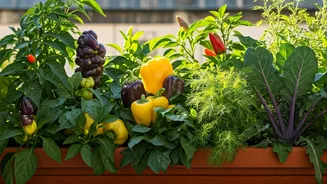
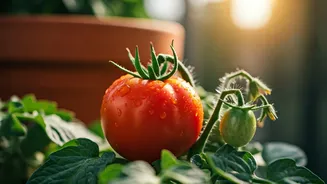
a victory. Think one or two large containers on a patio or a tiny 4x4-foot raised bed. Your goal for year one is not to feed the neighborhood; it’s to successfully grow something—anything—from start to finish. A single, thriving tomato plant that you grew yourself is a bigger win than a 20-foot plot that gets abandoned by July. A small, manageable space allows you to focus on learning the fundamentals without being overwhelmed by the workload.
Location Is Everything
Before you buy a single seed or plant, you must become a sun detective. Most of the plants beginners want to grow—like tomatoes, peppers, zucchini, and most flowers like zinnias and marigolds—are sun hogs. They require what’s called “full sun,” which means a bare minimum of six to eight hours of direct, unobstructed sunlight per day. Don't guess. Spend a day observing the spot you have in mind. Where is the sun at 9 a.m.? Noon? 4 p.m.? Is it blocked by a tree or the house in the afternoon? A spot that seems sunny in the morning might be in deep shade for the rest of the day. Choosing a location with inadequate light is the fastest way to ensure failure. If you only have a shady spot, don’t despair; just adjust your plan to shade-tolerant plants like lettuce, kale, or hostas.
The Dirt on Great Soil
You can’t just dig a hole in your lawn and expect great results. The compacted, often clay-heavy dirt in most backyards is not a welcoming home for tender new roots. Soil is the foundation of your garden, and it’s not the place to cut corners. For container gardening, always buy a quality potting mix. It's specifically formulated to provide drainage, aeration, and nutrients. For a raised bed or in-ground plot, you’ll need to improve the native soil. The simplest way is to buy bags of compost and mix them generously into the top 6-8 inches of your garden bed. Compost improves soil structure, adds vital nutrients, and helps retain moisture. Think of it this way: you’re not just planting a seed, you’re building a home for it. Good soil is the ultimate welcome mat.
Watering Without the Worry
New gardeners tend to kill plants with kindness, most often by overwatering. A light sprinkle every day does more harm than good, as it encourages shallow roots and can promote fungal diseases. The golden rule is to water deeply and infrequently. Instead of a quick daily spray, give your plants a long, slow soak every few days. This encourages roots to grow deeper into the soil in search of moisture, making them more resilient during dry spells. How do you know when to water? Don’t look at the plant; look at the soil. Stick your finger about two inches deep. If it feels dry at that depth, it’s time to water. If it’s still moist, wait another day. This simple test is far more reliable than any rigid schedule.
Choose Your Fighters Wisely
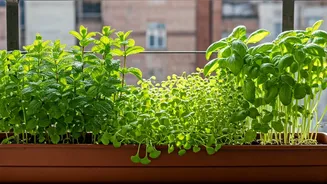
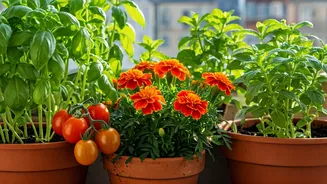
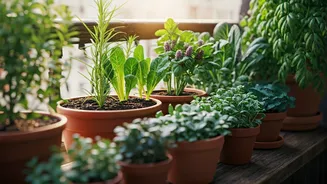
Finally, set yourself up for success by choosing plants that are famously easy to grow. Trying to grow a finicky heirloom from a far-off climate is a recipe for frustration. Instead, pick the battle-tested champions of the beginner garden. For vegetables, this means things like bush beans, radishes, lettuce, and zucchini (just be warned, one plant is often enough!). For herbs, mint (keep it in a pot, as it spreads aggressively), basil, and chives are nearly foolproof. For flowers, you can’t go wrong with sun-loving annuals like zinnias, marigolds, and cosmos. These plants are vigorous, relatively pest-resistant, and provide a quick, satisfying reward, building the confidence you need to expand your garden next year.