

Welcome to the 'Scotland of India'
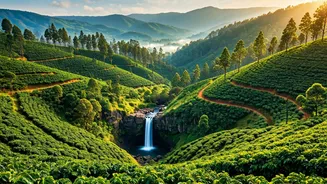
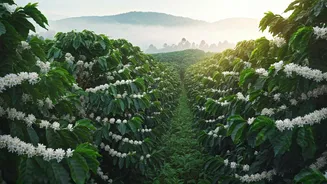
Forget the chaotic energy you might associate with India’s megacities. Tucked away in the Western Ghats mountain range of southern India, Coorg—officially known as Kodagu—is a rolling, mist-covered landscape that earned it the nickname “the Scotland of India.”
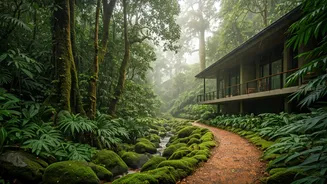
Imagine lush green hills stretching to the horizon, air thick with the scent of damp earth and spice, and a quiet that’s broken only by the chirping of birds. This isn’t a destination built on bucket-list-ticking. It’s a place that invites you to simply be, breathe, and slow down. The drama of a packed itinerary is replaced by the simple pleasure of watching clouds drift across emerald valleys.
A World Steeped in Coffee
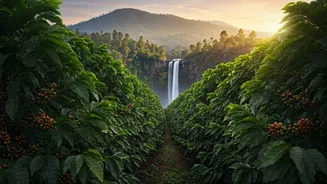
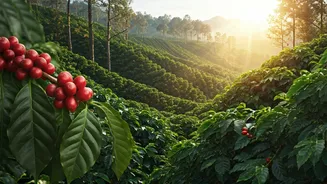
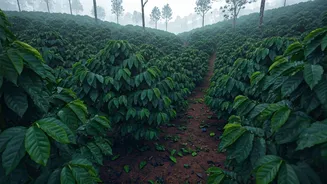
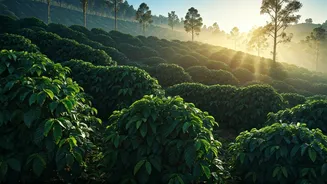
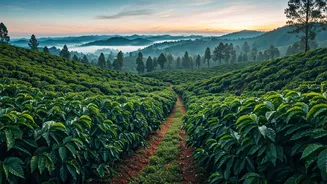
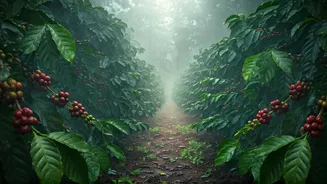
Coorg’s identity is inseparable from its coffee. This region is the heart of India's coffee production, and the plantations are not just a backdrop; they are the main event. Instead of sprawling, anonymous resorts, the best way to experience Coorg is by staying in a plantation homestay. These are often century-old bungalows, run by generations of coffee growers, where hospitality is personal and warm. Your day might start with a cup of freshly brewed coffee made from beans grown a few feet from your door. You can spend your afternoon walking through the shaded trails of the estate, learning to distinguish between Arabica and Robusta plants, and understanding the journey from bean to cup. It’s an immersive, sensory experience that’s the antithesis of a rushed tourist trap.
Nature’s Quiet Spectacles
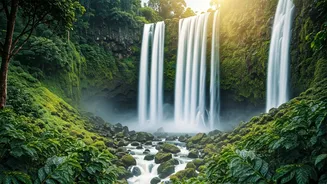
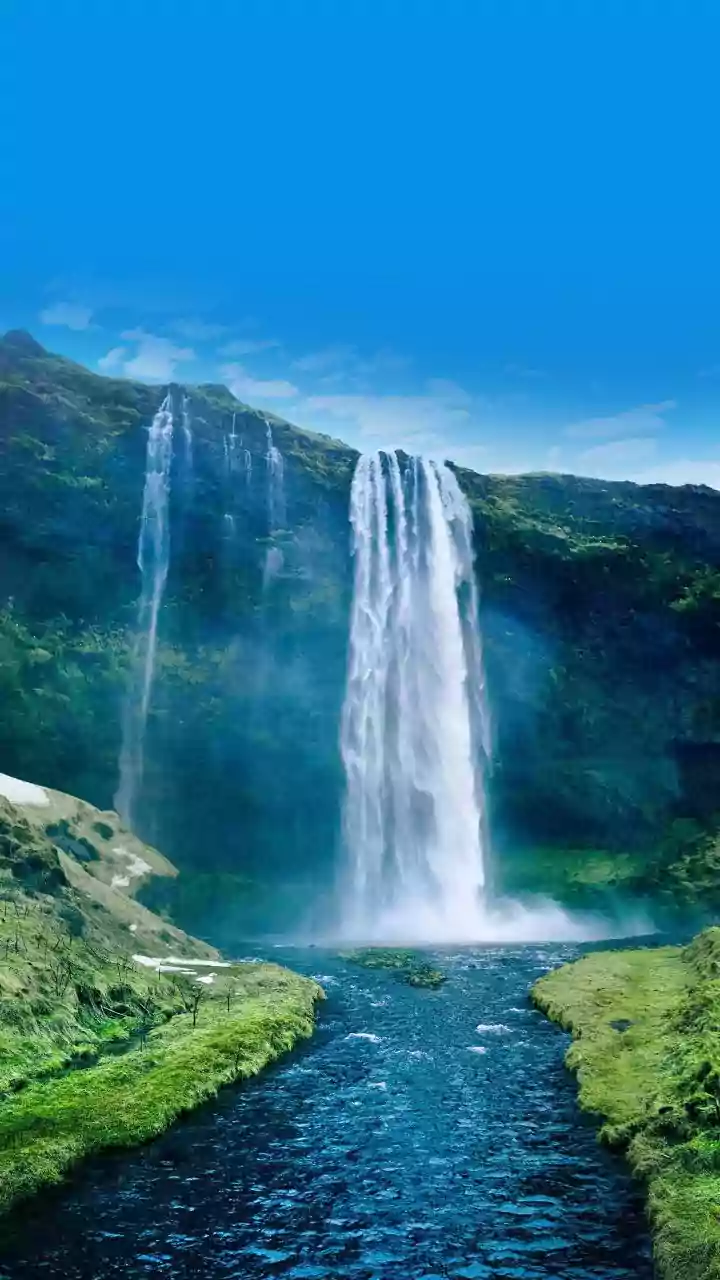
The activities in Coorg are defined by their gentle, natural pace. You won’t find theme parks or flashy nightlife here. Instead, you’ll find Abbey Falls, a stunning cascade of water tumbling over rocks, best viewed after the monsoon season when it’s at its most powerful. There's the Dubare Elephant Camp, a sanctuary where you can observe rescued elephants being bathed and fed by their handlers—a far more ethical and peaceful encounter than a typical tourist ride. For a panoramic view, a trek up to Raja’s Seat, a garden that was once a favorite spot for the kings of Kodagu, offers breathtaking sunsets. These aren't adrenaline-pumping excursions; they are invitations to pause and appreciate the world around you.
The Kodava Culture and Cuisine
Part of the no-drama appeal is the authentic cultural immersion. Coorg is home to the Kodava people, a distinct community with a proud martial history and unique traditions. This is reflected in their incredible cuisine, which is a world away from the standard Indian restaurant fare you might be used to. The food is hearty, flavorful, and often features locally sourced ingredients. Think rich, spicy pork curry (pandi curry), steamed rice dumplings (kadambuttu), and dishes flavored with wild-foraged mushrooms and Kachampuli, a dark, tart vinegar made from the Garcinia gummi-gutta fruit. Enjoying a home-cooked Kodava meal is a core part of the Coorg experience, offering a delicious, low-key way to connect with the place.
Pacing Your Perfect Escape
The best time to visit Coorg is from September to June, avoiding the heavy monsoon rains of July and August. The post-monsoon months leave the landscape incredibly green and vibrant. Packing is simple: think layers, comfortable walking shoes, and a light rain jacket for the occasional misty drizzle. But the most important thing to pack is the right mindset. Coorg rewards travelers who are willing to unplug. The Wi-Fi can be spotty, and that’s a feature, not a bug. It’s a chance to trade screen time for scenic views, notifications for birdsong, and a frantic pace for a peaceful wander.