




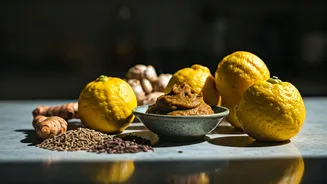


The Umami Powerhouse: What is Miso?
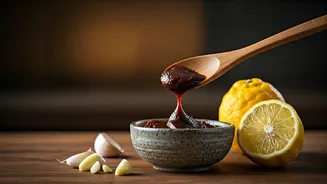
At its core, miso is a deceptively simple paste made from fermented soybeans, salt, and a mold culture called koji. But that simple description belies its profound complexity. For centuries, it has been a cornerstone of Japanese cuisine, providing the
savory, deeply satisfying flavor known as umami. Think of it not just as an ingredient, but as a fundamental building block of taste, much like salt or butter in Western cooking. There isn’t just one kind of miso. You’ll typically find three main varieties in U.S. stores. White miso (shiro miso) is fermented for a shorter time, making it sweet, mellow, and perfect for beginners. It dissolves beautifully into dressings and light sauces. Yellow miso (shinsu miso) is a bit funkier and saltier, an all-purpose player. Red miso (aka miso) is the boldest of the bunch, fermented for months or even years, developing a pungent, earthy richness ideal for hearty braises and marinades. Its deep flavor can easily overpower delicate dishes, but it provides an unparalleled depth to roasted meats and root vegetables.
Beyond the Soup Bowl
For many Americans, miso’s only role is in the cloudy soup served before a sushi dinner. But limiting miso to soup is like only using ketchup for french fries. Its true magic lies in its versatility. The salty, savory paste is a secret weapon for adding instant complexity to countless dishes. Whisk a spoonful of white miso into butter and slather it on corn on the cob or roasted chicken for a transformative effect. Blend it into a classic vinaigrette to give your salad a nutty, savory backbone that store-bought dressing can’t match. It can even go sweet; a touch of miso adds a salty, caramel-like note to chocolate chip cookies or brownie batter, balancing the sugar and making the chocolate taste richer. For a simple weeknight dinner, try marinating salmon or chicken thighs in a mix of miso, mirin, and ginger before broiling. The paste creates a beautiful, caramelized glaze while keeping the protein moist.
The Sunshine Citrus: Meet Yuzu
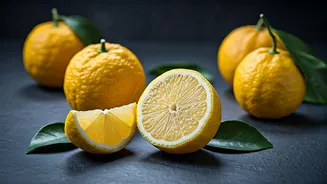
If miso provides the earthy depth, yuzu brings the brilliant, aromatic high notes. Native to East Asia, yuzu is a citrus fruit that looks like a small, bumpy grapefruit. Its flavor is entirely unique—a vibrant, floral explosion that tastes like a mashup of tart grapefruit, fragrant mandarin orange, and a hint of lemon. It’s less about sharp acidity and more about an intoxicating floral aroma.
Fresh yuzu fruit is extremely rare and expensive in the United States due to import restrictions. However, its power is readily available in other forms. Bottled yuzu juice is the most common, offering a concentrated burst of that signature flavor. You might also find yuzu kosho, a fiery, fragrant paste made from yuzu zest, chili peppers, and salt. It’s an incredible condiment that can be dabbed on grilled meats, whisked into noodle broths, or mixed with mayonnaise for a zesty dip.
Easy Ways to Use Yuzu at Home
Introducing yuzu into your kitchen is remarkably easy. A little goes a long way. Start by adding a splash of yuzu juice to sparkling water or a gin and tonic for an instant, sophisticated upgrade. It makes an incredible vinaigrette when combined with olive oil, a touch of honey, and salt. Drizzle it over seared scallops, grilled asparagus, or a simple piece of broiled fish to add a bright, clean finish that cuts through richness.
In desserts, yuzu’s floral notes shine. Use the juice to make a simple syrup for cocktails or to pour over a pound cake. It can be used to make a stunning curd for tarts or as a flavor base for sorbet. Just a few drops can elevate a simple dish from mundane to memorable, giving it a professional, chef-inspired touch without any complex techniques.
Why These Flavors Are Everywhere Now
The rise of miso and yuzu isn’t a random fluke. It’s part of a larger trend where American home cooks are becoming more adventurous, seeking out authentic, complex flavors that are easy to use. Thanks to a more globalized food media, wider availability in mainstream supermarkets like Trader Joe's and Whole Foods, and the influence of chefs who have championed these ingredients for years, what was once a specialty item is now a pantry-friendly tool.
These ingredients offer a shortcut to depth. A single spoonful of miso or a splash of yuzu can add a layer of flavor that would otherwise take hours of simmering or complex sauce-making to achieve. They allow us to travel with our taste buds, bringing a touch of Tokyo’s elegance or a Kyoto garden’s fragrance right into our own kitchens.