


Beyond the Mint on the Pillow
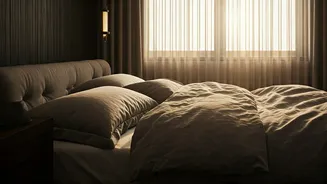
For decades, a hotel’s commitment to a good night’s rest started with a comfortable mattress and ended with a set of decent blackout curtains. Luxury might have meant a higher thread count or a chocolate on your pillow. But a fundamental shift is underway.
Spurred by a burnt-out populace and the booming $1.5 trillion global wellness industry, hotels are rebranding themselves as high-tech sanctuaries for the sleep-deprived. They’re moving beyond simple comfort and into the realm of “sleep hygiene,” a clinical-sounding term for the habits and environment conducive to restful slumber. It’s no longer enough to offer a quiet room; the goal is now to actively improve your sleep, using a combination of technology, science, and curated experiences.
The New Arsenal of Slumber
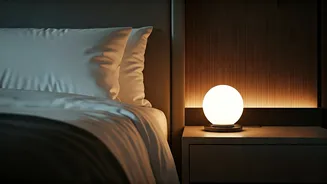
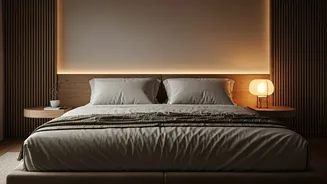
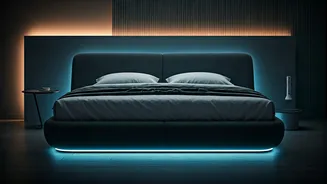
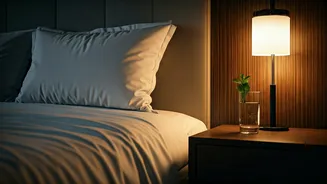
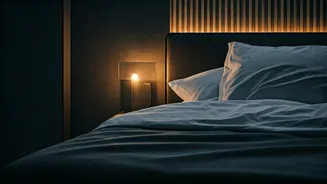
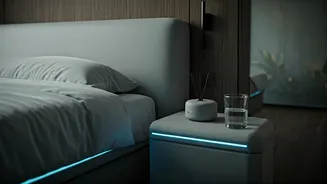
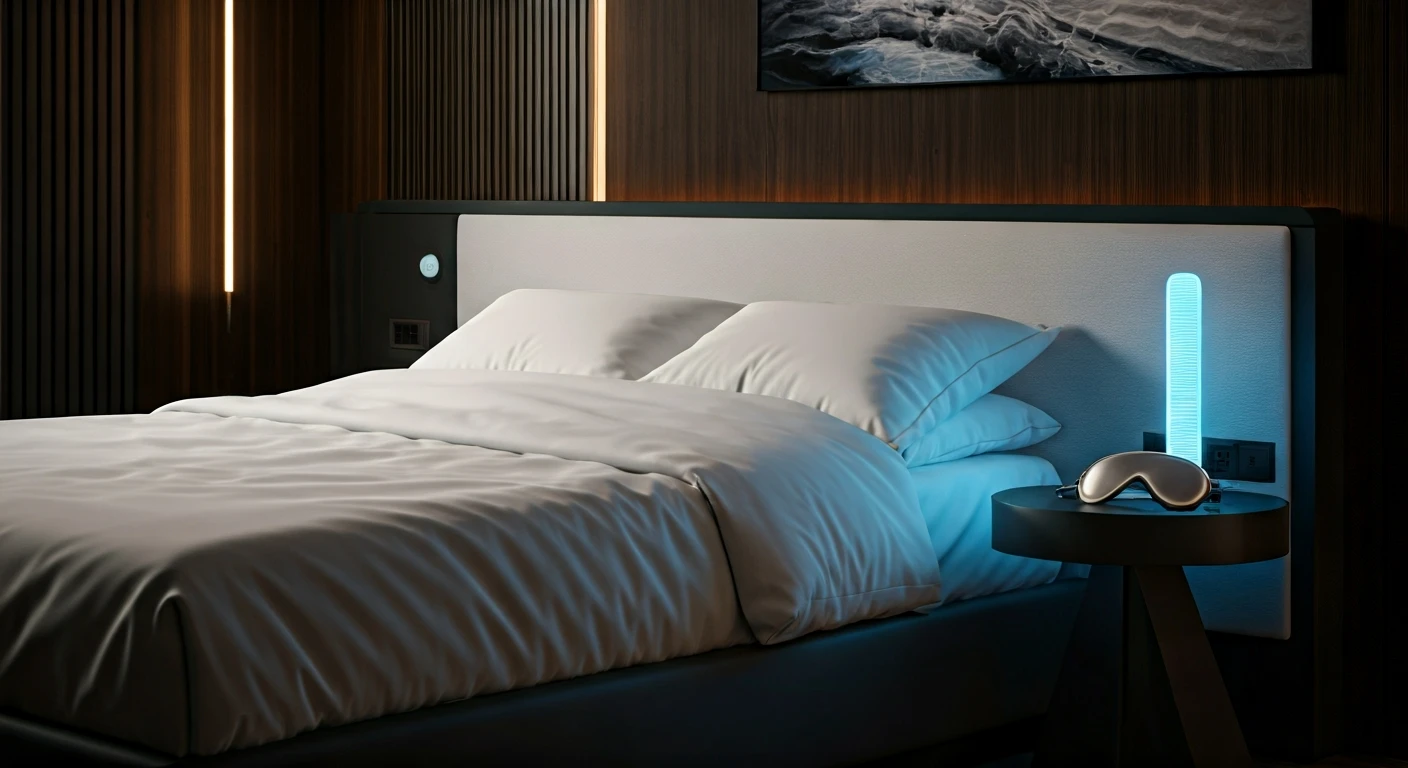
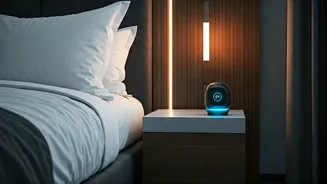
So, what does this arms race for your rest actually look like? It’s a fascinating, and sometimes futuristic, list of amenities. Forget a simple pillow menu; elite hotels now offer consultations with a “sleep concierge” who helps you choose from pillows designed for side, back, or stomach sleepers. Rooms are being outfitted with dynamic circadian lighting that mimics the natural progression of sunlight to regulate your internal clock. Brands like Park Hyatt have partnered with companies like Bryte to install AI-powered beds that sense your movements and micro-adjust firmness and temperature throughout the night. At properties like the Four Seasons, you might find guided meditation apps pre-loaded on in-room tablets, curated playlists of ambient sounds, and even aromatherapy diffusers with calming lavender or chamomile scents. Some chains are going even further. Rosewood Hotels & Resorts, for instance, launched multi-day “Alchemy of Sleep” retreats designed to be a total immersion in restorative practices, blending expert consultations with mindfulness workshops and spa treatments. It’s a comprehensive approach that treats sleep not as a passive activity, but as an experience to be optimized.
Why Now? The Burnout Economy
This trend isn’t happening in a vacuum. It’s a direct response to a cultural crisis of exhaustion. The CDC calls insufficient sleep a “public health epidemic,” with more than a third of American adults not getting the recommended seven hours per night. The pandemic only exacerbated the problem, blurring the lines between work and home and ratcheting up stress levels. We are, collectively, fried. For the hotel industry, this presents a massive business opportunity. After being devastated by travel shutdowns, hotels are looking for new ways to differentiate themselves and command premium prices. “Wellness travel” is one of the fastest-growing sectors, and sleep is its crown jewel. By offering tangible solutions to a problem that plagues their target demographic—stressed professionals and weary parents—hotels can frame a stay as a justifiable investment in health, not just an expense for a trip. They are selling a return on investment: you’ll leave not just relaxed, but measurably more rested and productive.
Sanctuary or Sales Pitch?
Naturally, a healthy dose of skepticism is warranted. Can a two-night hotel stay truly “fix” a broken sleep cycle that’s been years in the making? Most sleep scientists would say no. Chronic insomnia and other sleep disorders often have deep-seated physiological or psychological roots that require sustained intervention, not a weekend with a smart bed. A fancy pillow won’t solve the stress of a demanding job or the habit of scrolling through your phone until 1 a.m. These hotel programs are best viewed as a luxurious reset button, not a magic cure. They create an ideal, frictionless environment that can demonstrate the *feeling* of good sleep hygiene. The real value may not be the immediate Zs you catch, but the education you receive. Experiencing the tangible effects of a pitch-black room, a cool temperature, and a wind-down routine can inspire you to adopt some of those practices back home. The hotel can’t solve your problem, but it can show you what a solution feels like.