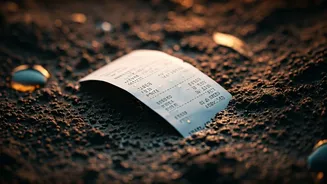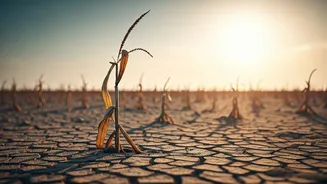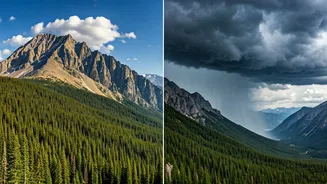





The Drought-to-Dollar Connection
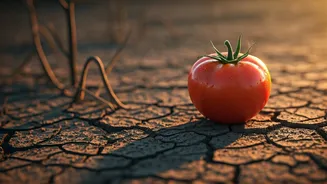
It starts simply: crops need water. When rainfall is below average in major agricultural zones like California’s Central Valley or the Midwestern Corn Belt, farmers face a tough choice. They can either watch their yields shrink or spend significantly
more money on irrigation, pulling water from rivers, reservoirs, or underground aquifers. Both outcomes create upward price pressure. A smaller harvest means less supply of a given crop—be it lettuce, wheat, or almonds. At the same time, higher operational costs for farmers (for water, energy to pump it, etc.) eventually get passed down the line. It's the foundational principle of supply and demand playing out in a sun-baked field. That farm-level problem is the first domino to fall in a long chain that ends at the cash register.
From the Field to Your Fridge
A price increase on the farm doesn't magically appear on a grocery store sticker overnight. It travels through a complex and time-consuming supply chain. First, the processors and wholesalers who buy raw crops from farmers pay more due to the reduced supply or the farmer's higher costs. They then incorporate that price hike into the cost of the goods they sell to food manufacturers and distributors. A CPG (Consumer Packaged Goods) company making, say, tomato sauce or breakfast cereal will adjust its pricing to distributors to maintain its own profit margins. Those distributors, in turn, sell the finished products to grocery chains at the new, higher wholesale price. Finally, the supermarket adjusts the shelf price you see to reflect what it paid. At each step, the initial price bump from the farm gets passed along and often slightly magnified.
Which Aisles Feel the Pinch First?
Not all groceries are equally vulnerable. The most immediate impact is often felt in the produce aisle. Items with a short shelf life that are heavily dependent on water in specific regions—like California-grown lettuce, berries, and broccoli—can see price fluctuations more quickly. Next are staples derived from major field crops. A weak wheat harvest in Kansas and Oklahoma due to drought can eventually mean paying more for bread, pasta, and flour. Similarly, a dry year for corn in Iowa and Nebraska can affect the price of everything from cornflakes and corn syrup to animal feed, which in turn raises the price of meat and dairy. Specialty crops like almonds and pistachios, which are overwhelmingly grown in drought-prone California, are also highly sensitive to rainfall patterns.
The Lag Effect: Why 'Later' Matters
The headline's use of "later" is key. The journey from a dry field to a higher grocery bill can take months. Several factors create this buffer. Many large food manufacturers and retailers buy commodities on futures contracts, locking in prices months in advance. This means they might still be processing and selling products made with cheaper, pre-drought ingredients. There's also existing inventory—products already sitting in warehouses and distribution centers across the country. It takes time for this older, less expensive stock to be sold and replaced by the newly-pricier goods. This lag is why you might read about a severe drought in the spring but not feel its full effect on your kitchen budget until fall or even the following winter.
It’s More Than Just Rain
While a lack of rain is a powerful driver of food costs, it's rarely the only factor. The final price you pay is a cocktail of variables. The cost of diesel fuel affects transportation prices for every product. Labor shortages can increase harvesting and processing costs. Global events, like a war affecting wheat exports from another part of the world, can reshape demand for U.S. crops. And general inflation touches every part of the supply chain. A drought acts as a significant amplifier on these existing pressures. So while weak rains might be the trigger, they are interacting with a dozen other economic forces that all converge on the price tag of your favorite foods.