




The Burnout from Miracle Cures
For years, the wellness marketplace felt like a digital carnival. Influencers hawked detox teas, gurus sold expensive weekend retreats promising spiritual awakenings, and countless products offered to biohack your way to perfection in 30 days or less.
The underlying promise was always speed and drama: a complete transformation delivered through a simple, albeit often grueling, purchase. This model thrived on a cycle of hope and disappointment. We’d buy the fix, endure the regimen, and maybe see a fleeting result. But because it wasn't sustainable, we’d inevitably revert to our old ways, feeling like failures and ready for the next shiny promise. This created a generation of wellness consumers who are exhausted, skeptical, and a little bit poorer. The constant pressure to transform, rather than simply improve, has led to a collective burnout with the very idea of 'wellness' itself.
Enter the Slow-and-Steady Revolution
The pendulum is swinging back. In place of radical overhauls, a new philosophy is taking root: wellness as a practice of small, incremental adjustments. This isn’t about a ‘new you’ by next month; it’s about a ‘slightly better you’ by tomorrow, repeated over and over. The new heroes of wellness aren't miracle powders, but evidence-based concepts from behavioral science. Think 'habit stacking,' a term popularized by James Clear in his book *Atomic Habits*, where you attach a new desired habit to an existing one—like doing two minutes of stretching after you brush your teeth. It’s about lowering the barrier to entry so much that it’s almost impossible to fail. This approach swaps the fleeting dopamine hit of a dramatic change for the quiet, compounding power of consistency. The goal is no longer a perfect, photogenic outcome, but a resilient, adaptable system for living.
Why We're Craving Consistency Now
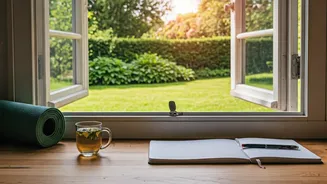
Several forces are driving this shift. First, smarter consumers. After years of being targeted by questionable marketing, many people have developed a sharp radar for wellness grifts. They’re armed with more information and are increasingly turning to credentialed experts like doctors, registered dietitians, and certified trainers over charismatic influencers. Second, the anti-diet and body-positivity movements have gained significant ground, fostering a much-needed critique of the punishing, shame-based tactics that defined old-school wellness. People are tired of feeling bad about themselves. The pandemic also played a major role. Confined to our homes, we were forced to confront our health without the help of fancy gyms or studios. We had to build routines from scratch, and many realized that simple, repeatable actions—a daily walk, a home-cooked meal, a consistent sleep schedule—have a more profound impact on well-being than any expensive class ever did.
What the New Wellness Looks Like
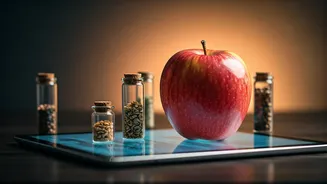
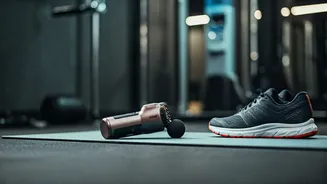
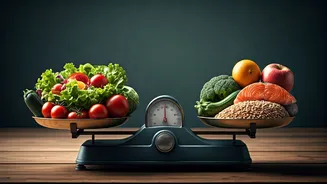
So, how does this translate into real life? Instead of a restrictive 10-day diet, it’s a commitment to adding one serving of vegetables to your lunch each day. Instead of a punishing high-intensity workout you dread, it's finding a 20-minute activity you genuinely enjoy and can stick with. The new wellness is reflected in the tools that are gaining popularity. Wearables like the Oura Ring or Whoop strap are less about counting frantic steps and more about tracking sleep quality and recovery, rewarding consistency. Apps like Noom gained traction by building their programs around psychology and daily habit-building, not just calorie counting. The new currency of wellness isn't extremity, but sustainability. It’s less about what you can do for a week and more about what you’re willing to do, happily and without friction, for the rest of your life.