






The Allure of Imperfection
The phrase ‘rainy trails’ sounds like a vacation-killer. For decades, the travel industry sold us a vision of perfect, cloudless skies and meticulously manicured landscapes. But a significant shift is underway. For a growing number of American travelers,
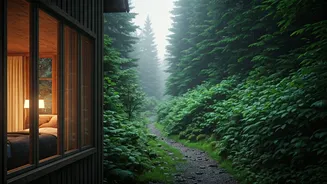
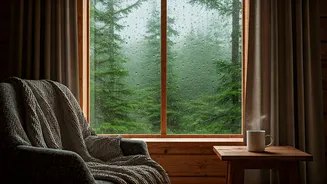
the unpredictable, unpolished reality of nature isn’t a bug—it’s the main feature. They are actively seeking out the moody, atmospheric experience of a forest shrouded in mist or the soothing sound of rain on a tin roof. This isn’t about a love for bad weather. It's about a rejection of the synthetic perfection often promised by large-scale resorts. It’s a craving for something real, something that reminds us that the world outside our curated digital feeds is messy, beautiful, and alive. The rainy trail is a symbol of this mindset: an embrace of experience over simple sightseeing.
Hotels Sell Polish, Homestays Sell a Vibe
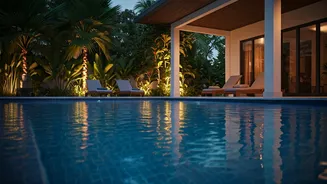
This is where the traditional hotel model starts to show its limitations. A hotel, by design, aims for consistency. A Marriott in Montana should feel comfortingly similar to a Marriott in Miami. They sell reliability, service, and a list of amenities: the pool, the gym, the continental breakfast. But they often insulate guests from the very place they’ve traveled to visit. A homestay, by contrast, sells a vibe. It offers a distinct personality and a sense of place. You’re not in a generic room; you’re in ‘the A-frame with the green door,’ ‘the cabin with the wood-burning stove,’ or ‘the cottage with the view of the creek.’ These spaces are curated not for mass appeal but for a specific kind of immersion. They come with curated bookshelves, worn-in armchairs, and kitchens stocked with local coffee. They don’t just give you a place to sleep; they offer a temporary, aspirational life.
The Rise of the Cozy Getaway
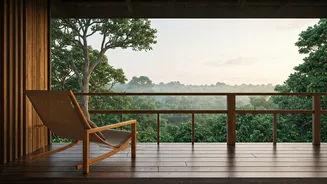
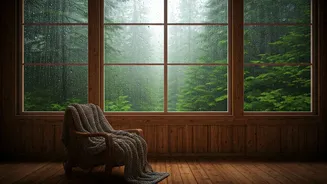
Look no further than your social media feed for evidence. The aesthetic of the 'cozy getaway' has exploded. Think of companies like Getaway, which offers minimalist tiny cabins in the woods, or the countless independent hosts on Airbnb and Vrbo whose most-booked properties are rustic A-frames and secluded cottages. The most desirable amenity is no longer a swim-up bar; it's a picture window overlooking a forest, a fire pit for s'mores, or an outdoor hot tub steaming in the cool air. The pandemic undoubtedly accelerated this trend, pushing people to seek seclusion and a connection to the outdoors. But the roots go deeper, tapping into a collective burnout and a desire for slower, more intentional living. The homestay becomes the destination itself—a sanctuary where the main activity is simply *being*.
An Experience, Not an Itinerary
Ultimately, the choice between a homestay and a hotel is becoming a choice between two different philosophies of travel. The hotel guest often arrives with an itinerary—a list of sights to see and restaurants to try. The hotel serves as a clean, efficient home base for these excursions. The homestay guest, however, is often seeking an experience. Their 'itinerary' might be as simple as 'read a book by the fire,' 'hike the trail behind the house,' and 'cook a nice meal.' The success of the trip isn't measured by how much they did, but by how they felt. It’s a shift from consumption to immersion. This is why the 'rainy trail' is such a powerful selling point. It promises a day where the best option is to stay inside, light a fire, and enjoy the shelter you've chosen, fully present in the moment and the place.